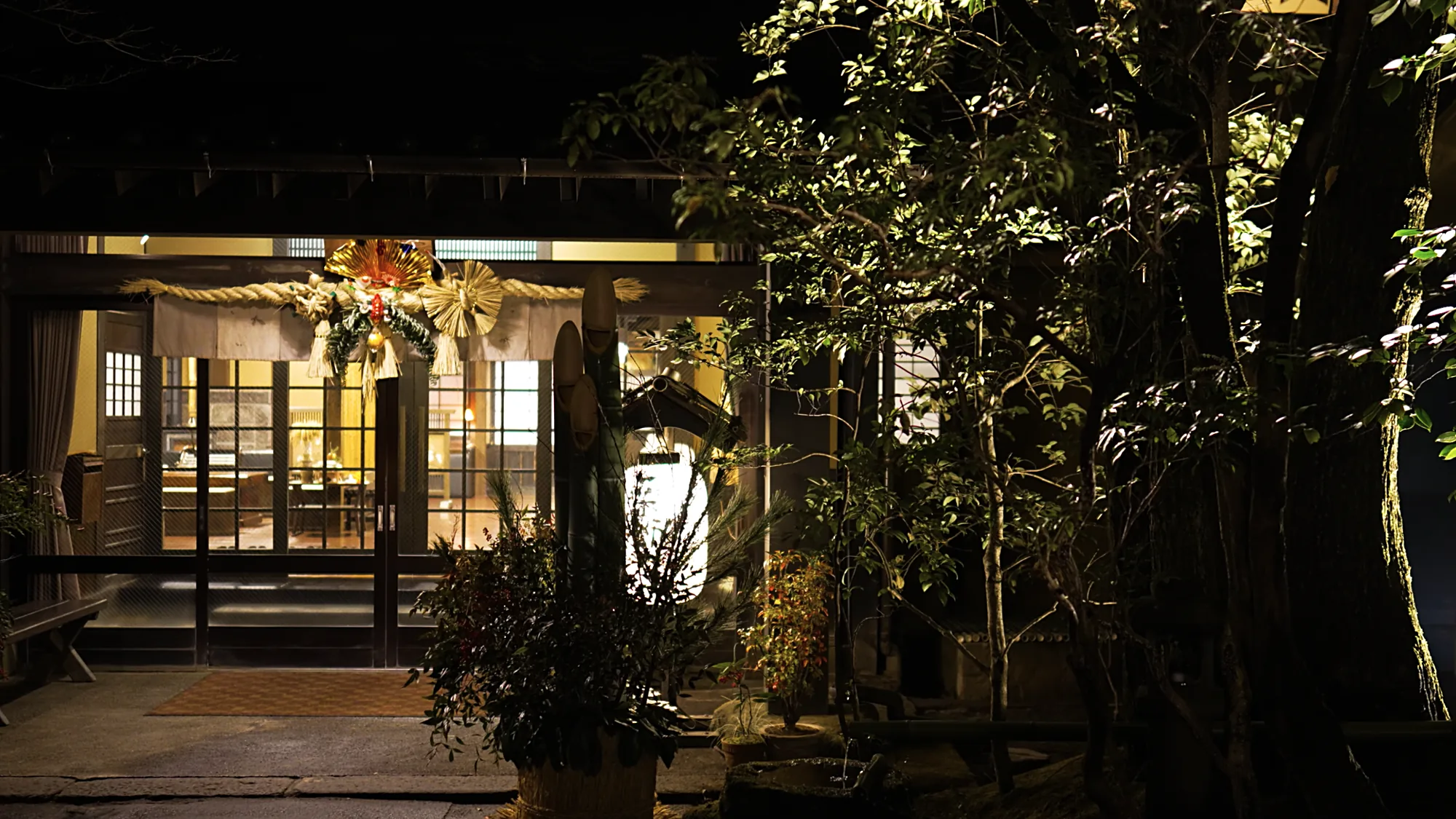
Choosing a Kurokawa inn is choosing your seat in one shared village experience; there is no bad location, only budget, bath and temperament.
How ryokan pricing actually works here
Every meaningful rate in Kurokawa is per person and includes dinner and breakfast, and the dinner is not a throw-in: kaiseki built on Aso akaushi beef, river fish and mountain vegetables is a third of the reason to come. The ryokan association publishes a per-person, two-meal price for every member inn, and those listings are the honest anchor: the field runs from ¥12,727 (about US$85) at the smallest inn, the four-room お宿玄河, to ¥122,700 (about US$818) at the most expensive, 月洸樹 — nearly a tenfold spread inside one small village.
As a rough map: roughly ¥12,700 to 20,000 at the simpler family inns, ¥20,000 to 35,000 across the strong middle, ¥35,000 to 50,000 at the celebrated houses (Yamabiko and Yamamizuki top near ¥45,000–50,000), and the secluded luxury tier climbing from there to Gekkoju's ¥122,700. verify bands at booking; rates move year to year. The same room also moves sharply by calendar: November foliage and the winter Yuakari illumination weekends are the annual peak, midweek in green season the soft floor.
Two practical notes: solo travellers pay a premium where they are accepted at all, and almost everything is cheapest booked direct or via the big Japanese platforms.
Reading the table: where the money actually goes
Lay the bands side by side and the village sorts itself into four tiers, none of which matches the way English-language rankings usually carve it.
The floor, under roughly ¥15,000 (US\$100), belongs to exactly one listing: Genka, four rooms, dead centre. Kurokawa's cheapest bed is not on the edge of town in a concrete annexe. It is thirty seconds from the Jizo shrine, which says something about how this village prices itself: you pay for the house, not the postcode.
The broad entry tier, roughly ¥16,000 to ¥20,000 (US\$107 to \$133) at the low end of each band, is wider than most visitors expect and includes names with real pedigree. Yamabiko's band starts at ¥17,000, Yamamizuki's at ¥18,000, Okunoyu's and Sanga's at ¥19,000. The trick these bands reveal: the celebrated inns are not uniformly expensive, they are widely spread. A simple room at a famous house on a quiet midweek can cost less than a fine room at a modest one on a Saturday.
The core of the village, where most inns quote most rooms, runs roughly ¥20,000 to ¥35,000 (US\$133 to \$233). Here sit Shinmeikan and its cave, Fumoto in the centre with its bath house newly renovated in August 2024, Misato and its colour-changing water, Ikoi with its thirteen baths, Fujiya's kitchen-led stay, and the high-ground pair of Konoyu and Kiyashiki.
Above that, the top of the standard field pushes toward ¥40,000 to ¥50,000 (US\$267 to \$333) at the best rooms of Yamabiko, Yamamizuki, Okunoyu, Sanga and Hozantei. And then there is a gap, a long one, before Gekkoju begins at ¥69,900. Nothing in the directory sits between ¥46,000 and ¥69,900, which tells you the village has a considered ceiling and one deliberate exception above it.
The small print, decoded
Four phrases govern every listing in the table, and decoding them prevents every common billing surprise. Per person: ryokan price humans, not rooms, so double occupancy doubles the figure and solo occupancy, where accepted, often carries a premium, which is what the directory's solo-travellers facet exists to signal. Two meals included: dinner and breakfast are in the number, and their absence from a cheap plan is a warning, not a saving, in a village with few independent dinner seats.
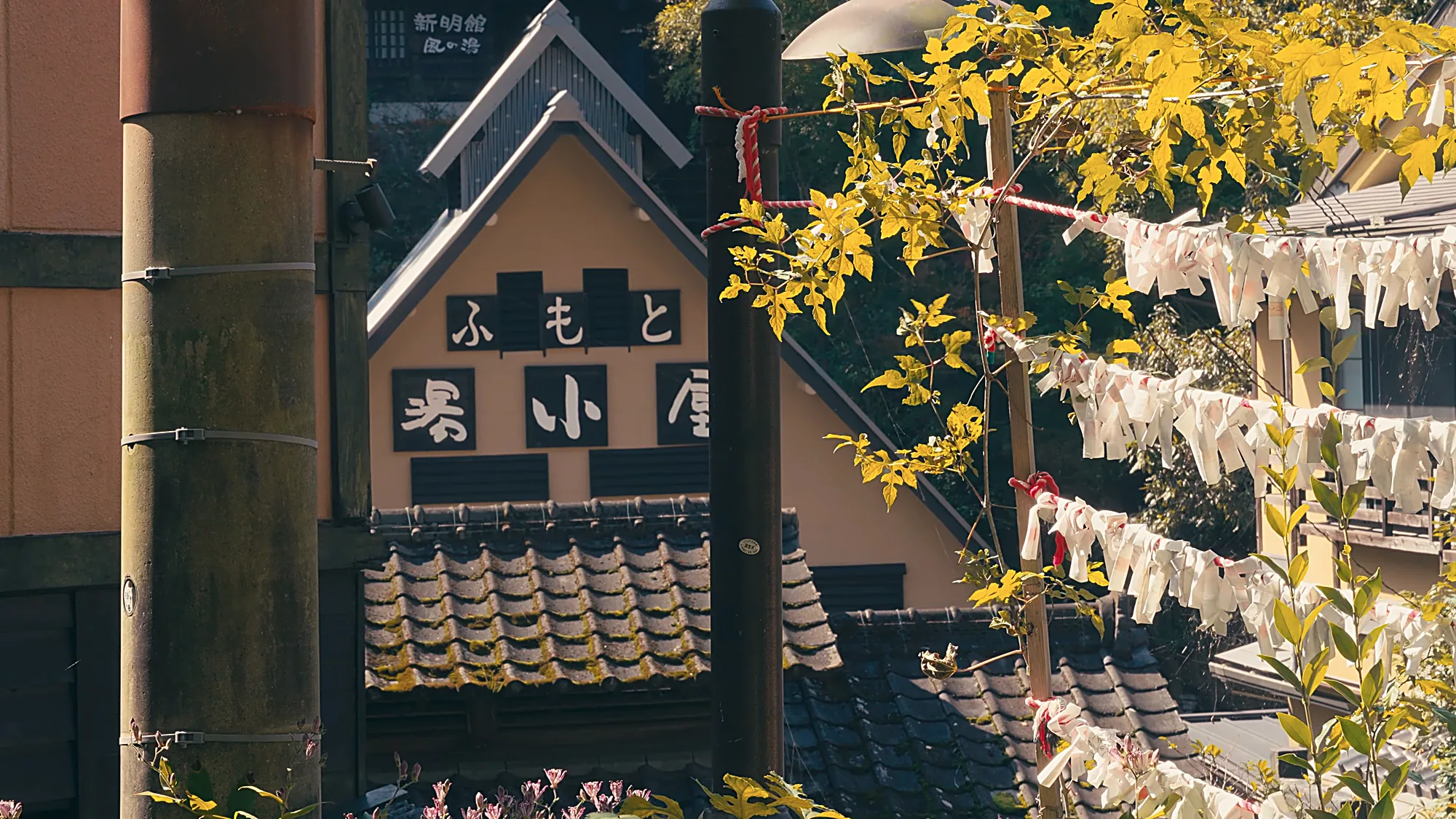
The terms that matter are rarely the ones in bold.
Tax excluded: the bands quote before consumption tax and the small onsen bathing tax Japanese spas levy, so the card slip runs above the listing arithmetic; budget the difference rather than disputing it at checkout. And indicative: the association states that real prices come from each inn's plans, which move with season, day and room, so the band is a map, not a quote, and the same room that anchors the band's floor midweek in June sits nearer its ceiling on a November Saturday.
None of this is sharp practice; it is the standard grammar of Japanese inn pricing, published more transparently here than almost anywhere, and ten minutes with it turns the directory from a list of numbers into the most honest booking engine the village could have built.
What comes with every room
First-time ryokan bookers consistently over-plan for things the room already provides, so here is the standard Kurokawa kit, common across tiers even where the listings do not itemise it. Yukata for every guest, worn to dinner, to the baths and into the lanes, with a padded outer layer in the cold months for the walk between; towels for the in-house baths; the tea set and sweets that greet arrival; and futon bedding laid out during dinner by staff who will have vanished before you return.
Dinner and breakfast run at set seatings agreed at check-in, dinner typically early by Western habits, and the evening bath schedule is built around them. What the room price does not include, and the small print above already flagged, are the taxes, the tegata itself, and day-use baths at other inns beyond your stamps.
What no listing can itemise but every tier delivers is the service grammar: shoes off at the entrance, staff who appear at the sound of a door, and an unhurried assumption that the guest's only obligations are bathing and dinner.
Pack lighter than instinct suggests, bring the coins the lanes run on, and let the inn do what the price already paid for; the village has been provisioning bathers since before it had a name on the map, and it has the kit down.
Read the association's own list: the eleven filters
The most useful planning tool for Kurokawa is not a blog ranking; it is the ryokan association's own inn list, which lets you filter all thirty members on eleven facets. Learning them turns "which inn is best" into "which inn fits," which is the only question with a real answer.
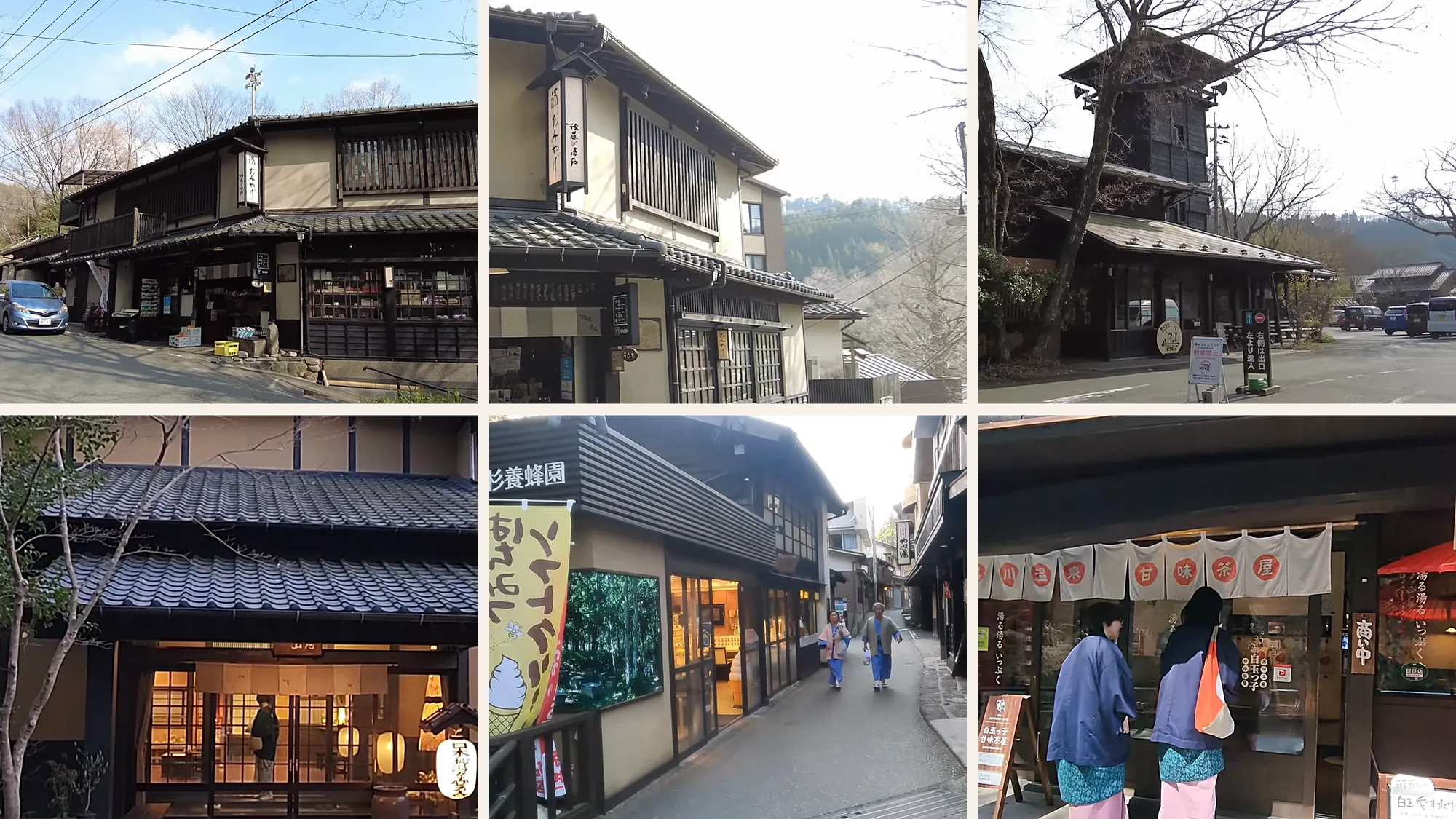
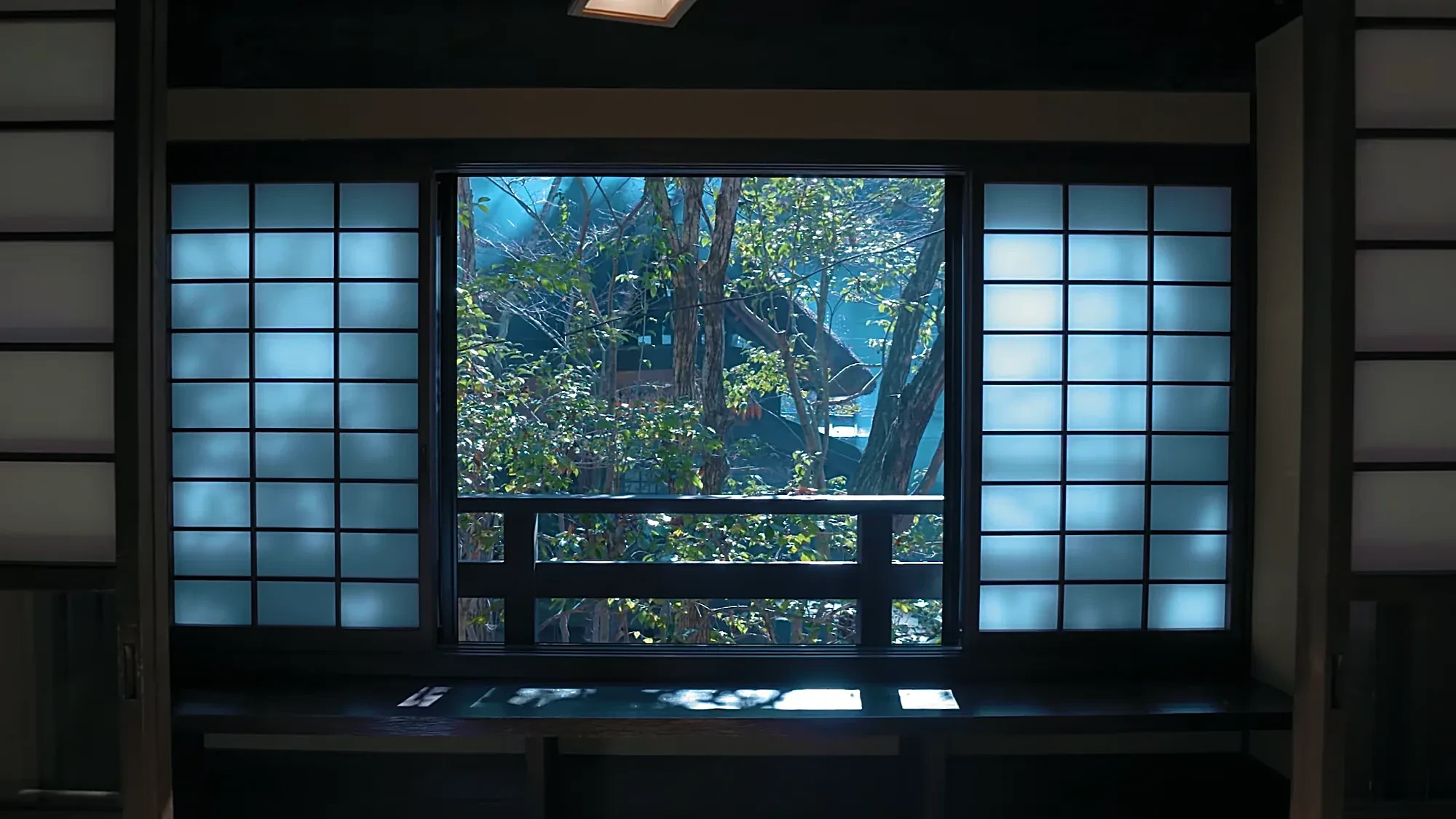
Thirty inns, one agreed vocabulary of timber, plaster and tile.
The eleven: barrier-free access; detached rooms (離れ, a freestanding room away from the main building); solo travellers accepted (not universal, and the filter that matters most if you are one); pets; groups; in-room dining (meals served in your own room rather than a hall); private bath (貸切風呂, a kashikiri you can book); rooms with a bath; open-air bath (a rotenburo on the premises); private open-air bath (an open-air bath attached to your room); and credit cards accepted.
Two of these decide most trips: solo acceptance, because a fair share of inns take couples and groups only, and private open-air bath, because that is the in-room-rotenburo category everyone wants and the first to sell out. Decide which two or three facets are non-negotiable for your party, filter the association's list to those, and your shortlist writes itself.
The whole field, inn by inn
Most guides to Kurokawa name the same five inns and stop. The association's own directory goes further: it publishes, for every member inn, an indicative per-person price for one night with two meals, tax excluded, together with a one-line self-description and a direct phone number. The table below reproduces that record for the twenty-four inns captured in our most recent reading of the directory, in ascending order of price. Treat the bands as the association presents them, as indications rather than quotes; final prices come from each inn's own plans, and peak dates run higher.
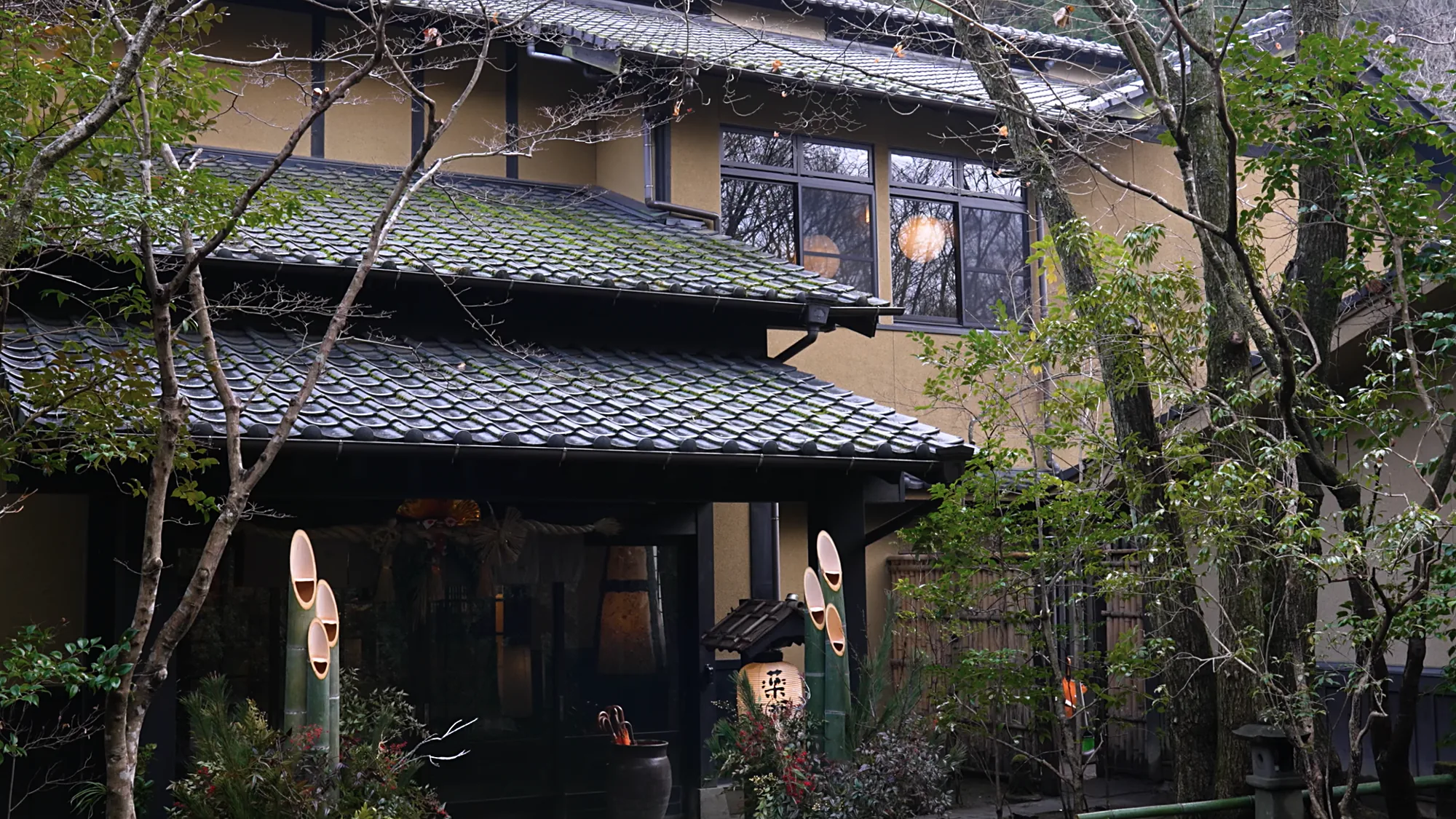
Around thirty inns, and no two of them solving the same problem.
Inn | Japanese | Per person, two meals (tax excl.) | The association's own line | Phone |
Genka | お宿 玄河 | ¥12,727–14,545 (US\$85–97) | Dead centre of the village, only four rooms | 0967-44-0651 |
Yusai Bekkan | 優彩別館 | ¥13,000–20,000 (US\$87–133) | Traditional inn, away from the bustle | 050-3646-5888 |
Kiyashiki | いやしの里 樹やしき | ¥16,000–32,000 (US\$107–213) | High ground with a view over the village | 0967-44-0326 |
Yamanoyu | 旅館 やまの湯 | ¥16,000–24,000 (US\$107–160) | Modern, blending Japanese feel with contemporary design | 0967-44-0017 |
Senomoto Kogen Hotel | 瀬の本高原ホテル | ¥16,000–40,000 (US\$107–267) | Highland hotel looking across the five peaks of Aso | 050-1721-9577 |
Yamabiko | やまびこ旅館 | ¥17,000–50,000 (US\$113–333) | The great open-air Senninburo | 0967-44-0311 |
Yamamizuki | 山みず木 | ¥18,000–45,000 (US\$120–300) | A single quiet inn built along the mountain stream | 0967-44-0336 |
Ichinoi | 旅館 壱の井 | ¥18,700–24,200 (US\$125–161) | Sulphur water with yunohana floating in it | 0967-44-0881 |
Okunoyu | 旅館 奥の湯 | ¥19,000–40,000 (US\$127–267) | Stillness among the hills, hot spring and fine food | 0967-44-0021 |
Sanga | 旅館 山河 | ¥19,000–40,000 (US\$127–267) | Silence, surrounded by mixed woodland | 0967-44-0906 |
Nanjoen | 旅館 南城苑 | ¥19,000–33,000 (US\$127–220) | Cheapest by direct phone or web booking | — |
Shinmeikan | 新明館 | ¥19,800–25,300 (US\$132–169) | The small inn with Kurokawa's cave bath | 0967-44-0916 |
Fumoto and Rokuan | ふもと旅館&別館「麓庵」 | ¥20,000–26,000 (US\$133–173) | Bath house and annexe renovated August 2024, centre of the village | 0967-44-0918 |
Misato | 旅館 美里 | ¥20,000–27,000 (US\$133–180) | The only inn in Kurokawa whose sulphur water changes colour | 0967-44-0331 |
Ikoi | いこい旅館 | ¥21,500–23,500 (US\$143–157) | The only Kurokawa inn on the 名湯秘湯百選 list; 13 baths | 0967-44-0552 |
Fujiya | ふじ屋 | ¥22,000–27,500 (US\$147–183) | Creative seasonal cooking, good water, warmth | 0967-48-8117 |
Konoyu | こうの湯 | ¥24,000–35,000 (US\$160–233) | High ground looking over the satoyama | 0967-48-8700 |
Noshiyu | お宿 のし湯 | ¥24,000–32,000 (US\$160–213) | Old-farmhouse style, wrapped in green | 0967-44-0308 |
Hozantei | 源流の宿 幆山亭 | ¥24,000–46,000 (US\$160–307) | The inn at the headwater | 0967-44-0059 |
Nonohana | お宿 野の花 | ¥26,000–35,000 (US\$173–233) | The only sound guests hear is the one nature makes | 0967-44-0595 |
Kurokawa-so | 黒川荘 | ¥26,273 (US\$175) | Private dining rooms and three free private baths, by reservation | 0967-44-0211 |
Miyama Sanso | 山みず木別邸 深山山荘 | ¥30,250–35,750 (US\$202–238) | Birdsong, rice fields, a natural planetarium at night | 0967-44-1101 |
Gekkoju | 月洸樹 黒川 | ¥69,900–122,700 (US\$466–818) | Held by the forest, held by the moon | 050-3613-2324 |
US dollar figures use ¥150 to the dollar and are rounded for planning. The directory's remaining member listings were beyond the portion we captured; the association's page carries the complete set.
The booker's read: eighteen more inns, one by one
The table above gives the field; this section reads it the way a booker must, inn by inn, asking of each listing what kind of night it is actually selling and what to confirm before paying. These are the eighteen houses the earlier profiles did not cover in depth, in ascending order of their band's floor.
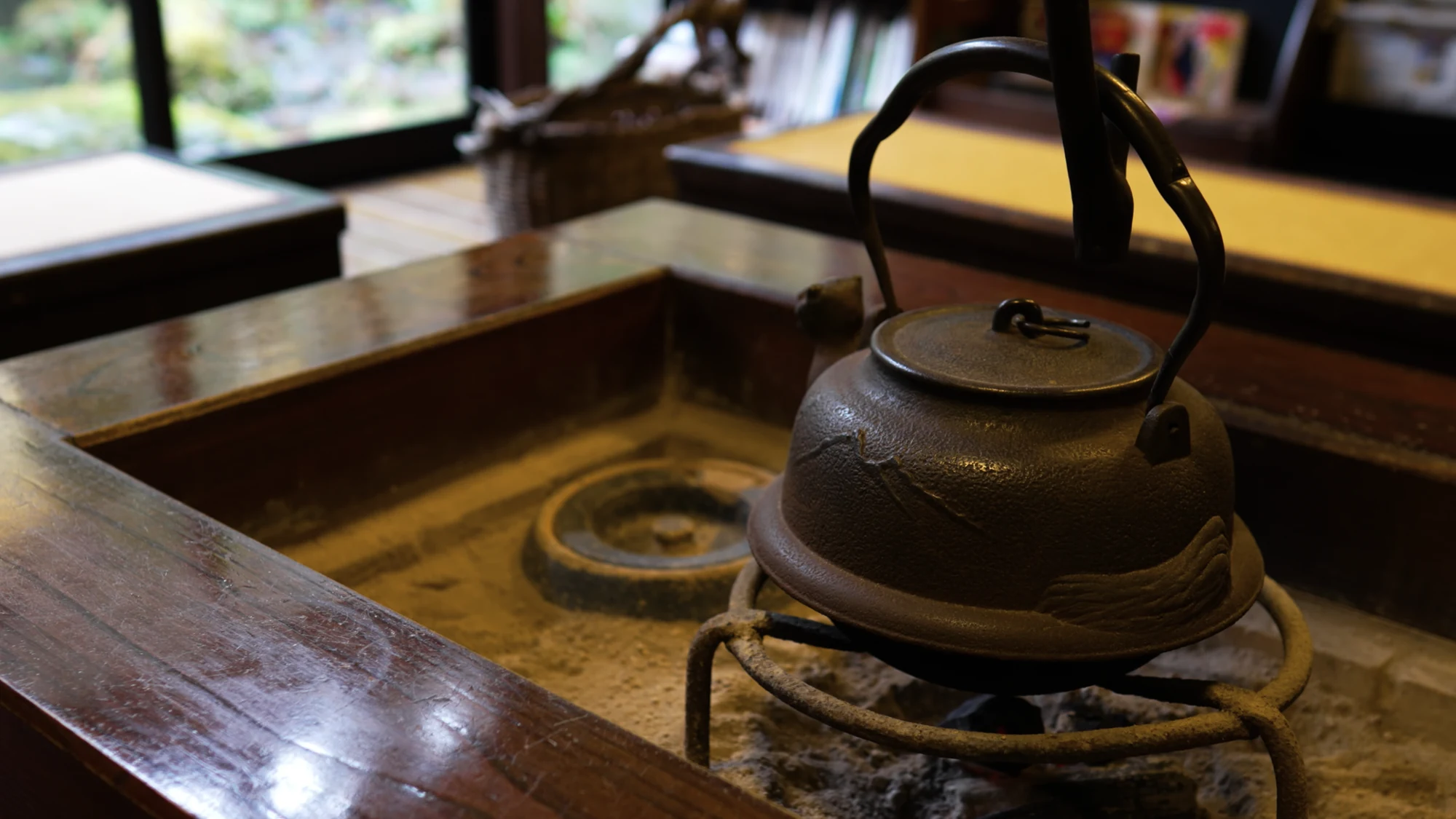
Past the eight everyone names, the field gets more interesting, not less.
Genka (お宿 玄河), ¥12,727–14,545 (US\$85–97). Four rooms, dead centre. The booking read: this is the village's scarcest commodity disguised as its cheapest, because four rooms at the lowest price in the best location clear first for any peak date. Confirm early, confirm by phone, and treat a yes as a small victory. Suits solo travellers and couples who want the lanes at the door and the budget for extra stamps.
Yusai Bekkan (優彩別館), ¥13,000–20,000 (US\$87–133). The traditional annexe away from the bustle, and the least expensive route to quiet in the whole directory. The read: distance is the product, so ask the two questions distance implies, how far exactly, and whether an evening shuttle runs. A strong answer for light sleepers on a budget.
Kiyashiki (いやしの里 樹やしき), ¥16,000–32,000 (US\$107–213). High ground with a view over the village, and a band wide enough to serve two different trips: the ¥16,000 end buys the vantage cheaply, the ¥32,000 end buys it with the trimmings. Ask which rooms actually face the valley; a view house's worst room faces the hill.
Yamanoyu (旅館 やまの湯), ¥16,000–24,000 (US\$107–160). The directory's one self-declared modernist, blending Japanese feel with contemporary design. The read: book it for exactly that, beds and lines rather than creaking corridors, and it will not disappoint; book it expecting Meiji atmosphere and it will. Useful for travellers whose backs have opinions about futon.
Senomoto Kogen Hotel (瀬の本高原ホテル), ¥16,000–40,000 (US\$107–267). The highland hotel with the five peaks of Aso across its windows. The read: this is a different holiday wearing the same association badge, grassland instead of lanes, and it should be booked by drivers and caldera-bound travellers on purpose, never as a fallback for a full village, because the village is a drive away at lantern hour.
Yamabiko (やまびこ旅館), ¥17,000–50,000 (US\$113–333). The great Senninburo, the village's largest open-air bath, on the widest band in the directory. The read: the spread is the strategy, a modest room here costs less than a fine room at plainer houses, and every room shares the same famous water. Families should say children's ages at booking; a pool this size absorbs them better than anywhere.
Yamamizuki (山みず木), ¥18,000–45,000 (US\$120–300). The stream inn, and the best-documented booking in the village: twenty-one rooms in nine types, nine of them with baths attached, free bus-stop pickup if you give your arrival time, a kashikiri bookable ahead by guests, and day-use windows that mean your bath fills with visitors from 10:00 to 15:00 and empties to guests after. The read: book a C-type or better for the stream, tell them your bus, and plan your private-bath hour at booking, not check-in.
Okunoyu (旅館 奥の湯), ¥19,000–40,000 (US\$127–267). Stillness among the hills on roughly 2,000 tsubo (6,600 m² / 1.6 acres) of grounds. The read: you are booking acreage, the rarest amenity in a packed valley, so ask for the rooms deepest into it. The mixed-bath tradition here comes with posted arrangements; couples who care either way should ask which baths are which before arrival.
Sanga (旅館 山河), ¥19,000–40,000 (US\$127–267). Silence, surrounded by mixed woodland, a few minutes out with its own shuttle custom. The read: the direct sibling of Yamamizuki's proposition at the same money, chosen over it by guests who prefer their quiet to include their own inn's bath variety. Confirm the shuttle times against your dinner seating.
Nanjoen (旅館 南城苑), ¥19,000–33,000 (US\$127–220). The inn whose listing states outright that direct phone or web booking is cheapest. The read: obey it. This is the directory teaching you its own economics, and the house that says so plainly is the house to practise on. A fine mid-band choice made better by ten minutes of direct contact.
Shinmeikan (新明館), ¥19,800–25,300 (US\$132–169). The cave, the river, the founding story, in one of the tightest bands among the famous names. The read: the narrow spread means little room-to-room lottery; you are buying the house, not the room, so book early for date rather than grade. Cave bathing arrangements are posted; ask about them when booking if they matter to your party.
Ikoi (いこい旅館), ¥21,500–23,500 (US\$143–157). Thirteen baths, the village's only Hundred Famous and Secret Springs listing, and the tightest band in the entire directory, two thousand yen from floor to ceiling. The read: that flatness is a statement, every guest gets essentially the same deal, which makes Ikoi the easiest quality booking in the village to make quickly and the hardest to make late.
Fujiya (ふじ屋), ¥22,000–27,500 (US\$147–183). Creative seasonal cooking, good water, warmth, says the listing, kitchen first. The read: book it for dinner as the destination, tell them dietary limits at reservation because a kitchen-led house sets menus days ahead, and treat the baths as the excellent supporting act they are.
Konoyu (こうの湯), ¥24,000–35,000 (US\$160–233). High ground over the satoyama, and the village's best-known set of rooms with private open-air baths. The read: the in-room rotenburo rooms are the point and the first inventory to vanish, so name that room category explicitly when booking and have a second date ready rather than a second inn.
Noshiyu (お宿 のし湯), ¥24,000–32,000 (US\$160–213). Old-farmhouse style, wrapped in green. The read: atmosphere-led and priced above the centre's classics, which tells you the atmosphere is the product; guests who loved Waroku-ya's farmhouse lunch and want to sleep in that register have found their inn.
Nonohana (お宿 野の花), ¥26,000–35,000 (US\$173–233). The only sound guests hear is the one nature makes. The read: the listing is a promise of what is absent, so honour it in kind, book it for a night you intend to spend quietly, and take the room, the bath and the silence as the full itinerary.
Miyama Sanso (山みず木別邸 深山山荘), ¥30,250–35,750 (US\$202–238). Birdsong, rice fields, a natural planetarium at night, the Yamamizuki family's annexe. The read: you are booking darkness, the one luxury light pollution has made scarce, and the narrow premium band means the choice is really between this and two nights lower down the ladder. Stargazers should check the moon phase before the calendar.
Gekkoju (月洸樹 黒川), ¥69,900–122,700 (US\$466–818). Held by the forest, held by the moon, at the top of the association's list with clear air between it and everything below. The read: at this altitude of pricing, book by conversation, not calendar widget; the plans, the suite, the dining and the occasion deserve to be matched by a human, and the inn's phone exists for exactly that call.
Views, and how the room charts tell the truth about them
Japanese inns are scrupulously honest about views in their room charts, and Kurokawa's one fully published example shows how to read the genre. Yamamizuki's own chart states plainly that its A-type rooms, the entry tatami grade, do not overlook the stream, while the C-type rooms face the river with wood decks and the G-type faces the courtyard instead; the inn says which rooms lack the view rather than letting a booker assume.
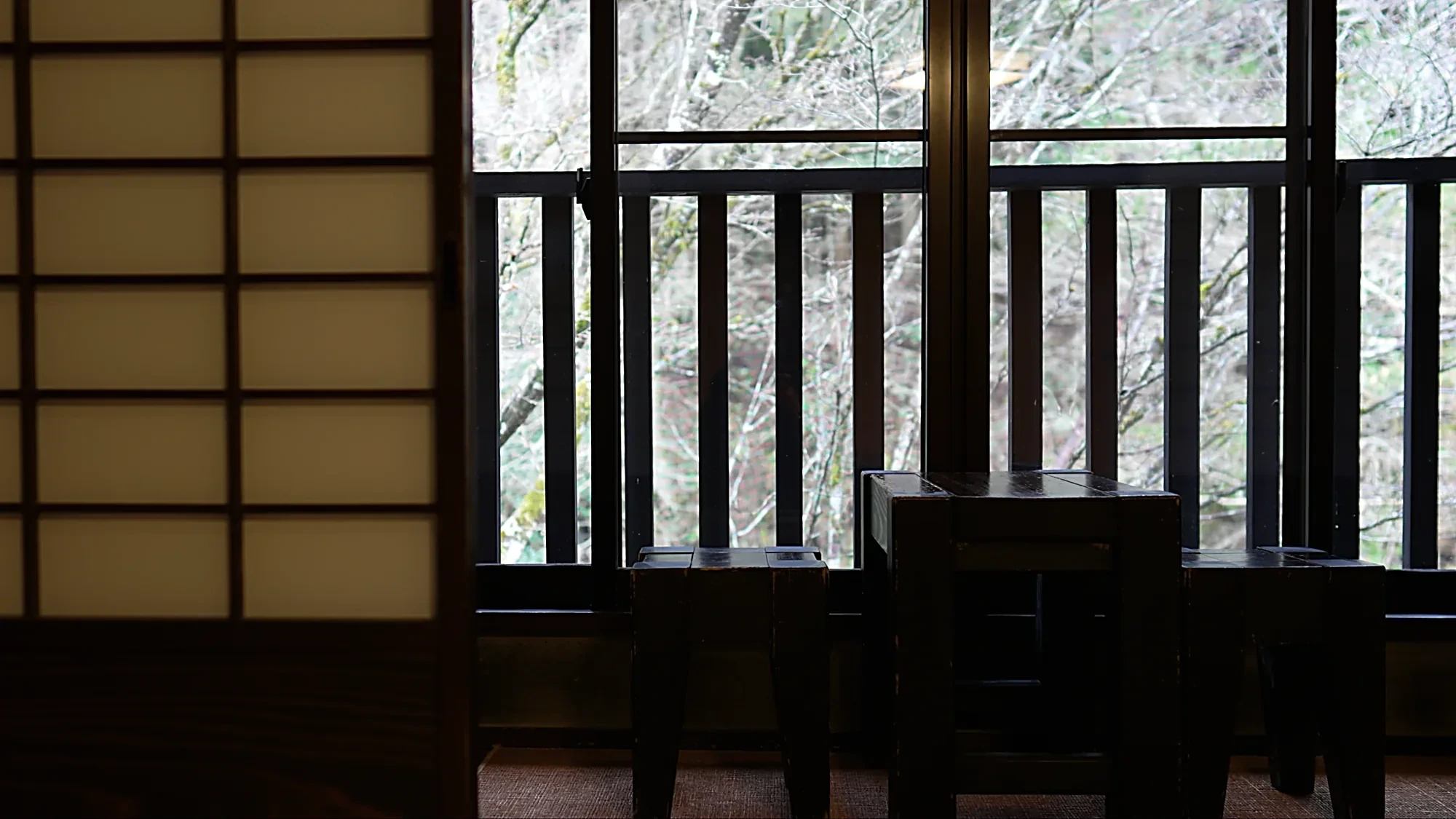
A room chart that names the view is telling you the other rooms do not have one.
Apply that reading everywhere: when a chart or listing names a view for some room types, silence about the others is the answer, and the polite booking question, does this room face the river or the hill, gets a straight reply. The hierarchy that emerges across the village runs stream-facing first, courtyard and garden second, hillside third, with the high-ground houses, Kiyashiki's over-the-rooftops vantage above all, playing a different game entirely, trading the water's sound for the valley's shape.
Pay the view premium where the view is the point of the house, and skip it happily at the centre inns, where the lanes outside the door are the vista and the room is for sleeping.
The splurge: Yamamizuki
If the budget allows one big night in Kyushu, spend it at Yamamizuki (山みず木). The inn sits apart from the village on its own stretch of river — twenty-one rooms in nine types, per its own listing — with the rotenburo we rank first in Kurokawa steps from the futon; its water is a 単純温泉 (simple, weakly acidic) source, and it runs day-use bathing at ¥600 (about US$4) from 10:00 to 15:00 for those not staying.
Staying converts the village's best bath from a tegata stop into your private morning routine, and the kitchen matches the setting. Yamamizuki is part of the Fuji Resort Group alongside Shinmeikan and the Miyama Sansō, so a booking here and a bath at the cave inn are, in effect, one family's two faces. The trade is distance: you are a riverside walk or shuttle from the lanes and the evening stroll, which suits couples celebrating something more than restless bath-hoppers. Book the best rooms months out, especially for November. verify current rates; expect the top of the standard range.
The history, at the centre: Shinmeikan
Shinmeikan (新明館) is the inn whose hand-dug cave bath, chiselled by its third-generation owner over about three and a half years, set the template the whole village followed. It sits dead centre on the river, which makes it the best-located stay for the full Kurokawa ritual: lanes, shops, baths and bridges all begin at the door. Rooms span traditional grades, the cave and riverside baths are yours after the day visitors leave, and the inn wears its place in village history lightly. For first-timers who want Kurokawa itself, rather than a retreat from it, this is the default answer.
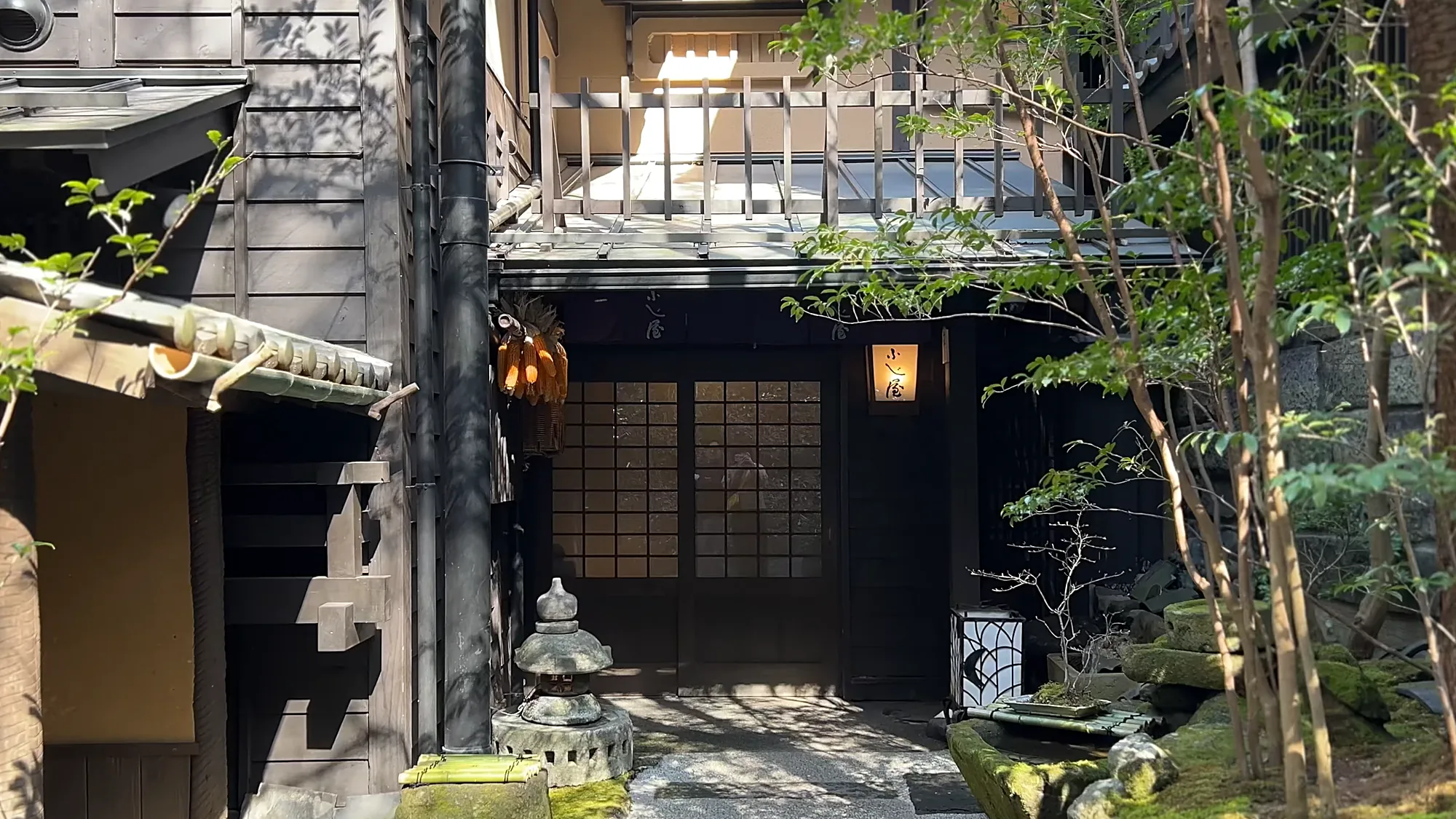
The oldest claim in the valley, and it still looks like a doorway you could miss.
The bath variety: Sanga
A few minutes outside the centre with its own shuttle, Sanga Ryokan is the connoisseur's middle path — a deep menu of baths for its size (indoor, rotenburo, mixed, women's, and reservable family kashikiri) and the quiet the central inns trade away. It is a strong answer for couples and families who want bath variety without Yamamizuki's bill. the room count and full bath lineup here rest on earlier listings, not a current primary; confirm before relying on specifics.
The dependable middle: Ikoi, Yamabiko and Okunoyu
Three inns anchor the reliable centre, and all three now rest on sourced facts rather than reputation. Ikoi runs thirteen baths and is the only Kurokawa inn on the 日本の名湯秘湯百選, the national "hundred famous and hidden hot springs" list, per the association's directory; its Bijin-yu beauty-water billing is the inn's own tradition, which we flag while the verified facts carry it.
Yamabiko holds the village's largest rotenburo, the pond-like Senninburo, per the spa association's member listing — more rooms, flatter approaches, the family-friendly pick with children or older travellers. Okunoyu, at the quiet eastern end, sits in roughly 2,000 tsubo (about 6,600 m² / 1.6 acres) of riverside grounds and, at ¥40,000 per person, marks the top of the association's standard field. All three deliver the full ritual — dinner, yukata, baths — without drama.
The sensible floor: family inns and small houses
Below the famous names, Kurokawa's small family ryokan offer the same valley, the same tegata and often the same spring sources for less. The sourced floor is ¥12,727 (about US$85) per person with two meals at お宿玄河, and the simplest tier runs to roughly ¥18,000; the catch is plainer rooms, sometimes shared facilities, and earlier check-in rhythms. the exact budget-tier rates shift most and should be confirmed at booking.
For solo travellers and anyone stretching a Kyushu itinerary this is the honest bargain of the village, because the things that cost money here — the lanes at dusk, the river, the pass — are communal property, the same for every guest regardless of room. Our budget guide goes deeper.
Five inns the shortlists miss
Misato carries the single most distinctive line in the whole directory: the only inn in Kurokawa whose sulphur water changes colour. In a hamlet whose baths mostly run clear, that is not a flourish, it is a reason to choose the house, and at ¥20,000 to ¥27,000 (US\$133 to \$180) it sits squarely in the core tier rather than the splurge one.
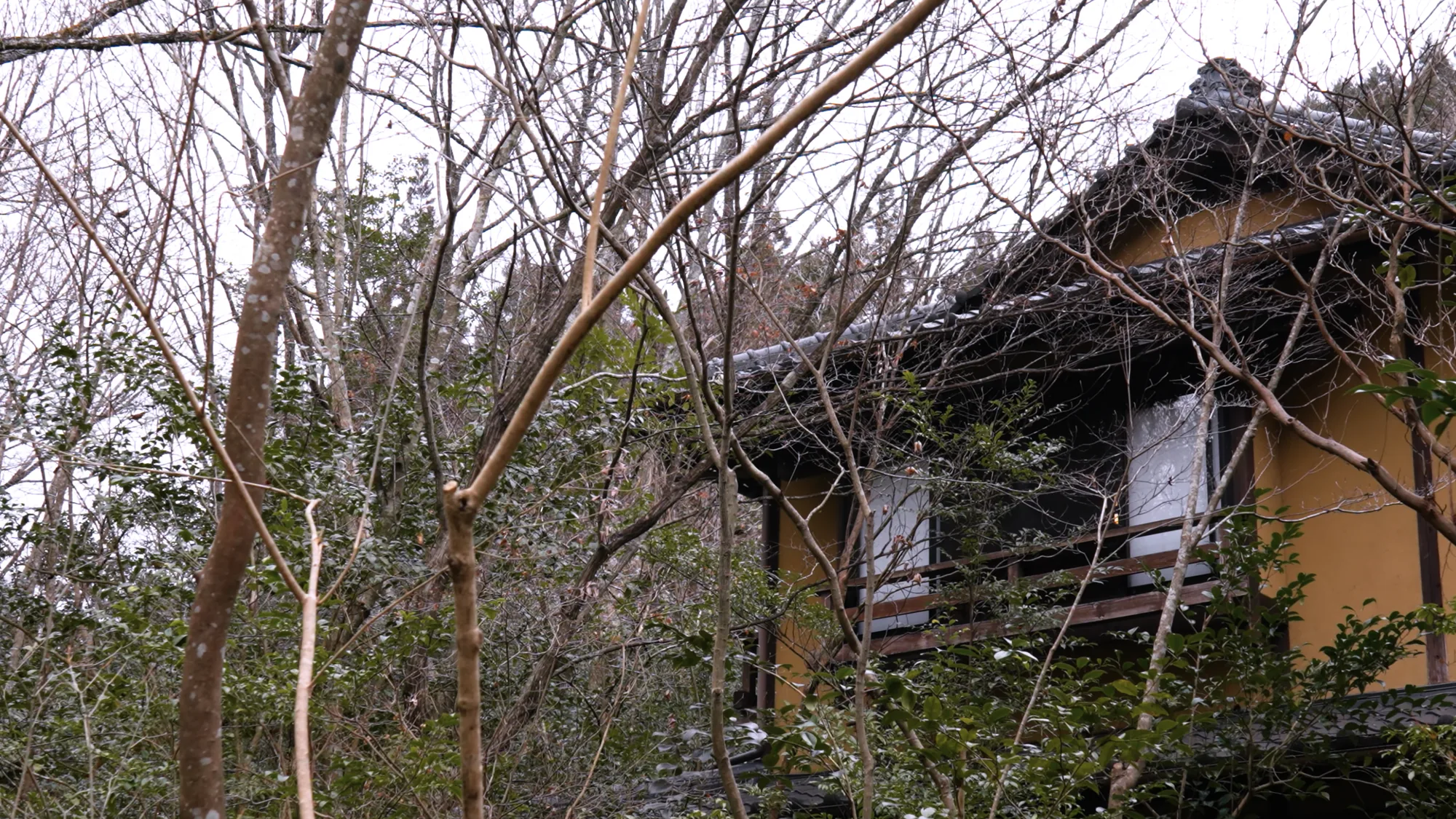
Absent from the English lists, full every weekend regardless.
Fumoto, with its annexe Rokuan, is the centre-of-the-village workhorse that quietly renewed itself: the association notes the bath house and annexe were renovated in August 2024, and the spa association's record credits it with eight baths, among them the village's 1.5 m (4.9 ft) standing bath. For a first visit built around walking the lanes, it competes directly with Shinmeikan at a similar price.
Kurokawa-so hides the best clause in the table: three private baths, free to guests, by reservation. Every other inn in Japan seems to meter its kashikiri by the hour; here they come with the room, alongside private dining rooms and the bath that looks onto the Byobu-iwa rock face. For families and couples who want the private-bath evening without watching a clock, this single listing may be the most useful sentence in the directory.
Ichinoi advertises what onsen romantics actually want to see: sulphur water with yunohana, the mineral flakes, visibly afloat in it. At ¥18,700 to ¥24,200 (US\$125 to \$161) it is one of the tightest, most honest bands in the village.
Hozantei calls itself the inn at the headwater, and the name 源流の宿 is literal: it sits where the valley's water begins. Its band runs from a reasonable ¥24,000 to ¥46,000 (US\$160 to \$307) at the top of the standard field, which buys the farthest quiet in the main village's family.
The quiet corners: staying outside the lanes
A cluster of member inns sells distance rather than the street, and the directory's own language makes the trade explicit. Nonohana promises that the only sound guests hear is the one nature makes. Yusai Bekkan positions itself away from the bustle, and at a ¥13,000 (US\$87) starting band it is one of the least expensive ways into the village's family. Kiyashiki stands on high ground with a view over the rooftops.
Miyama Sanso, the annexe of Yamamizuki's family, offers birdsong, rice fields and what it calls a natural planetarium at night, a plain statement about how dark the highland sky gets away from the lanterns.
Then there is the odd one out, and an honest correction to a line often repeated, including by us: the association's field is not ryokan-only. Senomoto Kogen Hotel is a member, a highland hotel out on the Senomoto grassland with the five peaks of Aso across its horizon, banded ¥16,000 to ¥40,000 (US\$107 to \$267). It trades the village's lanes for the caldera's openness, which is a different holiday, and for drivers pairing Kurokawa with the Aso rim it is a legitimate base rather than a compromise.
Choosing this tier means accepting logistics. You will walk further or ride an inn shuttle to reach the tegata lanes and the evening lanterns, and after dinner the village is a drive, not a stroll. The reward is the highlands themselves: the dark, the stars, the morning mist on the grass. Restless bath-hoppers should stay central. Anyone celebrating something should read this list twice.
The luxury villas
Above the association's standard field sits a small luxury tier: Takefue, in a bamboo grove with villa-style rooms and private baths, and Gosho Gekkoju, an all-suite compound, both reported at roughly ¥50,000 to 100,000+ (about US$330–660+) per person . These names and rates come from listings rather than a Japanese primary, so we flag them; what is not in doubt is that the village's design code pushed luxury into seclusion and private water rather than lobbies and height. The luxury guide compares this tier properly.
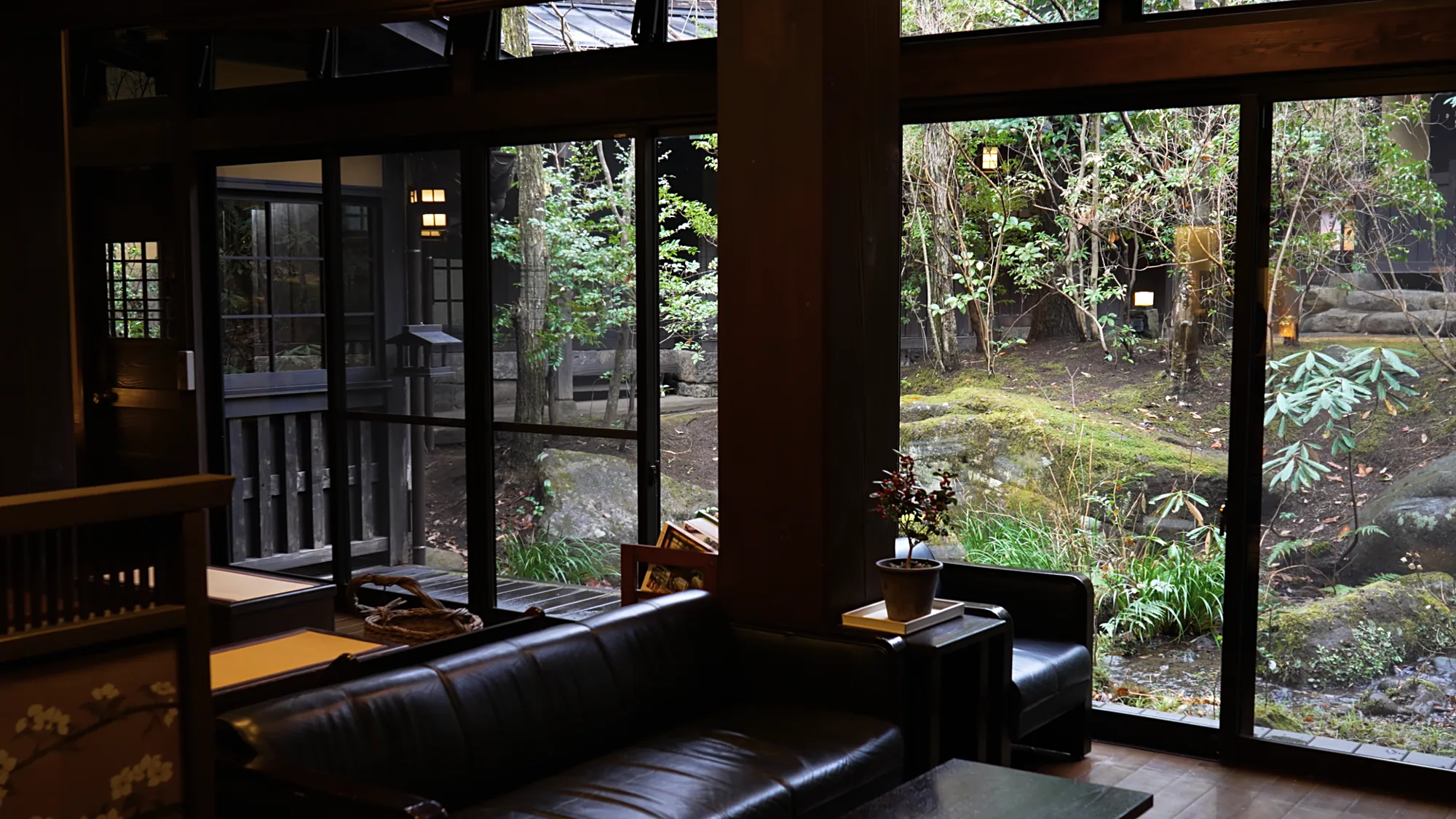
The top tier buys space and quiet. It does not buy better water.
Choosing by temperament
One unforgettable night, money aside: Yamamizuki. First visit, the village at the door: Shinmeikan. Bath variety and quiet: Sanga. Children or mobility concerns: Yamabiko. The verified water pedigree: Ikoi. A private open-air bath in your own room: filter the association's list for that facet, starting with Kōnoyu's nine valley-view rooms. Stretching the budget without losing the experience: the family-inn floor.
Whatever the choice, the booking rules are constant: reserve dinner-inclusive (few restaurants serve dinner outside the inns), tell the inn your bus arrival for the shuttle, flag dietary limits when booking rather than at the table, and ask about a private kashikiri bath if tattoos, toddlers or shyness are in the party — most inns rent one by the hour for around ¥1,000 to 2,500 (about US$7 to 17) .
Matching the inn to the party, through the system
The directory's facets exist because parties differ, and routing your party through the right filter beats any list of favourites. Solo travellers face the village's one structural bias: per-person pricing plus small houses means some inns take couples and groups only, which is precisely why the solo-travellers-accepted facet exists; filter on it first, and note that the four-room Genka and the sub-¥14,000 Yusai Bekkan put the village floor within a solo budget when they accept.
Couples have the widest field and one decision, centre or quiet, that this page's tiers already frame. Families should stack three filters, private bath for the kashikiri hour, rooms with a bath where the party is large, and in-room dining where small children and formal dining rooms would collide; Yamabiko's scale and the child tegata carry the daytime. Groups have their own facet, and should use it rather than assuming a small house can seat eight at one table.
Travellers with pets have a facet too, and because per-inn assignments are behind the filter, the filter is the answer we give rather than a named list. Mobility-limited travellers combine the barrier-free facet with the association's enquiry form, and should ask specifically about the path from room to bath, the distance that matters most and appears in no listing.
And celebrations should say so when booking, plainly: a village whose kitchens set menus days ahead can mark an anniversary properly if it knows, and cannot if it does not. In every case the method is identical, name the party, filter the system, confirm the two facts the filters cannot show, and the thirty inns sort themselves.
The two-inn itinerary
For a two-night stay, the village quietly supports a move most visitors never consider: two nights, two inns, two Kurokawas. The classic split pairs one centre night, Shinmeikan's or Fumoto's register, lanes at the door, with one quiet night at a stream or hillside house, Sanga's woods or Miyama Sanso's dark sky, and the order matters: take the centre first, while the novelty of the lanes is sharpest, and let the quiet house be the deceleration rather than the warm-up.
Mechanics are friendlier than feared. Checkout runs mid-morning and check-in mid-afternoon village-wide, and the gap is exactly the tegata's best hours; luggage between houses is a solvable, normal question, the association's own FAQ fields luggage queries, and inns are practised at holding bags for guests in transit, so ask both front desks rather than hauling cases up Igozaka.
The cost is a second set of check-in rituals and a second packing; the return is that the village's central tension, the lanes versus the quiet, stops being a booking dilemma and becomes an itinerary. On a first trip with two nights, we would still default to one inn for depth. On a second visit, the split is the connoisseur's structure, and the thirty houses make ninety possible pairs.
When to book what: the stay calendar
Booking lead in Kurokawa is a function of three multipliers, date, tier and size, and the working table is short. For the twin peaks, the first two November weekends and the Yuakari-season Saturdays, count two to four months for the general field and longer for the famous houses; the luxury tier and any in-room-bath category run four to six months for milestone dates, because their inventory is counted in single digits. Golden Week and Obon behave like the peaks.
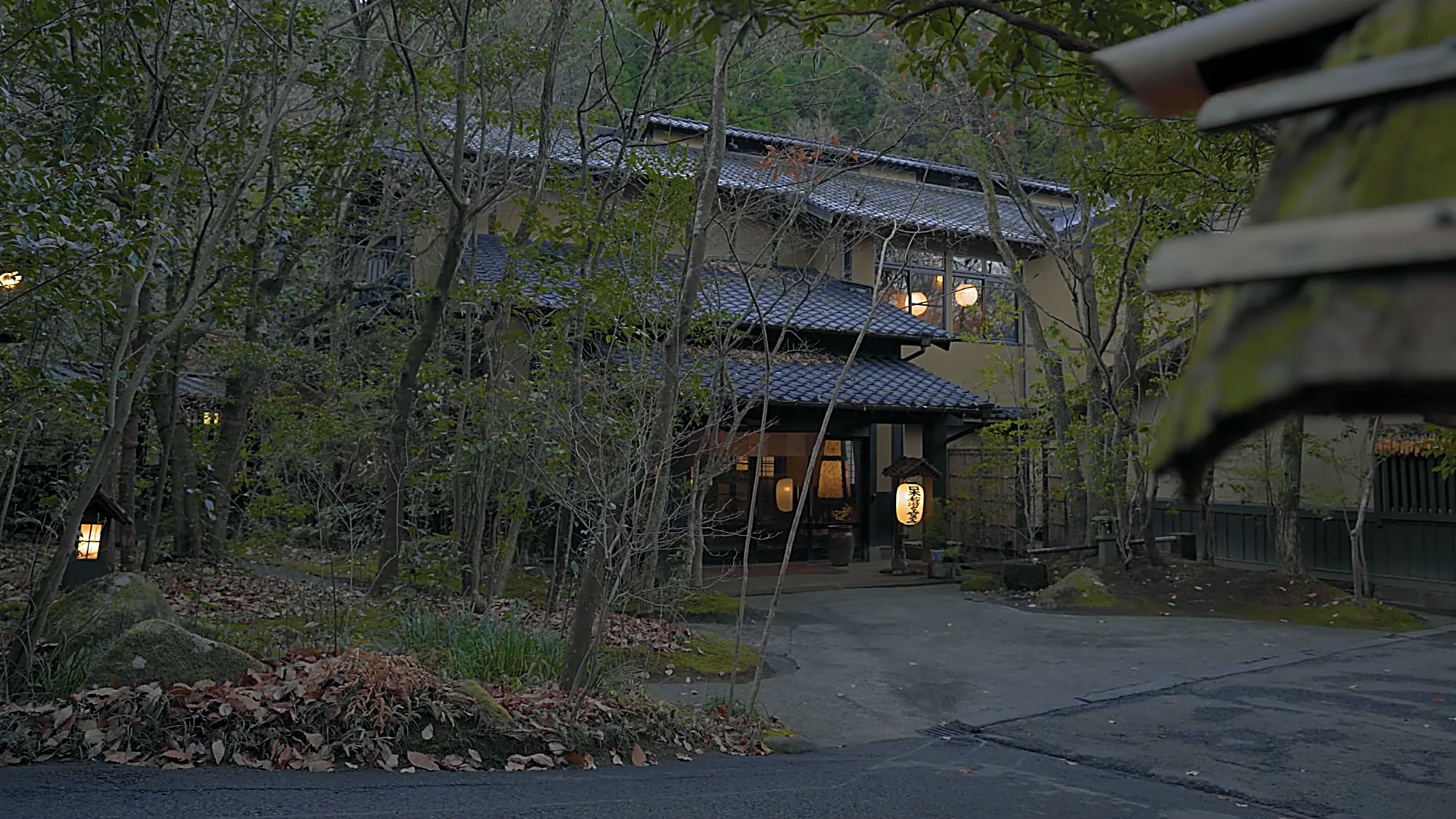
Six months out for leaf season. Three weeks is fine in June.
Ordinary weekends need weeks, not months, outside those windows; midweeks outside peaks can be booked days ahead almost anywhere except the smallest houses, where four rooms mean the calendar never truly relaxes. Two patterns reward the flexible. Cancellations return to calendars in the last fortnight before peak dates, so a full November Saturday is worth re-checking ten days out, ideally by phone, where the just-released room surfaces first.
And the release rhythm favours direct channels: an inn's own plans open earliest and widest on its own site and phone, with platform inventory a lagging subset, which is the practical meaning of Nanjoen's cheapest-direct note applied to timing rather than price.
The one calendar mistake with no recovery is treating the bus as an afterthought; in peak season the Fukuoka service sells out on the same schedule as the beds, and this page's advice is always to book them in the same sitting.
Booking direct, and why the phone still wins
One row of the table doubles as booking advice: Nanjoen states plainly that its cheapest rates come by direct phone or web booking. That candour points at the general rule. The association's bands are indicative, each inn sells through its own plans, and the platforms' inventory is a subset with a margin built in. Booking direct, in the politest Japanese you can manage or through the inn's own site, is routinely the best price in the village, and every listing above carries its phone number for exactly that reason.
Three practical notes complete the picture. First, the directory's facet filters, from barrier-free rooms to pets to card acceptance, exist precisely because these details vary house by house; the association does not publish a per-inn matrix, so filter or ask rather than assume, and do not rely on secondhand lists.
Second, several inns are small enough that a single group booking closes them: Genka has four rooms in total, and houses of that scale can vanish from availability calendars months ahead of the November foliage and the winter illumination. Third, conditions change: the 2026 Kumamoto earthquake has left some services reduced, inns post their own operating notices, and the association runs a live weather and traffic page that is worth a look in the final week before travel.
However you book, confirm three things in the same message: your arrival bus and the shuttle if the inn runs one, dinner and any dietary limits, and a private kashikiri bath if your party needs one. Kurokawa's inns answer all three questions every day of their lives. Asking them is not an imposition. It is how the village has always worked.
Booking by phone, scripted
The directory publishes a phone number for nearly every inn because the phone is still how the village books best, and the call is easier than feared. A workable script, transliterated: Moshi moshi. Yoyaku wo onegai shimasu. [Month, day] ni, [number] mei desu. Nishoku-tsuki de onegai shimasu. Hello, I would like to make a reservation, on [date], for [number] people, with two meals please.
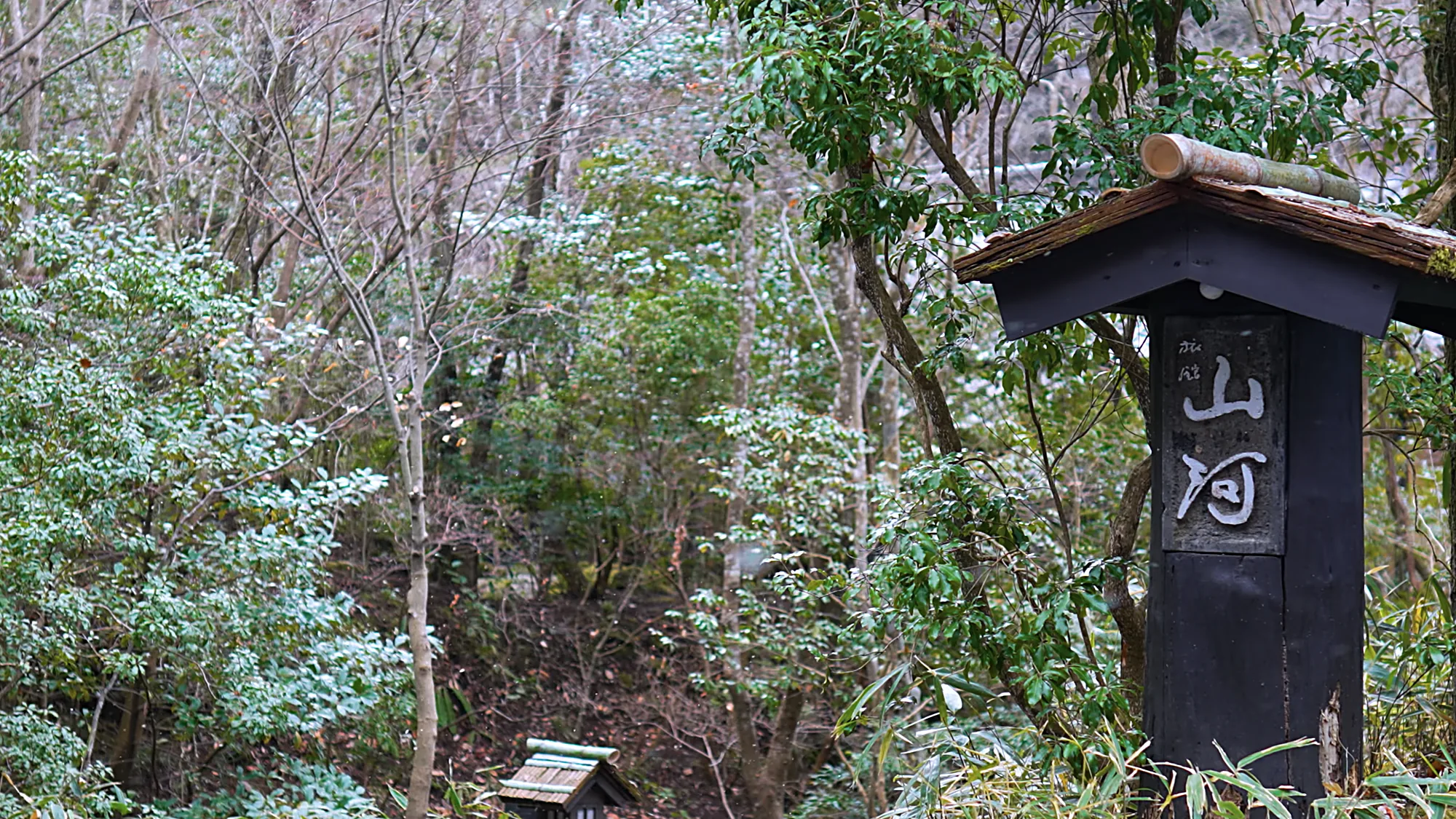
A phone call in halting Japanese still beats an email nobody answers.
Add the three clarifiers that matter here: Basu de tsukimasu, we arrive by bus, which triggers the shuttle conversation; kashikiri-buro wa arimasu ka, is there a private bath, which opens that calendar; and any dietary limits stated simply, since kaiseki menus set early. Numbers, dates and a patient innkeeper carry the rest, and English fragments plus goodwill succeed daily.
Two structural tips: call mid-morning or mid-afternoon, between the checkout and dinner rushes, and have your second-choice date ready in the same call, because the answer to a full night is always a near-empty neighbouring one. For those who prefer text, the association's enquiry form performs the same brokering in writing, and Nanjoen's own listing is the reminder of why any of this is worth the effort: direct is cheapest, in the village's own words.
Booking in the earthquake era
One current layer of diligence belongs on every 2026 booking, because the sources themselves carry it. Yamamizuki's site opens with an operating-status notice for the 2026 Kumamoto earthquake and has posted seasonal closure days; the association runs its live weather-and-traffic page for the same reason; and the regional buses that deliver most guests have run reduced schedules revised in stages. The stay-side consequences are three.
Confirm the inn is operating normally for your dates when you book, one sentence in the enquiry, rather than discovering a closure notice later. Re-check the transport a week out, and tell the inn your bus so the shuttle plan survives any timetable change.
And favour bookings you can move: the flexibility to slide one day is worth more this year than any discount, and inns, whose whole economy depends on guests arriving, have been notably accommodating to plans revised for verified disruptions. None of this should discourage the trip; the village is open, the water is unbothered by seismology, and a booker who spends five extra minutes on status pages travels with the same confidence as any other year.
Frequently asked questions
How much does an onsen ryokan in Kurokawa cost?
Which is the best ryokan in Kurokawa?
Do Kurokawa ryokan include dinner?
Can you stay in Kurokawa on a budget?
Do I need to choose an inn near the baths?
Can you book a Kurokawa ryokan with a private onsen?

Verified by The Japan Onsen Society
Show all sources
Verified July 7 to 16 and September 6, 2026 by The Japan Onsen Society. Per-inn characterisations for Sanga and the luxury villas (Takefue, Gosho Gekkoju) rest on listings, not a Japanese primary, and are marked ; the price band, inn count, facet set and the Ikoi / Yamabiko / Okunoyu / Yamamizuki / Kōnoyu facts are from the association's own pages.
30 member inns · per-person two-meal band ¥12,727 (お宿玄河, four rooms) to ¥122,700 (月洸樹) · the 11 booking facets · Ikoi 13 baths + 日本の名湯秘湯百選 · Kōnoyu 9 rooms with private open-air bath → 黒川温泉観光旅館協同組合 oyado list kurokawaonsen.or.jp/oyado/ → verified Sep 6, 2026
Yamabiko largest rotenburo · Okunoyu about 2,000 tsubo · Yamamizuki 単純温泉, 21 rooms/9 types, ¥600 day-use, Fuji Resort Group with Shinmeikan · Fumoto 1.5 m tachiyu → 温泉地詳細[黒川] (日本温泉協会) spa.or.jp → verified Jul 7 & Sep 6, 2026
Takefue / Gosho Gekkoju luxury tier + rates → listings → no Japanese primary; flagged
黒川温泉観光旅館協同組合 お宿一覧 (Kurokawa Onsen Ryokan Co-operative Association, member inn directory) - the full per-inn table above: price bands, self-descriptions, phone numbers, the facet filters, and the Senomoto Kogen Hotel membership, re-verified September 7, 2026
日本温泉協会 温泉地詳細[黒川] (Japan Spa Association, spring-area record) - Fumoto's eight baths and 1.5 m standing bath, verified July 7 and September 6, 2026
黒川温泉観光旅館協同組合 天気・交通情報 (live weather and traffic page) - the pre-travel status check referenced above; perishable by design, cited as a pointer rather than for any fixed fact
山みず木 公式サイト (Yamamizuki official site: spa, rooms, access) - the room chart and view statements, bath-equipped types, kashikiri pre-booking, day-use windows, free pickup and the earthquake operating notice, verified August 18, 2026
黒川温泉観光旅館協同組合 よくある質問 (official FAQ) - the enquiry-form brokering and the luggage question behind the two-inn itinerary, verified September 6, 2026
Related guides
Where to Stay
Best ryokan
Ranking the inns misleads: the tegata gives you the other baths anyway, so the real question is which room, in which setting, at which price.
Where to Stay
Luxury ryokan
No marble lobbies here — the design code forbids them; luxury is seclusion, private water and a small kitchen.

Where to Stay
Kurokawa Onsen: The Complete Guide
A wooden pass buys three baths from twenty-five. The innkeepers agreed, decades ago, to look like this.