
The decision, compressed
Passing through Kyushu once: one night, no debate. Building a trip around onsen: two nights. Seeking rest itself: three, midweek. Day-tripping from Fukuoka: upgrade it or route the trip so a nearer base makes the visit honest.
Zero nights: the day trip, priced honestly
From nearby bases, Aso, Yufuin, a Kyushu road trip, a day visit earns its place: four to six hours covers the tegata's three baths, lunch, and the lanes, per the bus windows on our access pages. From Fukuoka as an out-and-back, five to six transit hours buy an arrival after the morning calm and a departure before the lamps, the village's two best acts missed. The worth-it page renders the verdict at length; the summary is that day trips sample the water and skip the place.
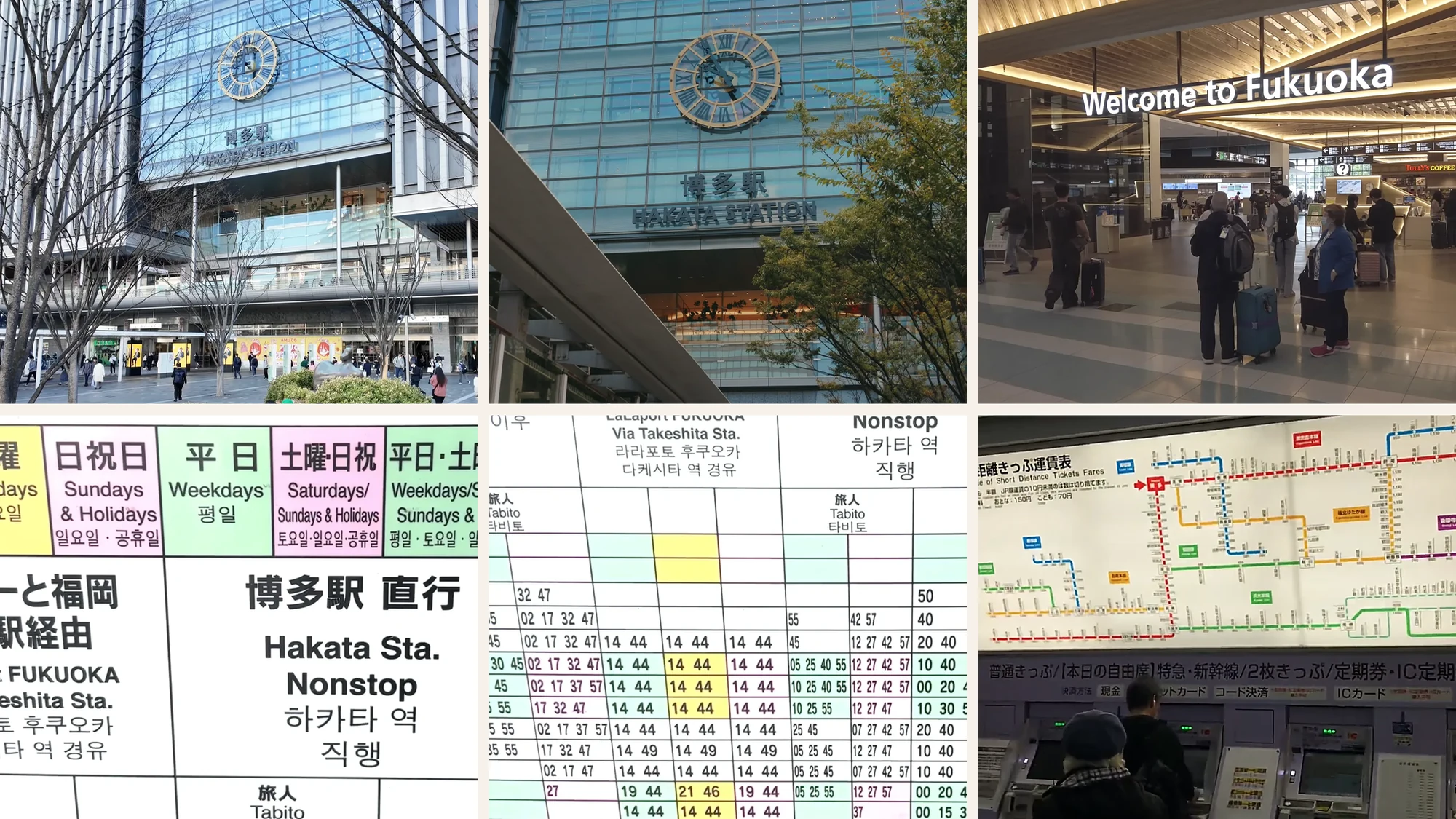
A day trip starts here and ends here, and that is most of why it does not work.
The transit math, in full — the real case against the day trip
The argument for staying at all rests on how far Kurokawa is from everywhere, and the ryokan association publishes the exact figures. A direct highway bus from Fukuoka / Hakata runs 2 hours 45 minutes each way; from Kumamoto the 九州横断バス (Kyushu Crossing Bus) runs about 3 hours direct; and from Beppu or Yufuin the Crossing Bus is a once-daily through service, roughly 1 hour 37 minutes from Yufuin.
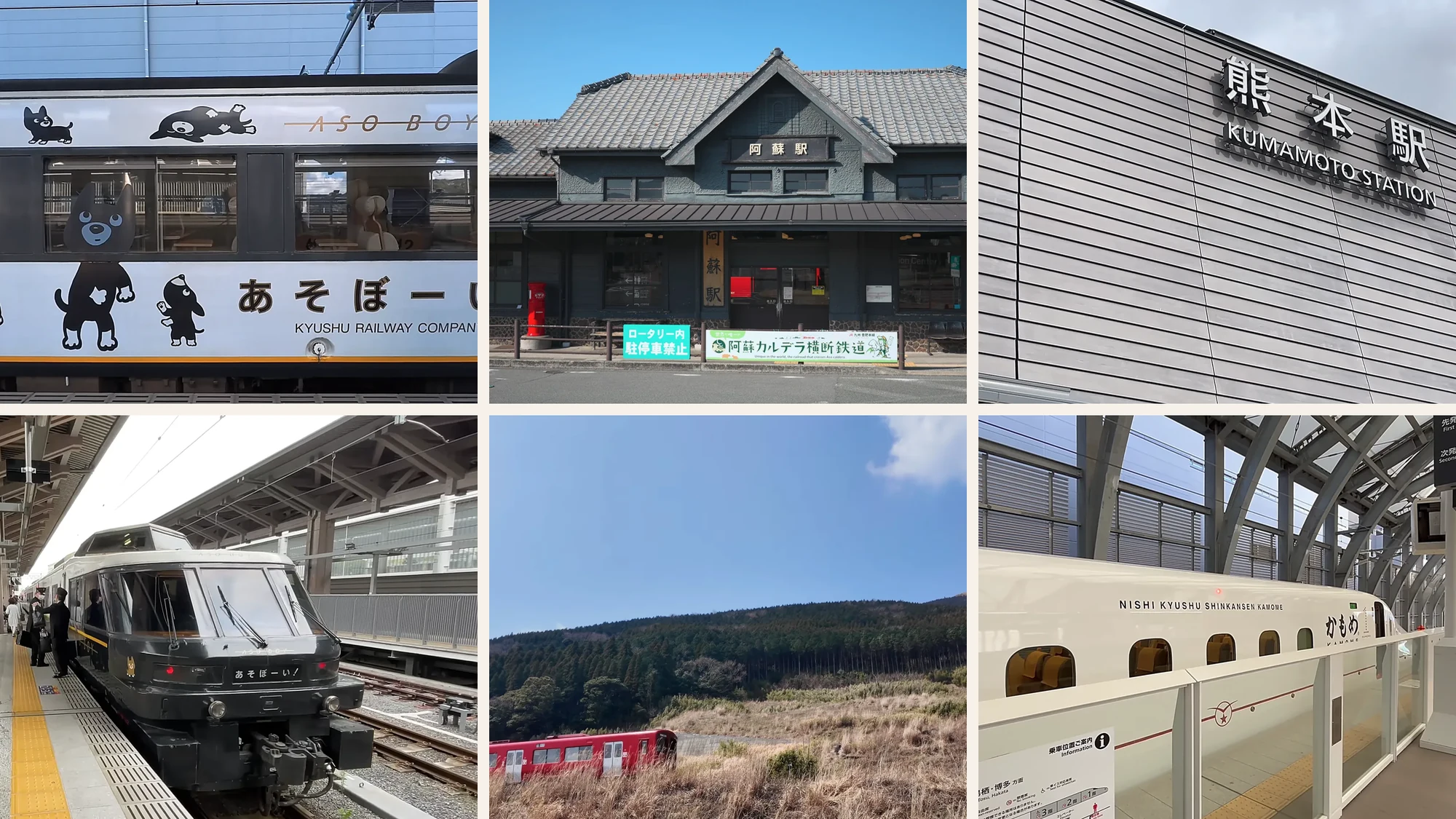
The rail network gets you close and never all the way. Budget the last bus leg.
There is no train station: the nearest railheads are JR Aso on the Kumamoto side and JR Hita on the Fukuoka side, each about an hour out by car. Put those numbers against a day: an out-and-back from Fukuoka spends five to six hours in transit to buy a few midday hours in the village — arriving after the morning calm has broken and leaving before the lamps come on, which are precisely the two hours the village exists for.
From a nearer base (Aso, Yufuin, a Kyushu road trip) a day visit is more honest, because the transit shrinks. One trap decides many late arrivals: on the Kumamoto side the last local-bus leg ends at 南小国町役場前 (Minamioguni town hall), ten minutes short of the village by car, so a car-free arrival needs the inn's pickup arranged in advance.
And because the 2026 Kumamoto earthquake has thinned some regional services, the association keeps a live weather-and-traffic page that any tight day-trip plan must be checked against before it is trusted.
One night: the essentials
The one-night stay is Kurokawa's standard dose and genuinely sufficient: afternoon riverside bath, one-seating kaiseki, the night lanes (lantern-lit in Yuakari season), the dawn soak, a final tegata stamp, out by midday. Nothing essential is missing except repetition and a look at the caldera. Most first-time itineraries should budget exactly this and spend the saved night elsewhere in Kyushu; the 1-night itinerary page sequences it hour by hour.
One night works. It just does not leave room for anything going wrong.
Why even one night wastes nothing: the tegata rolls over
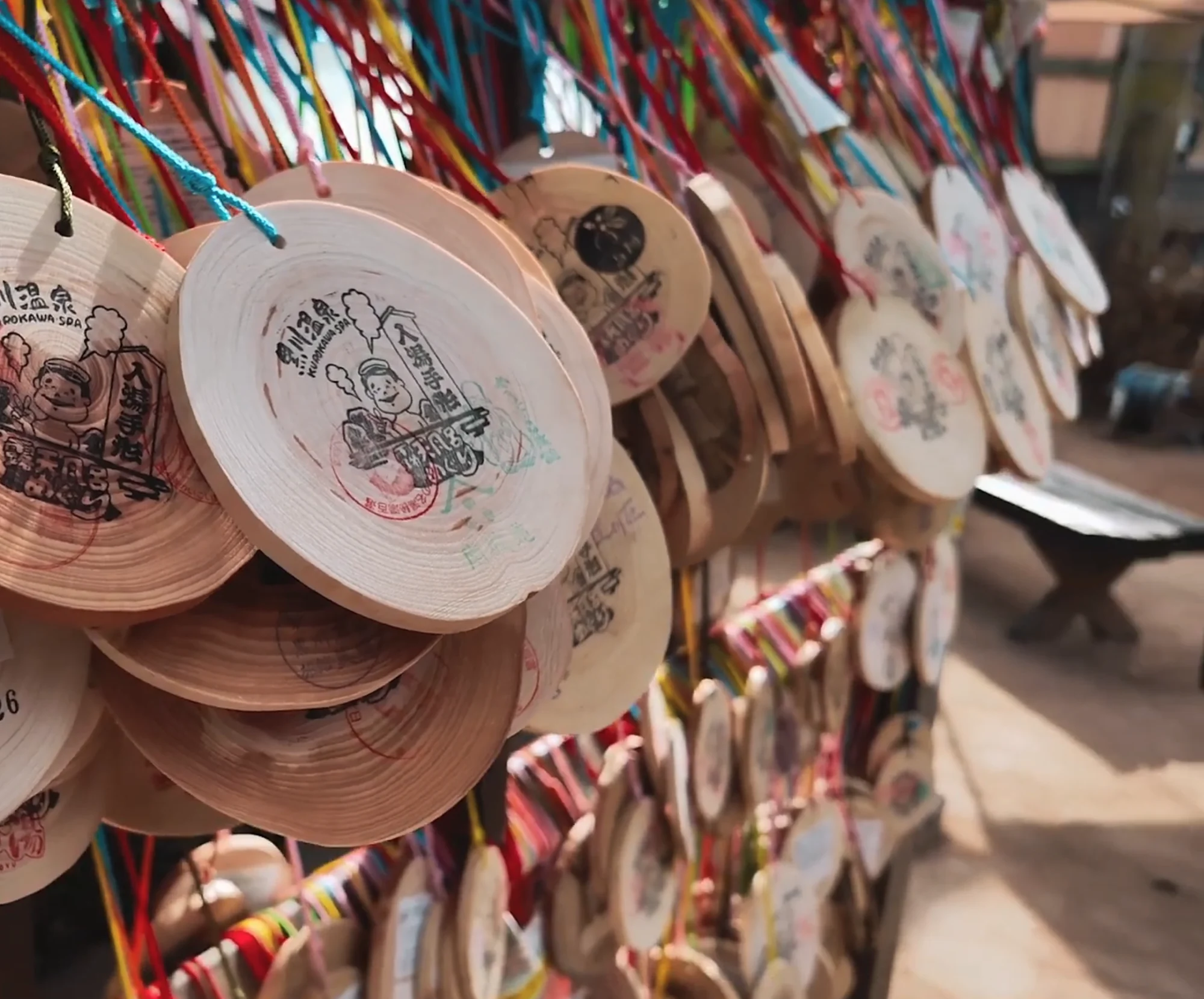
Part of the worry about a short stay is that you cannot "finish" the baths, and the pass is designed so that you never need to. The 入湯手形 (nyūtō tegata) costs ¥1,500 for an adult and ¥700 for a child (about US$10 / US$4.70), carries three stickers, and admits the holder to any three of the twenty-five scheme baths between 8:30 and 21:00.
Crucially, it is valid six months from the date of purchase, and the association explicitly says an unfinished pass may be used on a return visit inside that window. So a one-night guest who manages only two baths has not wasted the third — it keeps. Two of the three stickers can go on baths and the third — the green sticker — on food or a souvenir at a participating shop; both uses are valid.
It is one pass per person and cannot be shared. Two quieter facts reward anyone who stays long enough to notice: one percent of all tegata sales funds landscape and conservation work in the village, and each inn carries its own stamp design, so a completed disc is a personalised object. The pass, in short, punishes no length of stay; it simply rewards a longer one with more baths.
The one-seating kaiseki, and why dinner forces the overnight
The most practical reason a day trip disappoints is dinner. The village has few free-standing dinner seats, and the inns cook for their own guests at a single seating — so the evening meal is an argument for sleeping there, not an add-on.
The association lists thirteen places to eat, and two facts sharpen the point: 褐 (-aka-) and 豚皇 (TONKOU) are reservation-only, and TONKOU's evening course is for Kurokawa overnight guests only. The food is mountain kaiseki built on Aso 赤牛 (akaushi) red beef, grilled 山女 (yamame), 団子汁 (dango-jiru) and mountain vegetables, with Kumamoto's 馬刺し (basashi) common; the snack circuit runs to dorayaki at どらどら, tofu and soy-milk soft-serve at とうふ吉祥, and a late option at いろり家 (Irori-ya), one of the few places open past early evening.
A day visitor eats lunch and leaves; the overnight guest gets the meal the village is actually built around, which is why one night is the floor rather than a compromise.
Two nights: the complete trip
The second night converts the visit from performance to residence. Day 2 buys the Aso excursion, Nabegataki's walk-behind falls and Daikanbō's rim, or, car-free, the deep-village day of repeat soaks and empty famous baths at late morning. Two dinners sample the kitchen's range, the tegata finishes without haste, and the second dawn is the trip's quiet summit. For honeymoons, bath devotees, and anyone pairing Kurokawa with the caldera, two nights is the correct call, per the 2-day itinerary.
What each added night actually unlocks — the baths
A single night realistically buys three or four baths, and the choice is what a longer stay expands. The association's own descriptions make the shortlist. 山みず木 (Yamamizuki) is a single quiet inn along the mountain stream — the finest riverside setting, best in daylight. 新明館 (Shinmeikan) holds the hand-dug cave bath, a low tunnel into the hillside. ふもと旅館 (Fumoto) keeps a 1.5 m standing bath (立湯) among its eight baths, the bath house renovated August 2024.
やまびこ旅館 (Yamabiko) has the village's largest open-air bath, the pond-like Senninburo. いこい旅館 (Ikoi), the only Kurokawa inn on the 日本の名湯秘湯百選 list, runs thirteen baths. 和風旅館美里 (Misato) is the only inn whose sulphur water changes colour. And 黒川荘 (Kurokawa-sō) gives its guests three private baths free with a reservation.
One night forces a choice among these; two nights let you take the contrast deliberately — a riverside bath and the cave, or a standing bath and a colour-changing one — which is the single strongest argument for the second night, before any excursion is counted.
What the second and third nights unlock — the valley
Beyond the baths, the extra nights buy the landscape, and it is larger than the two famous stops. Kurokawa sits between the outer rim of the Aso caldera and the 九重連山 (Kujū range), on the uppermost reaches of the 筑後川 (Chikugo River).
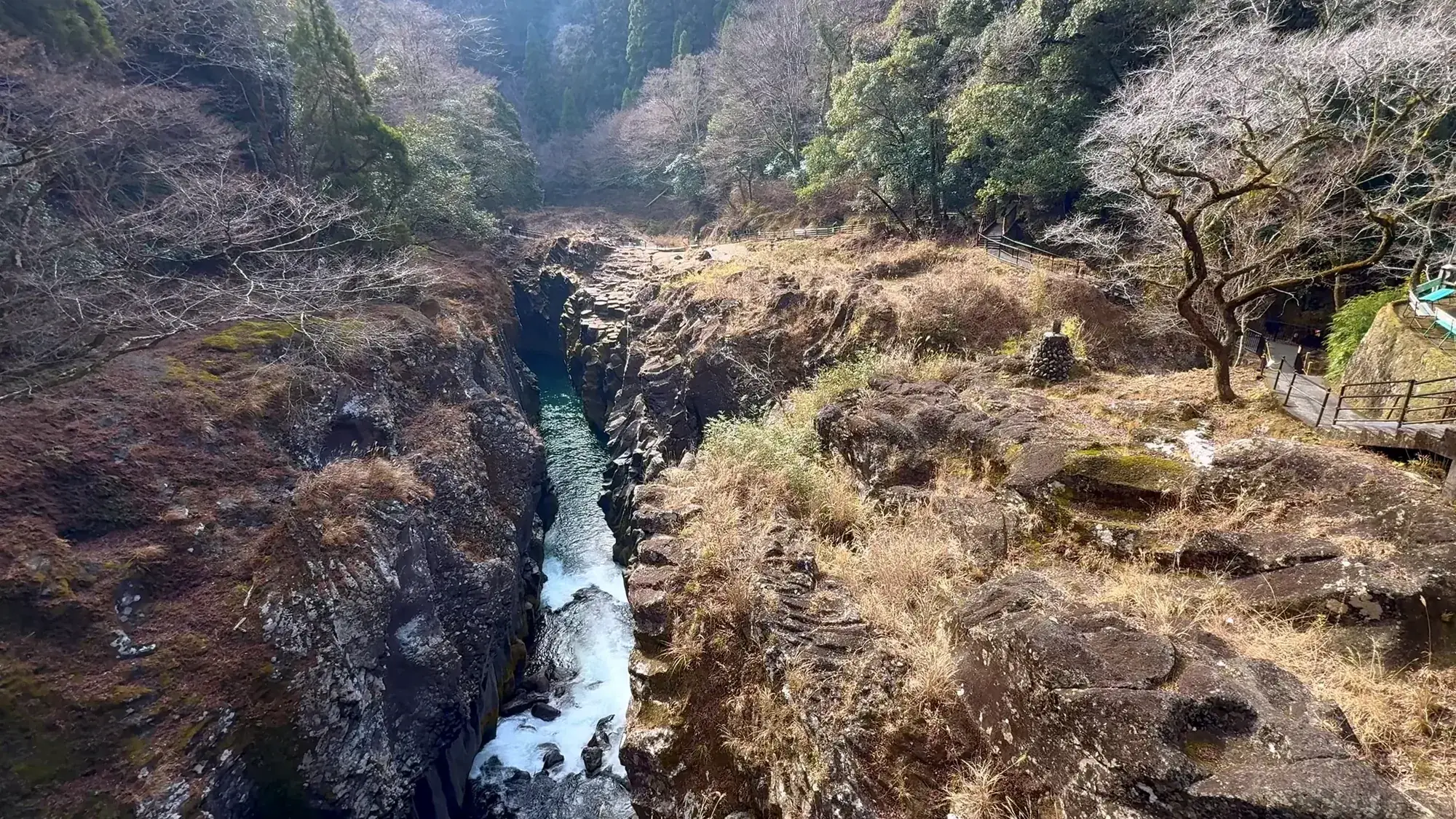
The second night is when the valley beyond the lane becomes reachable.
The Japan Spa Association's designation profile names the sights within reach: the walk-behind curtain of Nabegataki, the caldera-rim panorama at Daikanbō, and — less travelled — 七滝 (Nanataki) and 夫婦滝 (Meotodaki) falls, the 清流の森 forest with its 雀の地獄 rock formations, and 瀬ノ本高原 (Senomoto highland), ranked first among Kumamoto's hundred green landscapes, with the ペトログラフ押戸石 (Oshitoishi petroglyph stones), 金比羅杉 and the 竹の熊大けやき further out.
Two neighbouring hamlets of the wider 郷 reward a third day: 田の原温泉 has been a 湯治場 (cure resort) for some three hundred years, and at 満願寺温泉 you bathe in the river itself, in a stone-enclosed bath on the 志津川 beside the thirteenth-century temple 満願寺. A second night is enough for one excursion; a third opens the district.
Three nights and beyond: rest, declared
A third night adds no new sights; the village empties its checklist in two days. What it adds is state: the point where bathing stops being an activity and becomes a schedule, books get finished, and the staff greet you as a regular. Travelers treating Kurokawa as a retreat, writers, recoverers, the kaiseki-and-silence demographic, should take three nights knowingly, ideally midweek, ideally at one of the quieter hillside or riverside houses. Sightseers should spend that night in Yufuin or Beppu instead and keep the triangle moving.
The wider district, for the third night and beyond
A third night stops being about Kurokawa and starts being about the district around it. The 南小国温泉郷 (Minamioguni hot-spring district) counts fifty-three lodgings and roughly 2,300 beds across five hamlets — a figure often misquoted as Kurokawa's own, when Kurokawa's association has thirty inns and the tegata scheme twenty-five baths. Two neighbouring hamlets reward the extra night.
田の原温泉 (Tanoharu) has been a 湯治場 — a cure resort — for some three hundred years, its bicarbonate source erupting hot enough to need no reheating. And 満願寺温泉 (Manganji) offers a river bath in the truest sense: an open-air bath enclosed by stones on the bank of the 志津川, where you bathe in the stream itself, beside the thirteenth-century temple 満願寺, in water the profile records as bicarbonate; the stream holds オキチモズク, a protected natural monument. Neither is on the tegata, and both are exactly what a third day is for.
How long depends on when you come
The right length shifts with the season, and the altitude moves the calendar. The village sits at about 700 m (2,300 ft) and runs three to five degrees Celsius (about five to nine Fahrenheit) cooler than the Kumamoto lowlands, per the association.
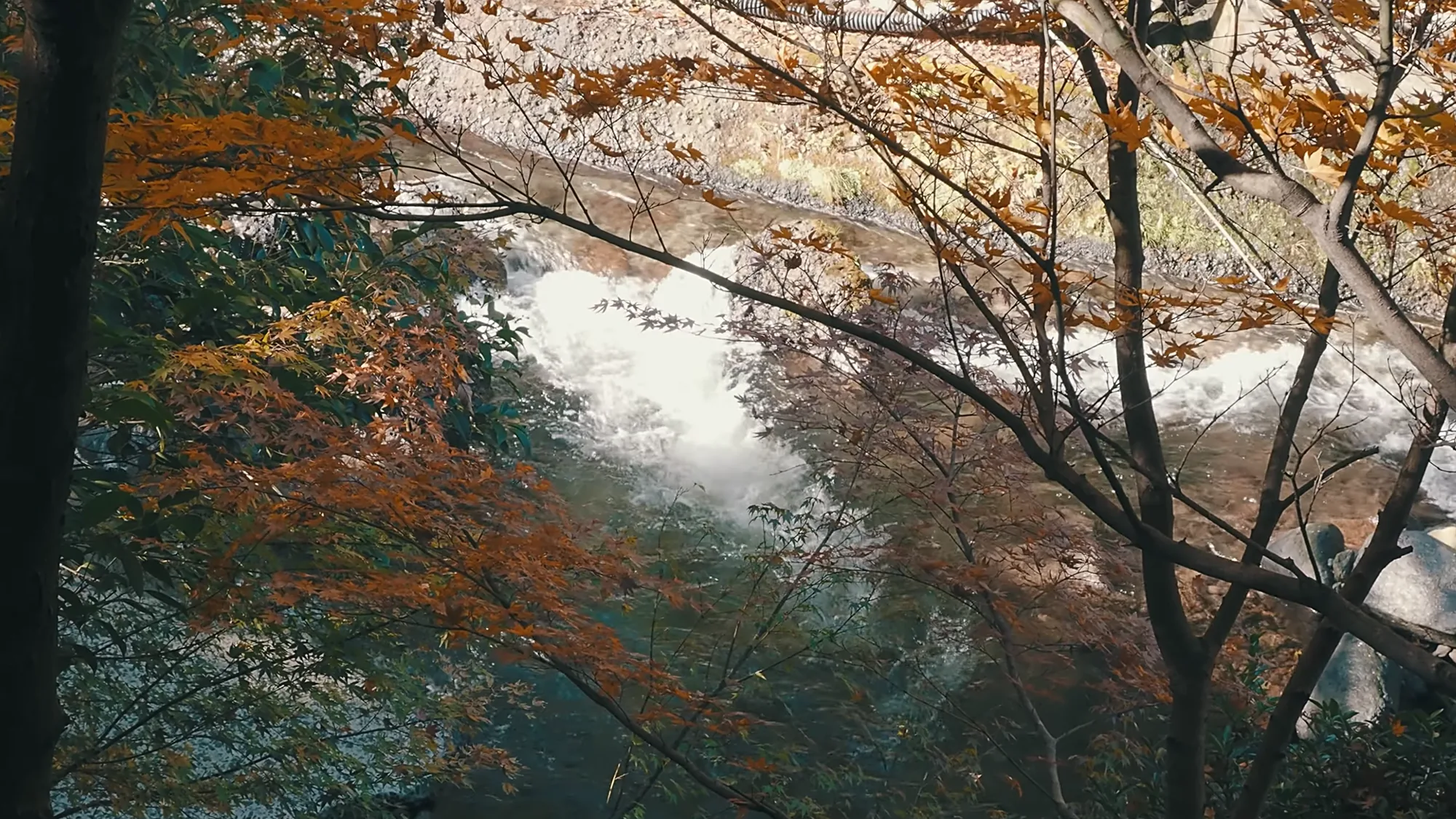
Two nights in February. Three if you came for the leaves.
In winter, the case for two nights strengthens: open-air baths against near-freezing air plus Yuakari (湯あかり), the bamboo-lantern illumination that runs roughly December 20 to March 31, the lanes and the Tanoharu River lit from dusk to about 10 pm, free — an evening spectacle a day trip cannot see, since the lights outlast the last bus down the mountain.
Summer carries its own 傘あんどん (Kasa Andon), June 1 to September 30. Cherry blossom comes in early April and autumn colour late October to mid-November — and the November foliage weekends are the year's tightest bookings, which is itself a reason to fix the length early. Whenever you come, arrive by mid-afternoon; a late arrival is the one itinerary error a longer stay cannot fully repair.
Timing a visit to the tegata's fortieth year
There is a reason 2026 is a particularly good year to give Kurokawa more than a passing day: the 入湯手形 began in 1986, during the bubble era, which makes 2026 its fortieth anniversary, and the association is running a fortieth-anniversary programme from July 1, 2026 to March 31, 2027.
The pass that turned thirty rival inns into one network — three stickers, six-month validity, twenty-five baths, one percent of every sale returned to conservation — is the single artefact that best explains why the village works as it does, and the anniversary window is the occasion the association itself is marking.
For a traveller weighing one night against two, the anniversary is a small thumb on the scale toward the longer stay: the pass is not just a ticket this year but the thing being celebrated, and its cedar disc, stamped with each inn's own design, comes home as the souvenir of a fortieth-year visit.
Yuakari, and why a winter night wants two evenings
If the trip falls between late December and the end of March, the length calculation changes, because the village's one true spectacle happens after dark and outlasts the last bus down the mountain. Yuakari (湯あかり) runs roughly December 20 to March 31, the lanes and the Tanoharu River lit nightly from dusk to about 10 pm, free to view, with exact dates announced each season.
The lanterns are handmade locally from Minamioguni bamboo in two forms — temari spheres and roughly two-metre pillars — many set directly over the river, and even the illumination obeys the village's design code: bamboo and lamplight, never floodlight. A single winter night gives you one Yuakari evening, already the trip's centrepiece; a second night gives you the emptiest, best hour on the bridges near the 10 pm close, when the day visitors are long gone. That alone is the argument for the second winter night, and it is why "how long" in winter is really "how many evenings."
Booking horizon, and where to stay at any length
Length and booking horizon are linked, because the village's beds are scarce and priced per person with two meals. The association's own listings run from ¥12,727 at the four-room お宿玄河 (Genka), the smallest and cheapest, to ¥122,700 at 月洸樹 (Gekkoju), the most expensive — nearly ten times the floor across thirty inns, with the middle around ¥18,000–27,000.
Book two to four months ahead for winter and the November foliage weekends; midweek in most seasons is looser, and a third, rest-oriented night is best taken midweek at a quieter hillside or riverside house rather than on a priced-up Saturday.
There are no hostels in the roster — the design code never made room for a backpacker tier — so a short, modest stay still means a real ryokan with a real dinner, and the ¥1,500 tegata gives that room the same famous baths as the villa.
What a single bath costs without the pass
If a short stay leaves a gap, single-bath day entry fills it. Without the tegata, a single bath is widely reported at roughly ¥500 to ¥800 — a visitor-reported range we have not been able to confirm on the association's own pages, so treat it as indicative and expect it to vary by inn.
The pass at ¥1,500 pays for itself by the third bath, which is why even a one-night guest usually buys it rather than paying bath by bath; and because it holds for six months, the stamps a short stay leaves unused are a reason to return, not money lost. Day-use baths keep posted hours and close for cleaning, and the association posts each day's availability, so check before planning a tight sequence.
Where you buy the pass, and how you pay
A practical note that shapes the first afternoon of any stay: buy the 入湯手形 at any member inn or at the association's 風の舎 (Kaze-no-ya) information house — you do not need to queue at an office before bathing, and buying it at your first bath is often quickest on a busy weekend.
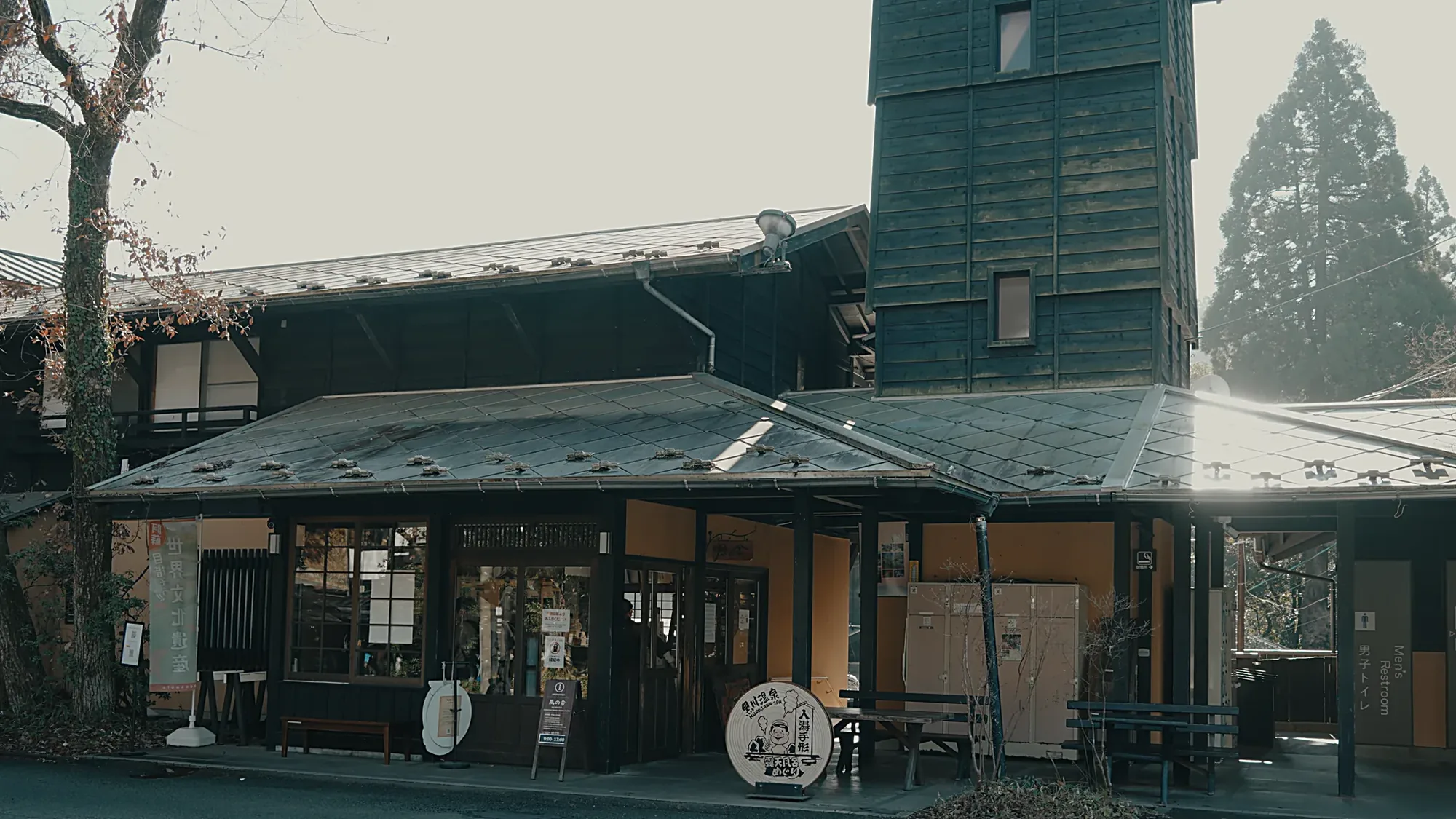
The association office or any inn desk. Cash, and not online.
Cash still rules the small inns and shops, so carry notes; card acceptance is inconsistent across the village, and the association's directory does not promise it inn by inn. The disc itself is cedar and carries three stickers; the sticker you do not spend on a bath can go on food or a souvenir at a participating shop, so a short stay can still taste the village's own economy through the green sticker even if it never fills all three bath stamps.
The village you are deciding to linger in
Kurokawa rewards time partly because its beauty is authored, and knowing the story changes how the extra night reads. The founding legend, told on the association's own site, is the 首なし身代わり地蔵 (the headless substitute Jizō) — a poor salt-seller, a bedridden father, a theft, a landowner's blade, and a Jizō whose head falls in the boy's place; the statue, later said to have spoken at Kurokawa and asked to be enshrined, still stands at the village centre, and retiring a spent tegata there is the customary end of the bath-hop.
The modern village began from failure: the 1964 Yamanami Highway brought a boom that faded, and until the year 2000 Kurokawa's name did not appear on the local newspaper's map of Kumamoto Prefecture. In the lean years the third-generation owner of 新明館 dug the cave bath by hand, aged twenty-four, with a chisel, over about three and a half years — the inn's history records the feat without naming him, and neither do we.
From the 1980s the innkeepers took roughly two hundred signs down off the lanes together, enforced natural materials, and the slogan became 黒川温泉一旅館 — "the whole village, one inn." The extra night is time spent inside a made thing, and it reads differently for knowing it was made.
The water, and why more nights reward you
A longer stay is worth more here than in most onsen towns for a concrete reason: Kurokawa has no single spring type, so each extra bath can be a genuinely different water. Each ryokan owns its own source, and the wider 南小国温泉郷 is five hamlets that, per the Japan Spa Association's designation profile, do not share a water — Kurokawa proper is 単純温泉 (simple) and 塩化物泉 (chloride); Tanoharu, Manganji and Oda are 炭酸水素塩泉 (bicarbonate); Shirakawa is 硫黄泉 (sulphur) — while the spring-area record lists four families in all: sulphur, bicarbonate, chloride and sulphate.
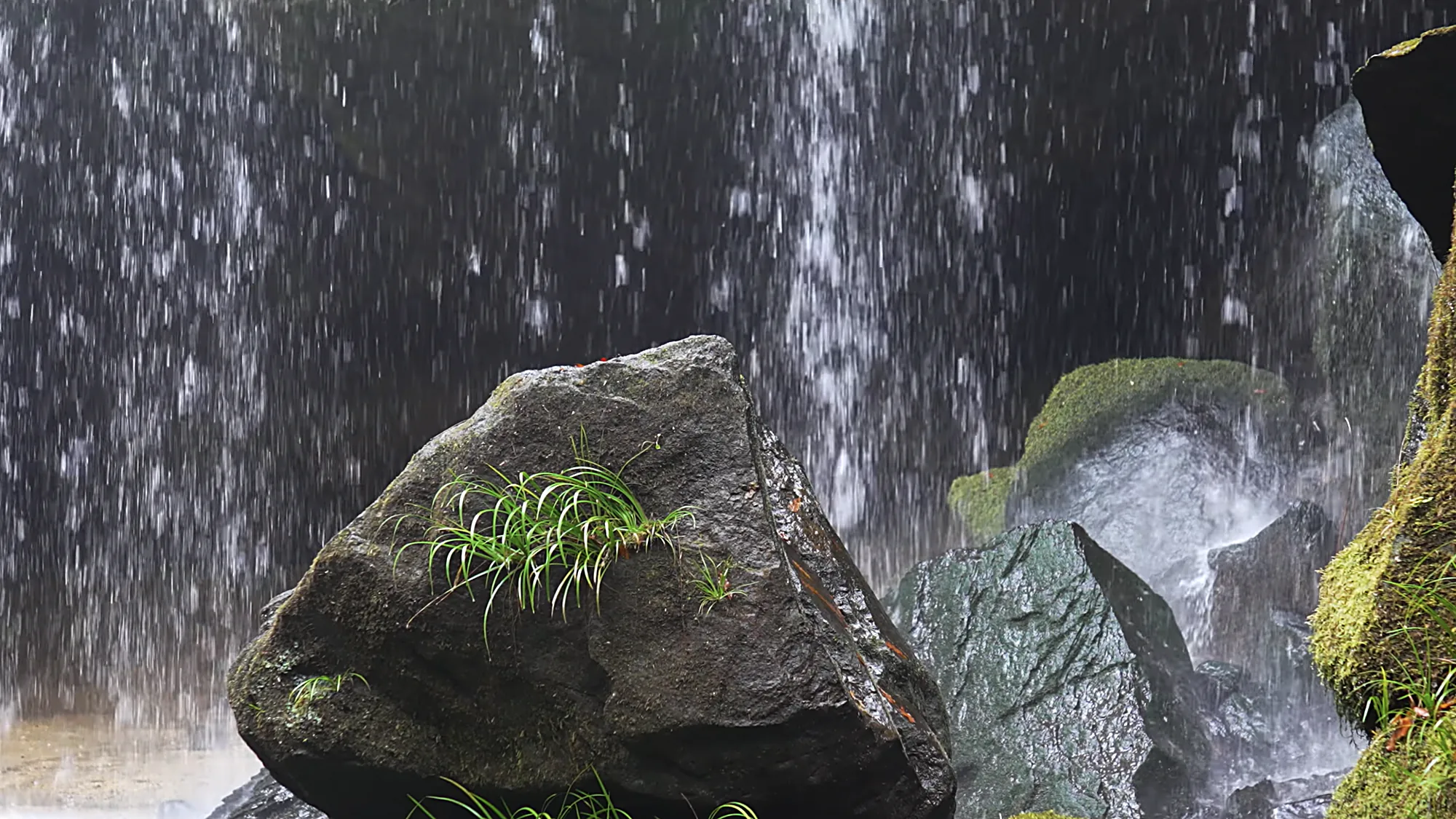
Three stamps is one afternoon. The water is the reason to stay longer.
So two or three nights is not just more of the same soak; it is a chance to move across chemistries, from a simple spring to a sulphur one, in a way a single night cannot. One inn is singular: 和風旅館美里 (Misato) is the only inn in Kurokawa whose sulphur water changes colour, by the association's own description.
And a piece of honesty the association volunteers, rarely carried in English: nearly every inn is genuinely free-flowing from source (源泉かけ流し), but because the source runs hot, many add water (加水) to reach bathing temperature — which, it says, does not change the mineral content or the designated effects.
On what the waters are traditionally held to do, 日本温泉協会 publishes official 適応症 (indications) and 禁忌症 (contraindications) by spring type — sulphur for atopic dermatitis and chronic eczema, chloride for cuts, poor circulation and cold sensitivity, simple springs for insomnia and autonomic instability, with contraindications for acute febrile illness, active tuberculosis and serious heart, lung or kidney disease. These are official designations, attributed to the association — not medical advice, and anyone with a condition should consult a physician.
The visitor code, whatever your length of stay
However long you stay, the village asks the same things, and it publishes them. From the association's own pages: the onsen town is non-smoking outside designated areas; sort and carry out your waste; no drones without prior permission; do not pick plants or foliage; do not enter private land; parking is limited and there is no roadside parking; keep your towel out of the bath water; and entry may be refused when a bath is crowded. To that add the bath-hopper's kit, because day-use baths supply almost nothing: carry a small towel, your own soap, and coins for the single-entry boxes.
Photography in the open-air baths is prohibited in principle across the village. And the custom at the end of the circuit is to retire the spent tegata at the village's Jizō hall rather than pocket it — a fitting close whether the stay was one night or three.
Doing any length of stay car-free
None of these lengths requires a car inside the village — you cross it on foot in fifteen minutes — so the only question a car answers is the caldera excursion of a second or third day. Without one, a taxi round-trip to Nabegataki, split among a group, is reasonable; otherwise the deep-village day loses nothing that matters.
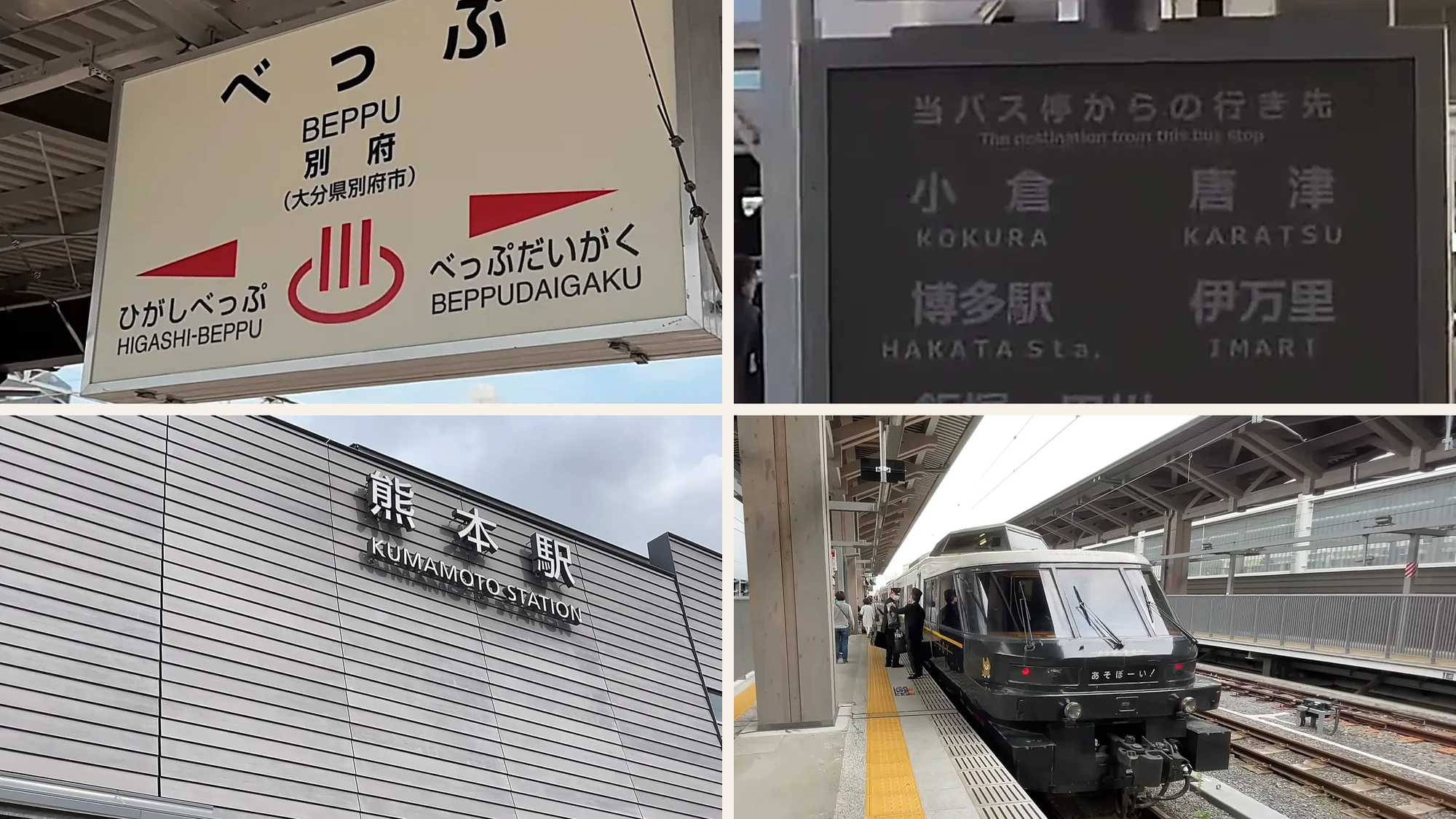
Car-free works here, but it is a chain of timetables. These are the boards the chain is written on.
The journeys in and out lean on the highway bus, and here the last-leg trap decides the arrival: on the Kumamoto side the final local-bus stop is 南小国町役場前 (Minamioguni town hall), ten minutes short of the village by car, so arrange the inn's pickup for both ends, especially arriving after dark. With the 2026 earthquake having thinned some regional services, check the association's live traffic page before fixing any specific bus, at any length of trip.
Getting there from further afield
For travellers building Kurokawa into a wider Kyushu route, the association's matrix reaches beyond Fukuoka and Kumamoto, and the distances reinforce the case for staying over rather than darting in. From Nagasaki, the route runs JR かもめ to Saga, then the 九州急行バス toward Kōsoku-Kiyama and the highway bus onward — a half-day each way.
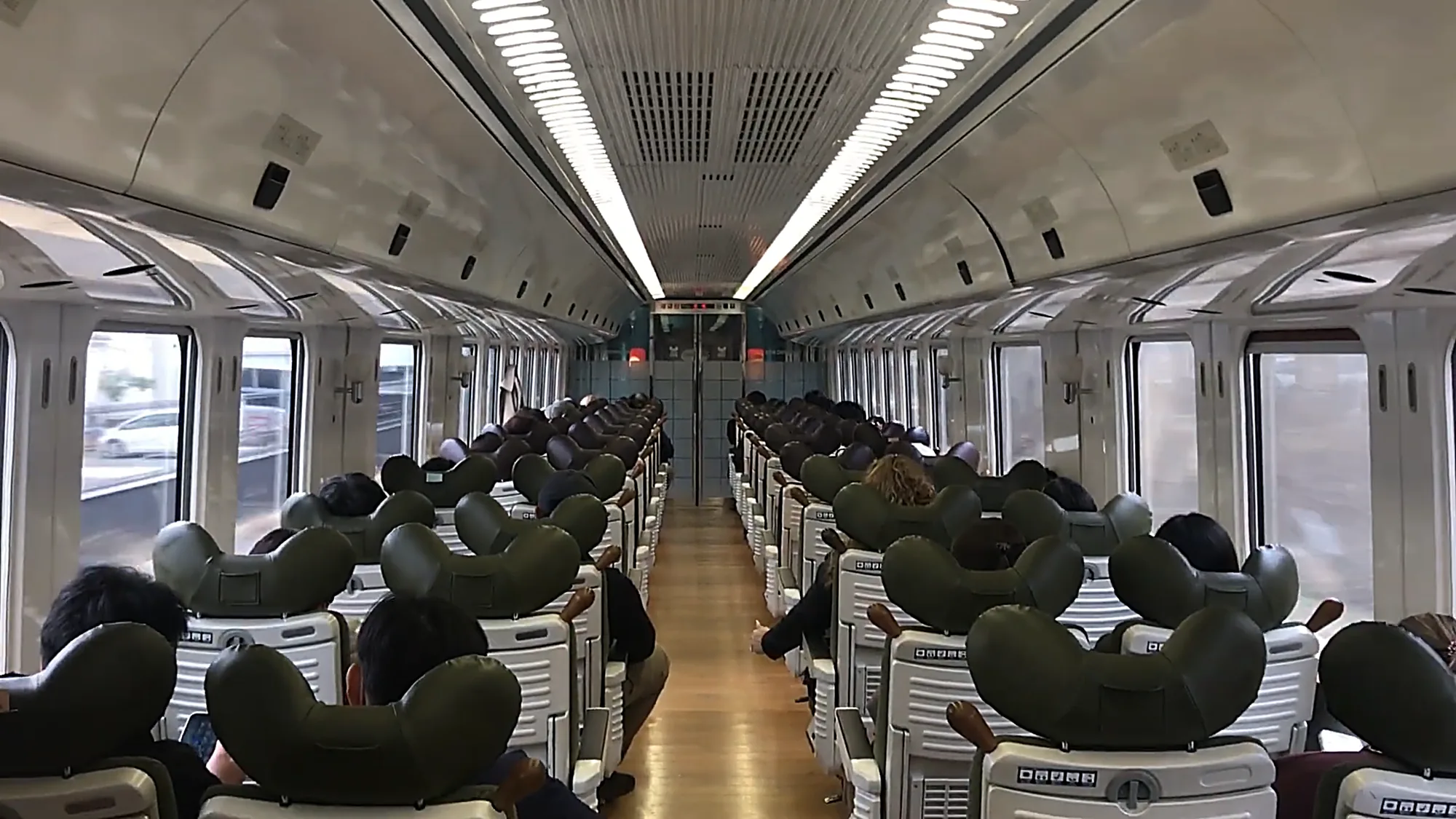
From Tokyo this is a two-leg day. Budget the travel before the nights.
From Kagoshima, the Shinkansen covers Kagoshima-Chūō to Kumamoto in about fifty minutes, then the three-hour Crossing Bus; from Miyazaki, a highway bus of nearly four hours reaches Kumamoto first. From the Ōita side, the once-daily Kyushu Crossing Bus threads Beppu and Yufuin into Kurokawa.
Every one of these approaches spends the better part of a day in transit, which is the arithmetic that makes the day trip a poor trade and the overnight the honest minimum — the further your base, the more the second night earns its place.
Tips
Book one night minimum; the village's best hours are all outside day-trip windows.
Add the second night when the caldera or the full tegata matters; that is its entire job.
Take third nights midweek at quieter houses; weekends price rest poorly.
Two-night guests: confirm the rotated dinner menu when booking.
Whatever the length, arrive by mid-afternoon; late arrival is the one unfixable itinerary error.
Frequently asked questions
How many nights should I spend in Kurokawa Onsen?
Is Kurokawa worth it for just one night?
Can you see Kurokawa in half a day?
Does a third night get boring?

Verified by The Japan Onsen Society
Show all sources
Verified July 7 to 16 and September 6, 2026 by The Japan Onsen Society. Journey times and nearest stations are the association's own; current bus schedules are perishable under the 2026 earthquake reductions and must be re-checked .
Fukuoka 2 hr 45 min · Kumamoto about 3 hr direct · nearest stations JR Aso and JR Hita, about an hour by car → 黒川温泉観光旅館協同組合 access + live traffic kurokawaonsen.or.jp/access/ → verified Sep 6, 2026
VERIFY:
Day-trip window hours per current bus timetables (cross-check access pages)
Menu-rotation claim consistency with 2-day page
No new factual claims otherwise; verify tone/lengths against final published siblings
USD conversions n/a; update any at publish.
Access matrix and journey times (Fukuoka 2h45, Kumamoto ~3h, Yufuin/Beppu Crossing Bus), nearest stations Aso and Hita, the Minamioguni town-hall last-leg gap, altitude ~700 m and the 3–5°C differential, seasonal dates, the few-dinner-seats point, the visitor context → アクセス・よくある質問 (黒川温泉観光旅館協同組合, official) — https://www.kurokawaonsen.or.jp/access/ + https://www.kurokawaonsen.or.jp/faq/ — verified Sep 6, 2026
Live service status under the 2026 Kumamoto earthquake reductions → 天気・交通情報 (組合, official) — https://www.kurokawaonsen.or.jp/weather_traffic/ — check every publish
Tegata mechanics (¥1,500/¥700, three stickers, six-month roll-over validity, 8:30–21:00, 25 baths, one per person, green sticker, 1% conservation levy, per-inn stamps) → 入湯手形 (組合, official) — https://www.kurokawaonsen.or.jp/tegata/ — verified Sep 6, 2026
Per-inn descriptions (Yamamizuki, Shinmeikan cave, Fumoto 立湯 + 8 baths, Yamabiko Senninburo, Ikoi 名湯秘湯百選 + 13 baths, Misato colour-changing, Kurokawa-sō three free private baths) and the ¥12,727–¥122,700 price band → 宿泊 (組合 oyado list, official) — https://www.kurokawaonsen.or.jp/oyado/ — re-verified Sep 7, 2026
Restaurant directory (13 places to eat; reservation-only 褐 and TONKOU; TONKOU dinner for overnight guests; いろり家 open late) → お店 (組合 omise directory, official) — https://www.kurokawaonsen.or.jp/omise/ — verified Sep 6, 2026
The caldera-and-valley sights (Senomoto ranked first of Kumamoto's hundred green landscapes, Nabegataki, Daikanbō, 七滝, 夫婦滝, 清流の森/雀の地獄, ペトログラフ押戸石, 金比羅杉, 竹の熊大けやき), the Kujū range and Chikugo headwaters, 田の原温泉 as a 300-year 湯治場, 満願寺温泉's river bath → 南小国温泉郷 国民保養温泉地 profile (日本温泉協会) — https://www.spa.or.jp/kokumin/1131/ — verified Sep 6, 2026
The 1964 Yamanami Highway boom that faded, the hand-dug cave bath, ~200 signs removed, the 黒川温泉一旅館 slogan, obscurity until 2000, the headless-Jizō founding legend → 新明館の歴史 (Shinmeikan) + 黒川温泉について (組合) — https://shinmeikan.jp/history/ + https://www.kurokawaonsen.or.jp/about/ — verified Sep 6, 2026
Per-hamlet spring map (黒川 simple+chloride · 田の原/満願寺/小田 bicarbonate · 白川 sulphur), the four area spring families, official 適応症/禁忌症 by spring type, 53 lodgings / 2,300 capacity district figure, and the neighbouring hamlets 田の原温泉 and 満願寺温泉 → 温泉地詳細 record + 南小国温泉郷 国民保養温泉地 profile (日本温泉協会) — https://www.spa.or.jp/search_p/detail_p/?F_ID=430260 + https://www.spa.or.jp/kokumin/1131/ — verified Sep 6, 2026
The 源泉かけ流し / 加水 disclosure, the official visitor code, day-use bath norms and posted availability, and where to buy the tegata (member inns / Kaze-no-ya) → よくある質問 + 入湯手形 (黒川温泉観光旅館協同組合, official) — https://www.kurokawaonsen.or.jp/faq/ + https://www.kurokawaonsen.or.jp/tegata/ — verified Sep 6, 2026
Related guides

Trip Planning
Kurokawa Onsen: The Complete Guide
A wooden pass buys three baths from twenty-five. The innkeepers agreed, decades ago, to look like this.

Trip Planning
Worth it?
Kurokawa is not on the way to anywhere. Reaching it takes a bus into the caldera, and it repays the effort only slowly.
Trip Planning
The Nyūtō Tegata Explained
A wooden disc buys any three of twenty-five baths, valid six months. Two stickers can go to baths and the third to lunch.