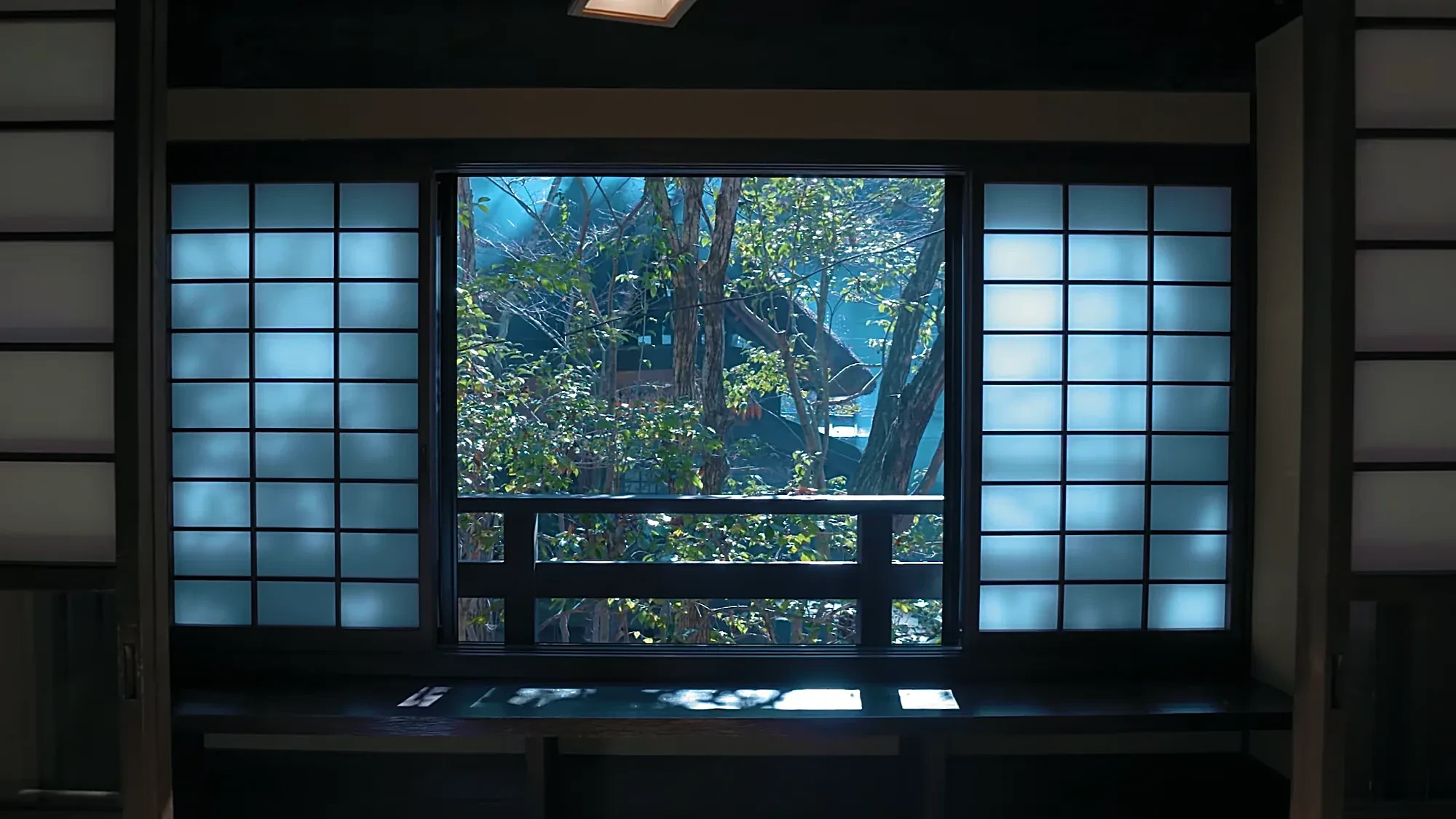
What luxury means here
The village's aesthetic code — no neon, natural materials, nothing tall — pushed its luxury inward rather than upward: seclusion, private water, meals served in the room, and staff ratios that make small inns feel attended like large ones. What you will not find is a marble lobby, a pool, a spa-with-a-menu, or international-brand service theatre; the code forbids the first and the ethos forbids the rest. Kurokawa luxury is the ryokan idea executed at its ceiling, and its currency is privacy per square metre.
What luxury means at ten rooms
The tier's service model deserves explanation, because travellers calibrated to grand hotels misread it in both directions. A Kurokawa luxury inn runs single-digit or low-double-digit rooms, and at that scale luxury is not amenity count but ratio: the same handful of staff greet, serve, remember and anticipate for the same handful of guests, and the product is being known, your arrival time held, your dinner pacing read, your preference from the first evening reappearing at the second breakfast.
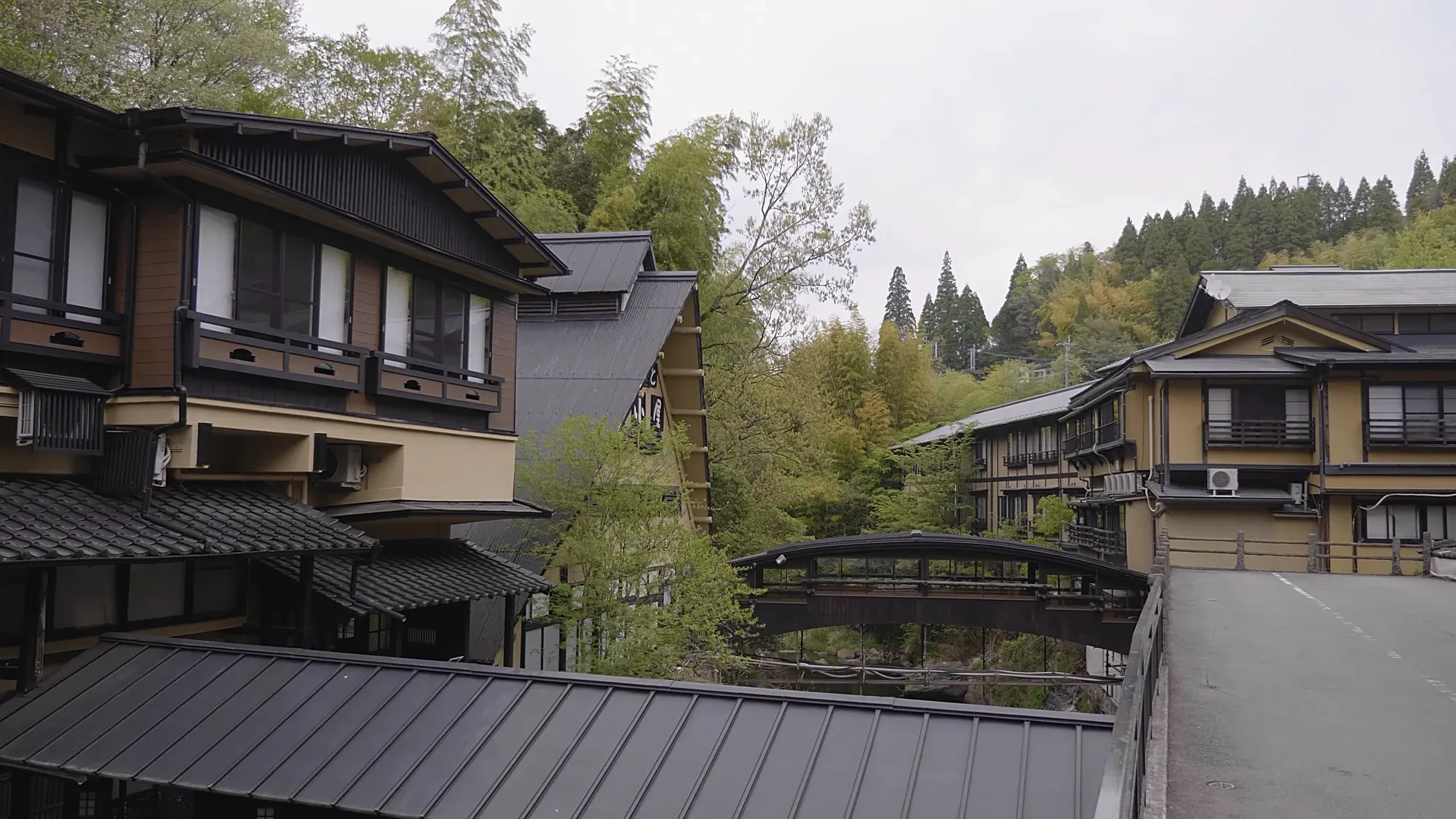
Ten rooms is the ceiling here. Luxury is measured in quiet, not in floors.
What the scale cannot provide, and honest expectation-setting says so, is infrastructure: no spa menus, no concierge desk, no twenty-four-hour anything, no English-fluent front line guaranteed, and a fixed dinner hour whose kitchen cooks one seating superbly rather than a menu all night.
The correct luxury behaviours here are therefore inverted from the grand-hotel script: communicate everything at booking, dietary limits, celebration, arrival, since the anticipation you are buying is built from information; accept the house rhythm rather than requesting exceptions, because the rhythm is the product; and measure the stay by the ratio's outputs, the remembered detail, the unhurried service, the sense of the whole house arranged around your evening.
Guests who arrive expecting the Ritz find a farmhouse; guests who arrive expecting a farmhouse find, at the tier's best, something the Ritz cannot manufacture, which is a house that appears to have been waiting specifically for them.
What each rung of the ladder actually buys
Read the association's bands as a ladder and the purchases become concrete. The step from the village's ¥20,000 core to the ¥30,000 rung, where Miyama Sanso enters, buys distance and darkness: an annexe setting, fewer neighbours, the night sky as an amenity.
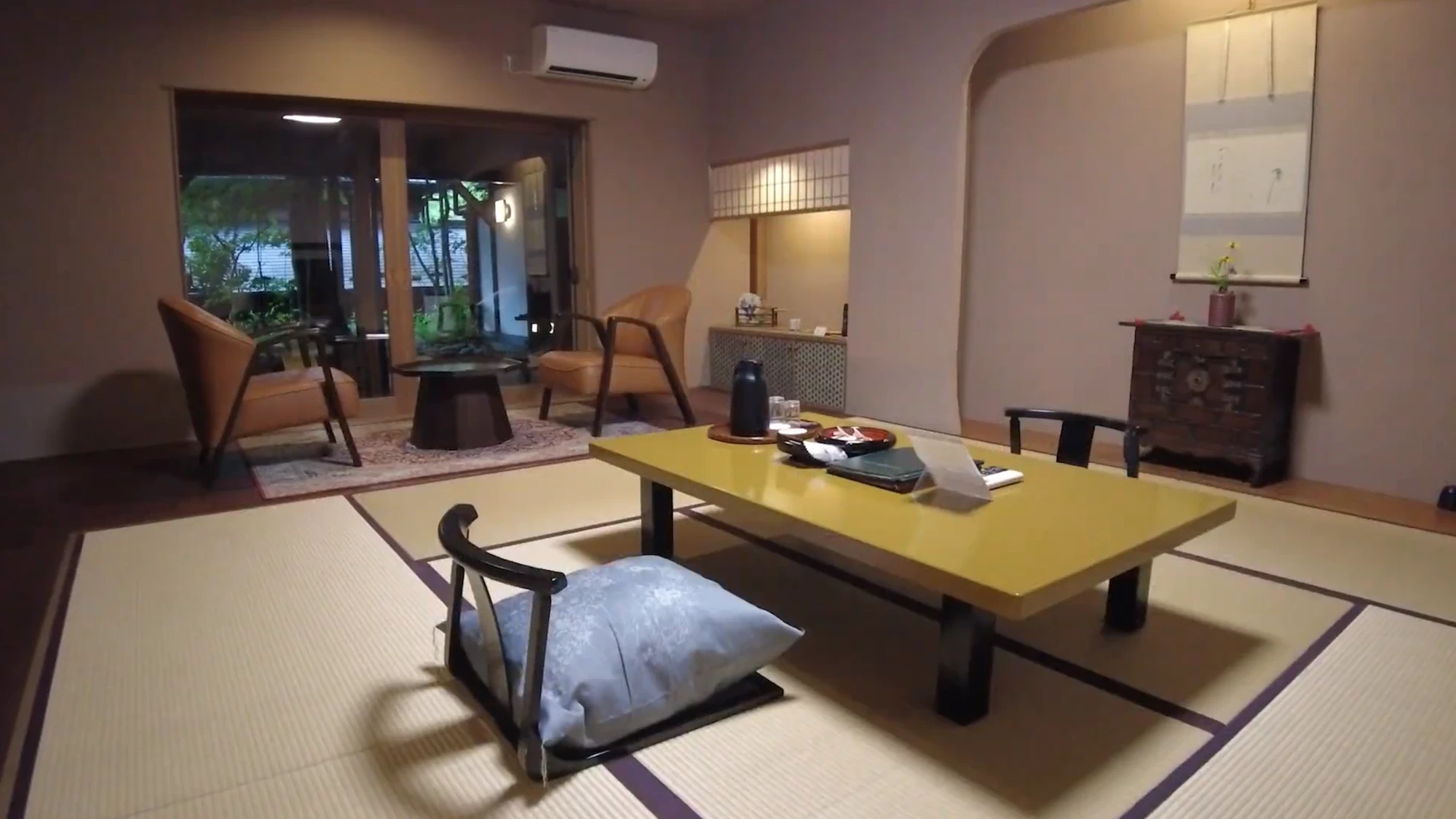
Each rung buys floor space, then privacy, then silence. In that order.
The step to the ¥40,000 to ¥50,000 rung, the premium rooms at Yamabiko, Hozantei, Yamamizuki, Sanga and Okunoyu, buys position inside fame: the best room above the best-known water, with the inn's signature bath effectively yours at dawn and after the day visitors leave. The long step past ¥70,000 to Gekkoju buys the disappearance of the village itself, a self-contained world where the room replaces the town.
What no rung buys, anywhere on the ladder, is spectacle, because the design code that forbids neon and towers forbids marble lobbies just as effectively at ¥122,700 as at ¥12,727. That is the tier's honest sales pitch: in Kurokawa, money purchases privacy, position and quiet, never show, and travellers who want their luxury visible should spend elsewhere and day-trip in.
Hanare: the detached room, the tier's true form
One facet in the association's directory names the luxury tier's architectural soul, and no English guide has noticed it: 離れ, hanare, the detached room, a freestanding guest quarter separated from the main house. The facet exists because the form matters here more than anywhere, and the reason is the village's own founding metaphor.
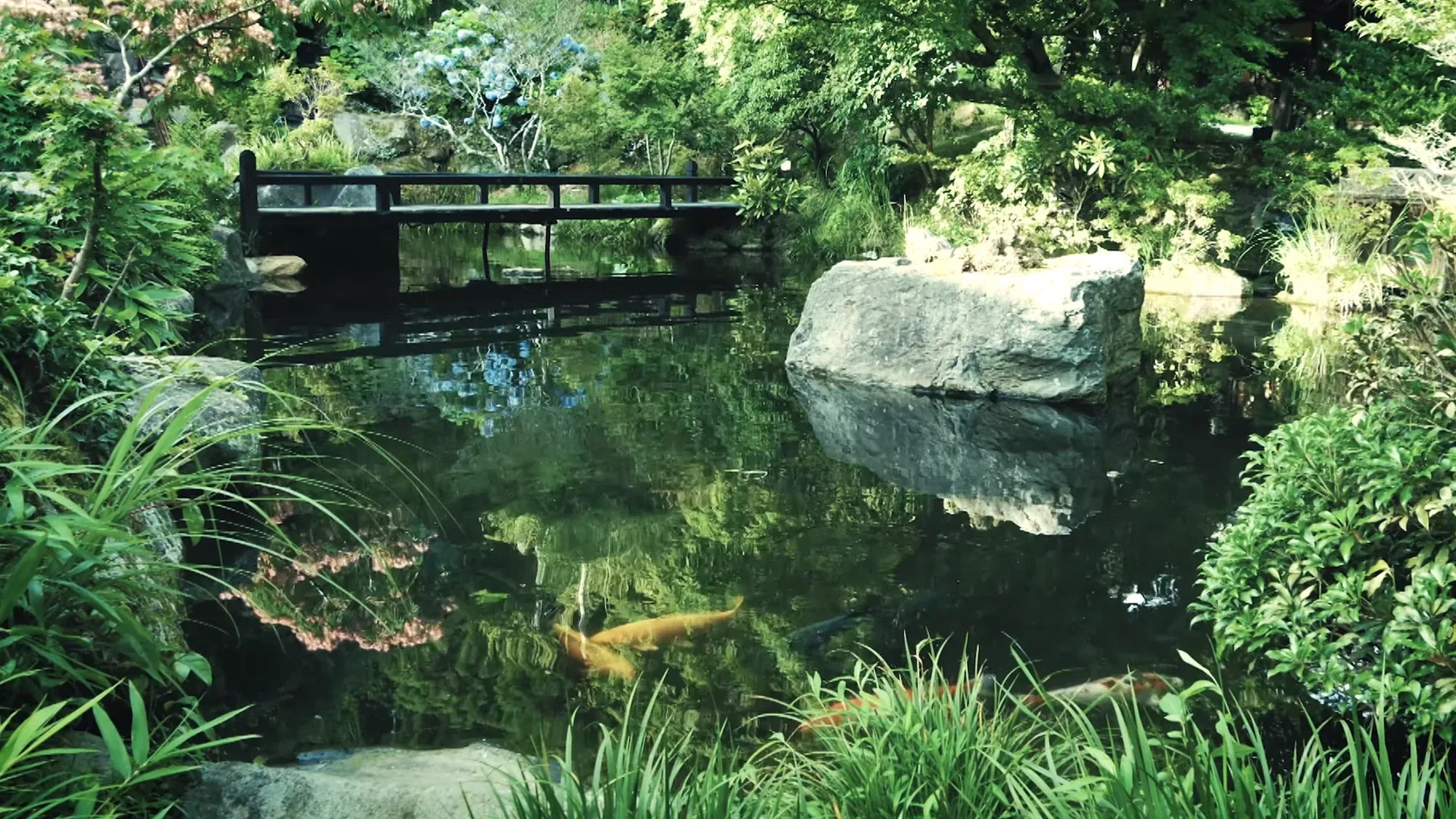
A detached room buys you a garden that nobody else walks through.
Kurokawa calls itself one ryokan whose inns are detached rooms and whose lanes are corridors; the hanare repeats that structure at the scale of a single stay, your own building inside the inn's grounds, connected and apart at once. Functionally the detached room is the mechanism behind most of what the tier sells: the privacy of arrival and occupancy, the in-room bath unshared even by a corridor, the meal served across your own threshold, the silence of no neighbouring wall.
Gekkoju's forest-held world and Miyama Sanso's annexe structure are the form at full expression, and the facet's presence in the general directory says the format reaches below the villa tier too, findable at ordinary inns by filtering rather than guessing, though which houses carry it stays behind the filter as always.
For bookers the facet is the tier's best search term: where the luxury question is really the privacy question, and it usually is, asking for hanare cuts through room-grade vocabulary to the thing itself, a building of your own in a village that invented itself as a building of buildings.
The ceiling: Gekkoju
Gekkoju (月洸樹 黒川) is the top of the association's own price list — ¥69,900 to ¥122,700 per person with two meals (about US$466 to US$818) — and its single line, "held by the forest, held by the moon," sets the register: a secluded world apart from the village, the room itself the destination. It is the natural pick for a milestone where you may never intend to leave the grounds.
The all-suite, every-room-with-a-bath descriptions that circulate come from listings rather than the association's member entry, so we flag those specifics and let the sourced fact — that it is the most expensive inn in Kurokawa — stand on its own.
Miyama Sansō, the quieter suite
Miyama Sansō (山みず木別邸 深山山荘, ¥30,250–35,750) is the calmer alternative at the entry of the luxury band — the same family group as Yamamizuki, set among "birdsong, rice fields, a natural planetarium at night," per the association. Where Gekkoju performs seclusion at the ceiling, Miyama Sansō offers the quiet version a rung down.
The premium rooms at the great houses
The alternative luxury is the best room at a famous bath house rather than a dedicated villa, and it often beats the villa tier for bathing pedigree per yen. The association's own top-of-range figures point to the room to aim for: Yamabiko to ¥50,000 (the Senninburo on the doorstep), Hozantei to ¥46,000 (the headwater inn), Yamamizuki to ¥45,000 (the riverside rotenburo we rank first), and Sanga and Okunoyu to ¥40,000 (silence and grounds). These buy known-great baths and upgraded space without the full villa premium, at the cost of some of a villa's total privacy.
The near-luxury shelf nobody names
Between the great bath houses and the villa ceiling sits a shelf of inns the luxury round-ups skip, and the association's own listings argue they belong in the conversation. Nonohana, at ¥26,000 to ¥35,000 (about US\$173 to \$233), sells the purest version of what Gekkoju sells, silence, promising that the only sound guests hear is the one nature makes, at a quarter of the ceiling price.
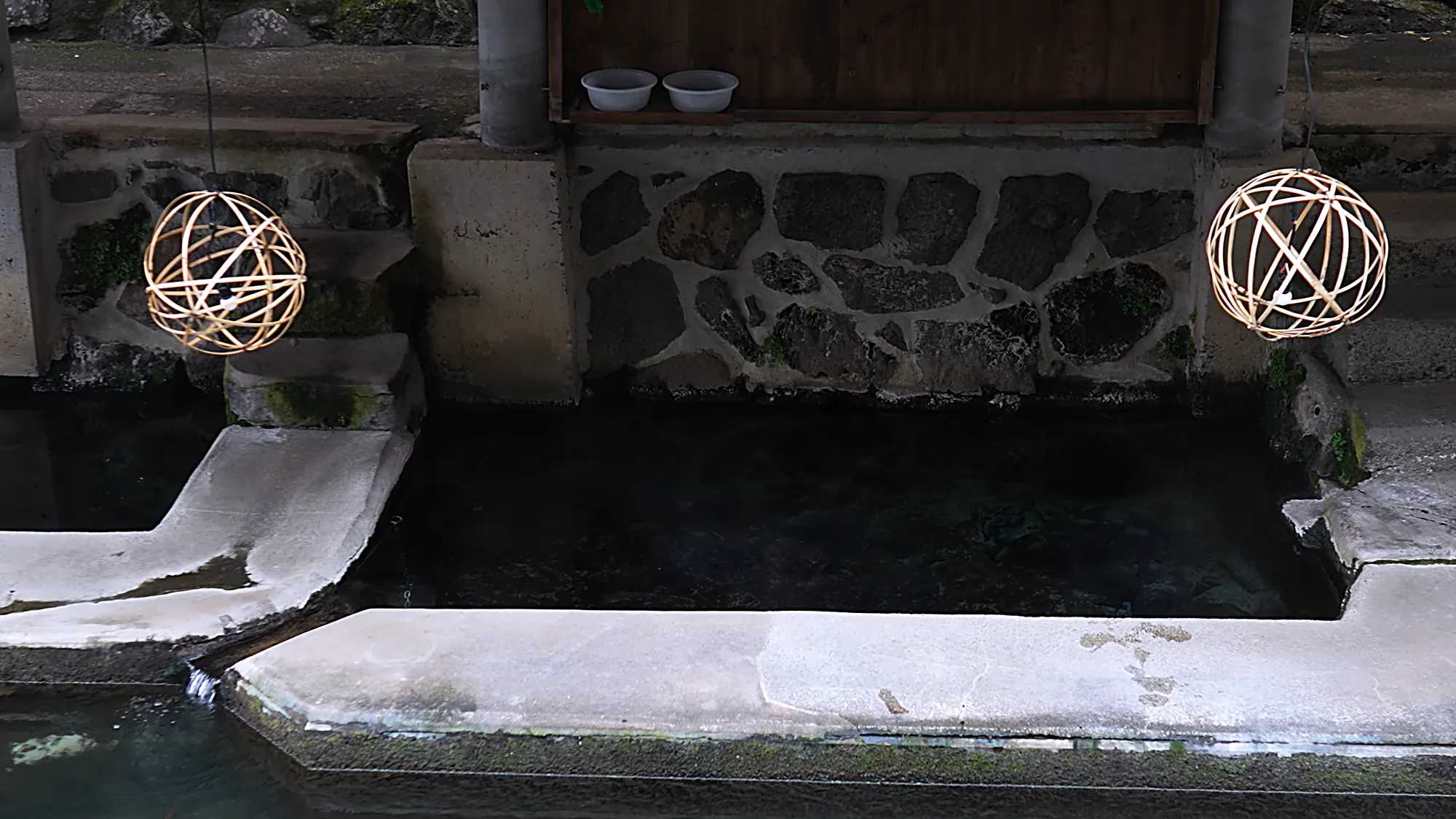
One rung below the famous names, at two thirds of the price.
Noshiyu, ¥24,000 to ¥32,000 (US\$160 to \$213), does luxury as texture rather than seclusion: an old-farmhouse register, wrapped in green, where the premium buys atmosphere thick enough to touch. Kiyashiki's top rooms, in a band running ¥16,000 to ¥32,000 (US\$107 to \$213), buy the high ground and the view over the village's rooftops, the one luxury the valley-floor inns cannot offer at any price.
None of these three appears on English luxury lists, which fixate on the villa tier, and all three deliver a specific luxury, silence, texture, or height, that the money reliably buys. For travellers whose definition of luxury is a feeling rather than a threshold price, this shelf is where the value hides.
The luxury table
At this tier dinner is half the rate, and the record maps the forms it takes. The base form is kaiseki at its ceiling, the same two-meal structure as the village floor executed with the top of the larder, and the tier's bands, ¥30,000 to ¥122,700 (US\$200 to \$818), price that kitchen ambition as much as any room.
The privacy forms sit above it: private dining rooms, documented in Kurokawa-so's listing, where the meal moves behind its own door, and in-room dining, a directory facet in its own right, where the meal crosses your threshold course by course, the hanare format's natural partner and the answer for celebrations that want no audience at all.
And beyond the inns, the village's late-2025 openings added an outside-dining luxury the tier never had: the reservation-only akaushi specialist and the pork house whose evening course admits only overnight guests, bookable as a second-night alternative that turns the stay's dining into a two-act structure, the inn's kaiseki one night, the specialist counter the next.
The luxury table's one discipline is calendar-shaped: every form above sets its menu days ahead, so the tier's food is booked, stated and anticipated, never improvised, and the guest who communicates at reservation eats the version of the village money is actually able to buy.
Privacy without the villa price
Two sourced options deliver the private-bath heart of luxury well below the ceiling. Kurokawa-sō (黒川荘, ¥26,273) gives guests three private baths free with a reservation, plus private dining rooms. Kōnoyu (こうの湯, ¥24,000–35,000) keeps nine rooms with their own valley-view open-air bath. Neither is a villa, and both answer the question most luxury travellers are really asking — a bath of one's own — for roughly a quarter of Gekkoju's ceiling.
Assembling the tier from parts
The villa product can be approximated from the directory's own components at half the spend, and this page owes readers the recipe. Take the privacy from Kurokawa-so, three private baths free with reservation plus private dining rooms at ¥26,273 (US\$175); or take it from Konoyu's in-room rotenburo band; add the premium room at a great house, the ¥40,000 to ¥50,000 (US\$267 to \$333) tops at Yamabiko, Yamamizuki, Sanga, Okunoyu or Hozantei, where the room-grade and the famous water arrive together; add the table by booking the in-room-dining facet or the reservation-only counter for night two; and add the seclusion with geography, Miyama's annexe, Nonohana's silence, the hanare facet where the filter finds it.
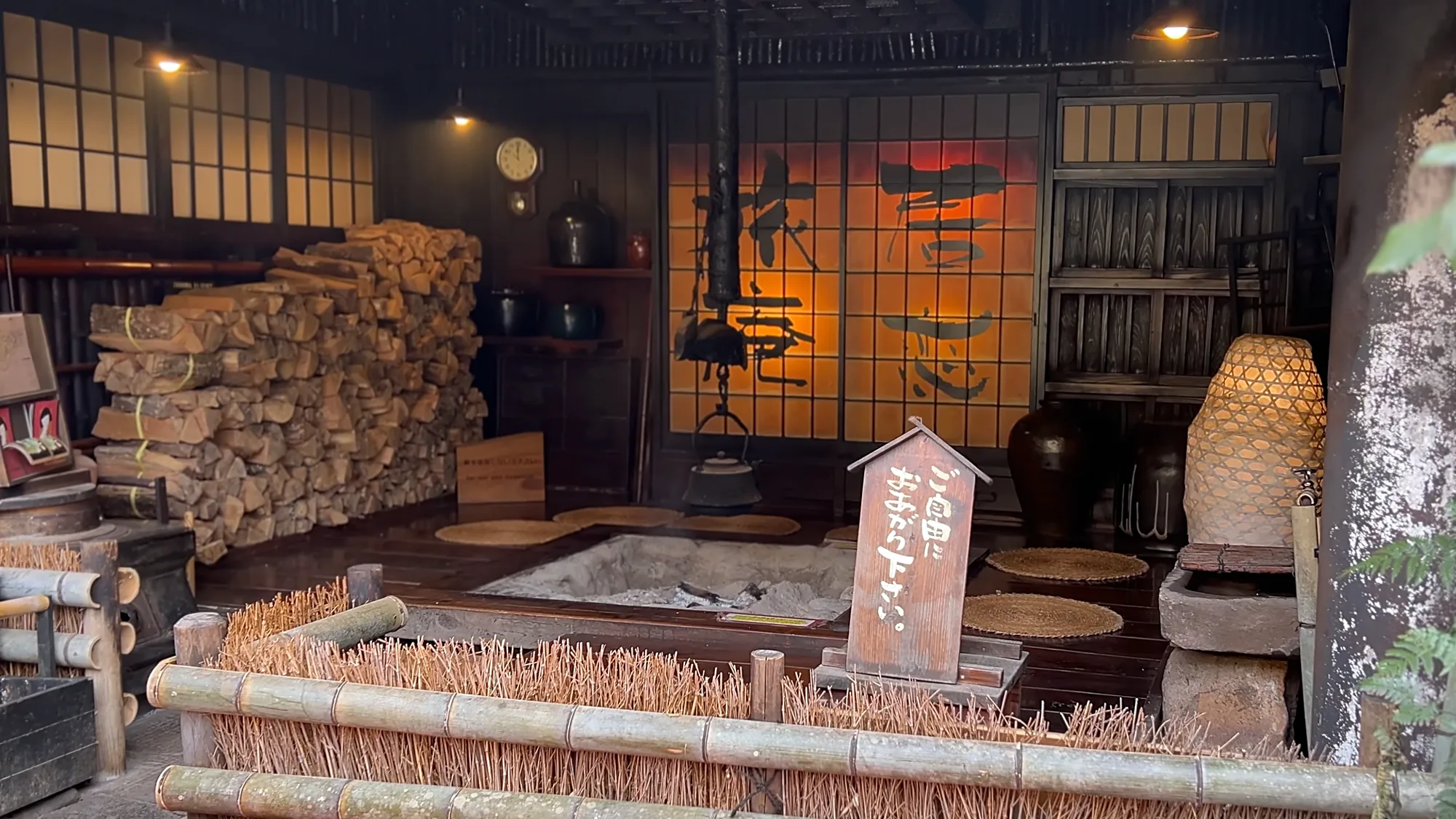
You can buy the luxury stay in pieces, and often should.
The assembled stay runs two nights across one or two houses at a combined spend well under Gekkoju's floor, and delivers, in parts, most of what the villa delivers whole: private water, private table, premium room, engineered quiet. What it cannot assemble is unity, the single self-contained world where every element shares one architecture and one staff, and that unity is precisely what the ¥69,900-and-up band prices.
The choice is honest either way: buy the world, or build the weekend, and the directory's rows fund both plans without a single unverified claim between them.
The economics of the empty band
The documented gap between ¥46,000 and ¥69,900, where the association's directory prices nothing at all, is the tier's most interesting number, and reading it correctly reframes every luxury decision above. Below the gap, the premium rooms at the great houses top out around ¥40,000 to ¥50,000 (US\$267 to \$333), prices set by inns whose economics are the standard field's: shared baths, communal dining rooms, the tegata system, the room premium buying position inside a working village inn.
Above the gap, Gekkoju's floor begins the villa economics: a self-contained world whose costs, land, detached structures, one-to-one service, private water everywhere, cannot be delivered a little bit, which is why nothing exists at ¥55,000, the price point that would demand half a villa. The gap, in other words, is not a market failure but a manufacturing truth: the village's two luxury products are made differently, and the empty band is the seam between factories.
For bookers the seam converts directly into strategy. Spend to the top of the standard field and you buy the efficient frontier, the best room above the best-known water at the highest price the village-inn model can usefully absorb; every yen past ¥50,000 buys nothing until all of them together buy the world.
The traveller torn at ¥55,000 should therefore resolve downward to the ¥45,000 room plus a private-dining dinner, or upward to the villa with intent, and never linger on the seam, where the record says, precisely, nothing is for sale.
A note on Takefue
Takefue (竹ふえ), the bamboo-grove inn that English guides routinely name as Kurokawa's marquee luxury address, was not in the association member table we read. It may sit in the untruncated tail of that list or outside the association; either way we will not print sourced prices or room specifics for it until it is pinned to a Japanese primary, and any figure you meet for it elsewhere should be treated as unconfirmed.
What we would need to rank the villa tier properly, stated plainly
This page's transparency section, updated for the second pass, item by item. To rank the villa tier as thoroughly as this site ranks the standard field, four records would need to exist in our sources and do not. The association table's alphabetical tail, where any member listed after Yusai awaits capture, Takefue's membership status with it; until then the bamboo-grove name English guides lead with has no sourced band, descriptor or phone on this site.
Gekkoju's plan-level detail, suite configurations, dining forms, occupancy terms, which its band and one-line listing cannot carry and which only its own materials or a direct conversation supply. The per-inn facet map, behind the directory's filter, which would let us say which houses carry hanare, in-room dining or barrier-free access by name instead of by method. And current-year rates at the premium rooms, which the indicative bands bracket but do not quote.
Every luxury verdict above is built despite those gaps, from the rows that do exist, and each gap closes the same way, one browser session or one phone call at the numbers this site already prints. Readers planning five-figure-yen-per-night stays should make that call; pages that pretend to have made it for them are the reason this section exists.
Choosing within the tier
The ceiling, money aside: Gekkoju. Quiet suite comfort a rung down: Miyama Sansō. Bathing pedigree with luxury trim: the top rooms at Yamamizuki, Yamabiko or Sanga. A private bath of your own at the tier's entry price: Kōnoyu, or Kurokawa-sō's three free baths. It all books on the same tight calendar, so decide by register, hold two options, and move when dates open. One honest caveat: at this tier the village's communal pleasures — the tegata stroll, the lantern lanes — compete with your own room, and couples who never leave the grounds have not wasted the trip.
A milestone stay, composed end to end
The tier exists for occasions, so here is one composed from the documented parts, adaptable to anniversary, proposal or the birthday with a zero in it. Book four to six months out, by conversation, stating the occasion in the first message; choose the cocoon, Gekkoju's band if the budget reaches it, Miyama Sanso's if the darkness and the ¥30,250 to ¥35,750 (US\$202 to \$238) band fit better, or the assembled version below.
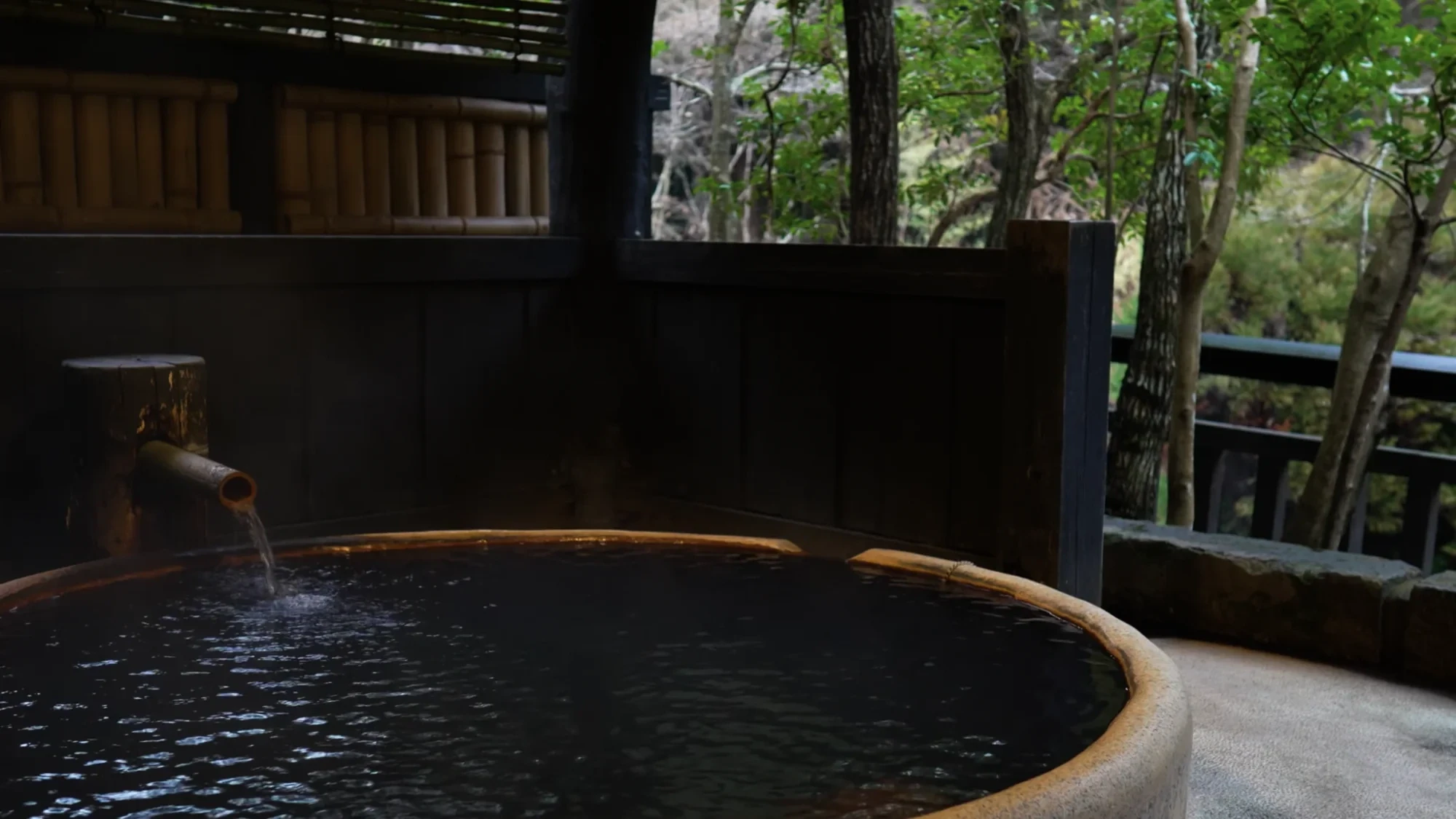
If it is an anniversary, this is the shape the evening should take.
Time it to a window: inside Yuakari for the lantern walk, or a new moon for the planetarium sky, or early November if the gorge's colour is the backdrop the occasion wants. Arrive by mid-afternoon and privately: the tier's inns handle arrival quietly, and the hanare format means no lobby moment unless you want one.
Let the first evening run the house script, bath, kaiseki, the lit walk, the late soak, and hold the occasion's set piece for the second morning or evening, when the place is familiar enough to disappear behind the moment; a reserved private hour, the in-room rotenburo at dawn, or the private dining room's second dinner all serve.
Build one excursion at most, the caldera rim or the five-springs loop, since the tier's product is unhurried time and an itinerary spends it. And book the return before you leave, inside the tegata's six months, because the record's quiet truth about milestone stays is that they convert, more reliably than any other trip type, into traditions.
Arriving at the tier
One logistical note completes the tier's picture, because luxury bookers habitually over-assume the arrival. The village's transport is the village's transport at every price: the same direct buses, the same shuttle-by-arrangement from the stop, the same visitor-code parking rules that bar the roadside to a ¥122,700 suite guest exactly as to a day-tripper, and no helipad clause anywhere in the record.
The tier's arrival luxuries are therefore informational, not vehicular: the inn told your bus and your hour, the pickup waiting, the walk from car to threshold measured in metres at the hanare houses, and, for drivers, the certainty of the inn's own lot at the end of the caldera roads. Book the arrival like the room, in the same message, and the tier's first performance, the door that opens as you reach it, happens on schedule.
The tier through the seasons
Luxury's seasonal logic differs from the general calendar's, because at this tier the room competes with the village, and the seasons decide which wins. Winter is the villa's season: the self-contained world is at its best exactly when the walk between anywhere and anywhere costs the most, the in-room water and across-the-threshold dinner converting the cold from obstacle to backdrop, with the Yuakari walk as the one scheduled excursion the cocoon happily permits.
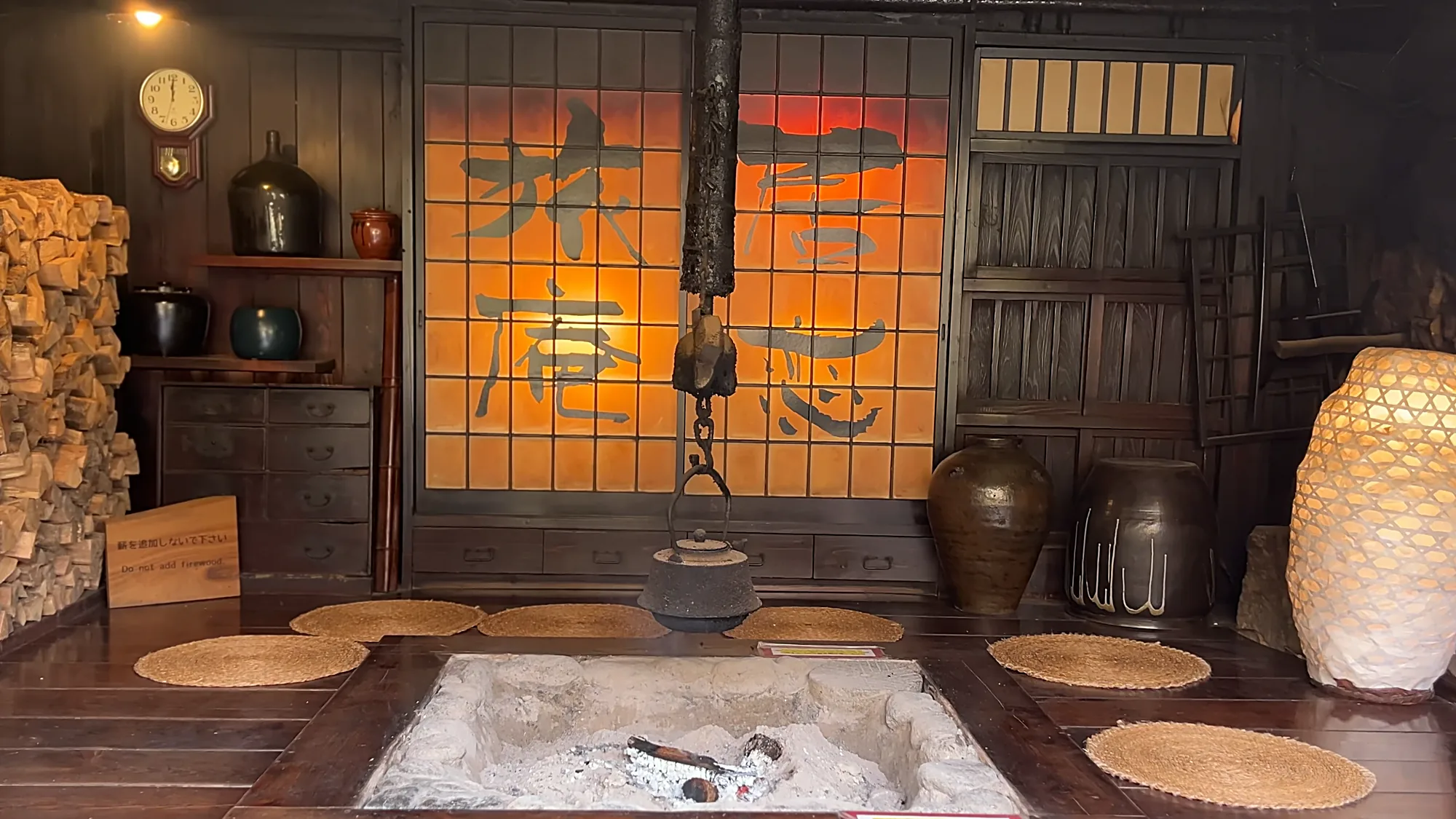
The top tier earns its price in winter and struggles to in June.
November belongs to the premium rooms instead: the fortnight the gorge burns is the fortnight position inside the village peaks in value, and the ¥40,000-to-¥50,000 rooms above the famous water, booked in high summer, are the season's true luxury product, the villa's seclusion competing badly against a view every window in the centre carries. Summer is the highland's turn, Senomoto's horizon and Miyama's dark sky performing while the valley floor runs warm, the tier's rare season where altitude outbids architecture.
And the green seasons are the assembled weekend's moment, the parts strategy above priced at its gentlest, private baths and premium rooms bookable on short notice, the luxury of ease standing in for the luxury of scarcity. The cross-season rule the tier obeys: book the villa for the seasons that punish walking, the premium rooms for the seasons that reward position, and the assembly for the seasons nobody fights over, which is how one budget can afford to learn all three.
Booking the tier: three practical truths
First, the inventory is tiny in absolute terms. The whole luxury tier, villa and premium rooms together, holds fewer beds than a single city hotel floor, so the booking lead is not caution but arithmetic; four to six months for a milestone date is realistic, and November and Yuakari weekends vanish first.
Second, direct contact outperforms platforms most at exactly this tier, because the specifics that define a luxury stay, which suite, which bath, which dining room, private-dining availability, are plan-level details the association's indicative bands do not carry; the listings' own caveat, that final prices come from each inn's plans, is truest at the top. Write or call, ask for the details in writing, and let the inn match the room to the occasion. Third, remember what surrounds the room.
A tier that competes with the village can also be paired with it, and one villa night plus one centre-of-the-lanes night remains the best-designed luxury itinerary Kurokawa offers, because it buys both of the things the money is for, the cocoon and the town, in their best versions.
The questions luxury bookers actually ask, answered honestly
Three questions arrive with every tier enquiry, and the honest answers are methods rather than promises. On deposits and cancellation: Japanese luxury inns commonly take cancellation seriously and on shorter fuses than international hotels, sliding charges in the final week being standard practice nationally; the specific policy is plan-level, stated at booking, and this page prints none because none of our sources carries one, so the method is to read the plan's terms in the booking reply and to treat the earthquake-era flexibility note on the stay page as the reason to prefer plans whose terms you have actually read.
On children: the tier divides by architecture, the hanare format being genuinely family-suited, a detached building absorbing family life no shared-corridor inn can, while some occasion-focused houses set age policies we cannot enumerate; the method is one sentence in the first enquiry, ages stated, and the answer will be plain.
On privacy of the occasion itself, the proposal, the reunion, the quiet celebrity week: small inns keep confidences by structure, staff counted on one hand, no lobby, no public dining unless chosen, and the hanare format again doing the heavy lifting; the method is to state what matters, privacy included, at booking, because the tier's entire service model, as the ten-rooms section says, converts information into anticipation.
The pattern across all three: at this price the phone call is not a chore before the luxury, it is the first act of it, the moment the house begins arranging itself around your stay.
The luxury answer, in one passage
For the reader who wants the tier settled in a paragraph: Kurokawa's luxury runs on seclusion and private water, never spectacle, because the village's design code forbade the marble the money would buy elsewhere. The documented ceiling is Gekkoju at ¥69,900 to ¥122,700 (US\$466 to \$818) per person with two meals, the self-contained forest world; the quieter suite tier is Miyama Sanso at ¥30,250 to ¥35,750 (US\$202 to \$238); the efficient frontier is the ¥40,000-to-¥50,000 premium rooms at Yamabiko, Yamamizuki, Sanga, Okunoyu and Hozantei; and the privacy bargains are Kurokawa-so's three free reservable baths with private dining at ¥26,273 (US\$175) and Konoyu's nine in-room rotenburo rooms from ¥24,000 (US\$160).
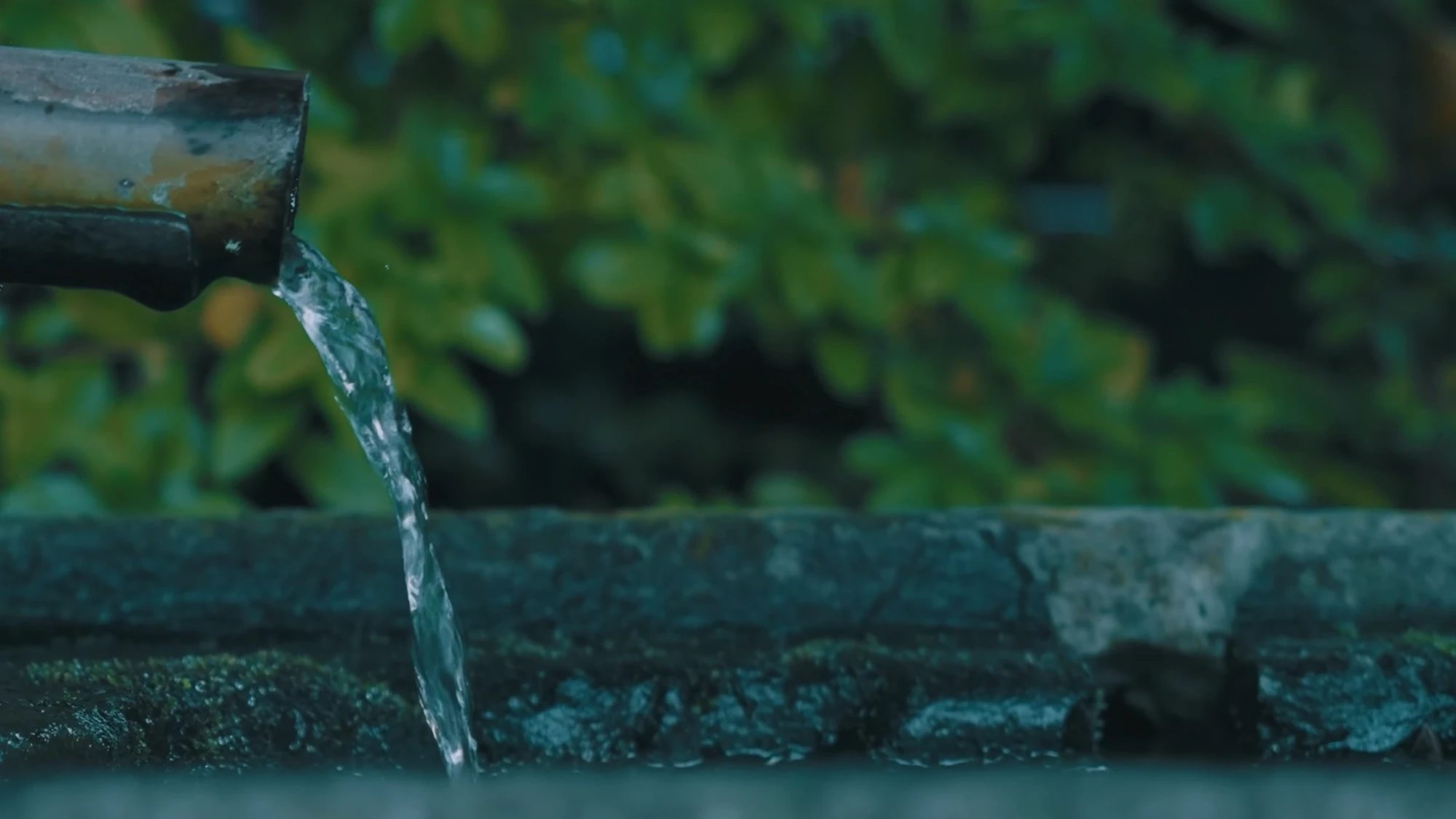
The water arrives the same way at every price. Remember that before you book.
Book by conversation four to six months out, state the occasion, filter for hanare where privacy is the point, and spend either to ¥50,000 or past ¥69,900, never between, because between, the village sells nothing.
Tips
Book milestone dates four to six months out; the tier's room count is tiny.
Confirm private-dining arrangements when booking if that defines luxury for you.
Ask for bath details in writing: size, temperature control, and privacy sightlines vary by room.
Pair one villa night with one village-center night to get both Kurokawas in a single trip.
Yuakari-season weekends at this tier are the first bookings in the village to vanish.
Frequently asked questions
What is the most luxurious ryokan in Kurokawa Onsen?
How much does luxury cost in Kurokawa?
Is Kurokawa's luxury tier worth it over a standard ryokan?
How far ahead must you book?

Verified by The Japan Onsen Society
Show all sources
Verified July 7 to 16 and September 6–7, 2026 by The Japan Onsen Society. Gekkoju's ¥69,900–122,700 ceiling, Miyama Sansō, the premium-room top-of-range figures, and Kurokawa-sō's three free private baths are the association's own member listing (K5); Kōnoyu's nine in-room-bath rooms are from kashikiri-onsen.com. "All-suite / every-room-bath" villa specifics and Takefue's figures are listings-sourced and NOT confirmed against the association table — flagged . The per-inn facet map is unpinned; no facet is asserted for a named inn.
Gekkoju ¥69,900–122,700 · Miyama Sansō ¥30,250–35,750 · premium tops (Yamabiko ¥50,000, Hozantei ¥46,000, Yamamizuki ¥45,000, Sanga/Okunoyu ¥40,000) · Kurokawa-sō 3 free private baths → 黒川温泉観光旅館協同組合 oyado list kurokawaonsen.or.jp/oyado/ → verified Sep 7, 2026
Kōnoyu 9 in-room open-air baths → kashikiri-onsen.com
VERIFY:
Takefue: whether an association member; villa/private-bath configuration; rate band — not in the table read, pin to a Japanese primary before printing figures
Gekkoju all-suite / every-room-bath claims — listings-sourced, confirm on a primary
(Honest length note: the sourced luxury material is genuinely thin — the association gives prices and one-liners, the facet map luxury depends on is unpinned, and Takefue is unsourced — so this lands under target rather than padded with unverified villa detail.)
Gosho Gekkoju: all-suite + all-open-air-bath claims, rates
Yamamizuki/Sanga/Okunoyu premium room categories current
Kounoyu positioning as tier entry
"Design code pushed luxury outward" framing — editorial; fine, but confirm ordinance details on the revival/history page
Private-dining availability per property
USD conversions assume ~¥150/$1. Update ¥→USD at publish.
黒川温泉観光旅館協同組合 お宿一覧 (Kurokawa Onsen Ryokan Co-operative Association, member inn directory) - every price band and self-description in the near-luxury and ladder sections: Nonohana, Noshiyu, Kiyashiki, Miyama Sanso, the premium-room tops, Gekkoju's ceiling, and the plans-set-final-prices caveat, re-verified September 7, 2026
黒川温泉観光旅館協同組合 について (about page) - the design-restraint context behind the no-spectacle framing, verified September 6, 2026
黒川温泉観光旅館協同組合 お店一覧 (shop directory) - the reservation-only kitchens and the overnight-guests-only evening course in the luxury table, verified September 6, 2026
黒川温泉観光旅館協同組合 入湯手形 (tegata page) - the six-month validity behind the milestone return, verified September 6, 2026
Related guides
Where to Stay
Where to Stay: Ryokan Guide
Every Kurokawa bed is a ryokan with dinner, from ¥12,727 to ¥122,700. Choose by setting and budget; the tegata gives everyone the baths.
Where to Stay
Best ryokan
Ranking the inns misleads: the tegata gives you the other baths anyway, so the real question is which room, in which setting, at which price.

Where to Stay
Kurokawa Onsen: The Complete Guide
A wooden pass buys three baths from twenty-five. The innkeepers agreed, decades ago, to look like this.