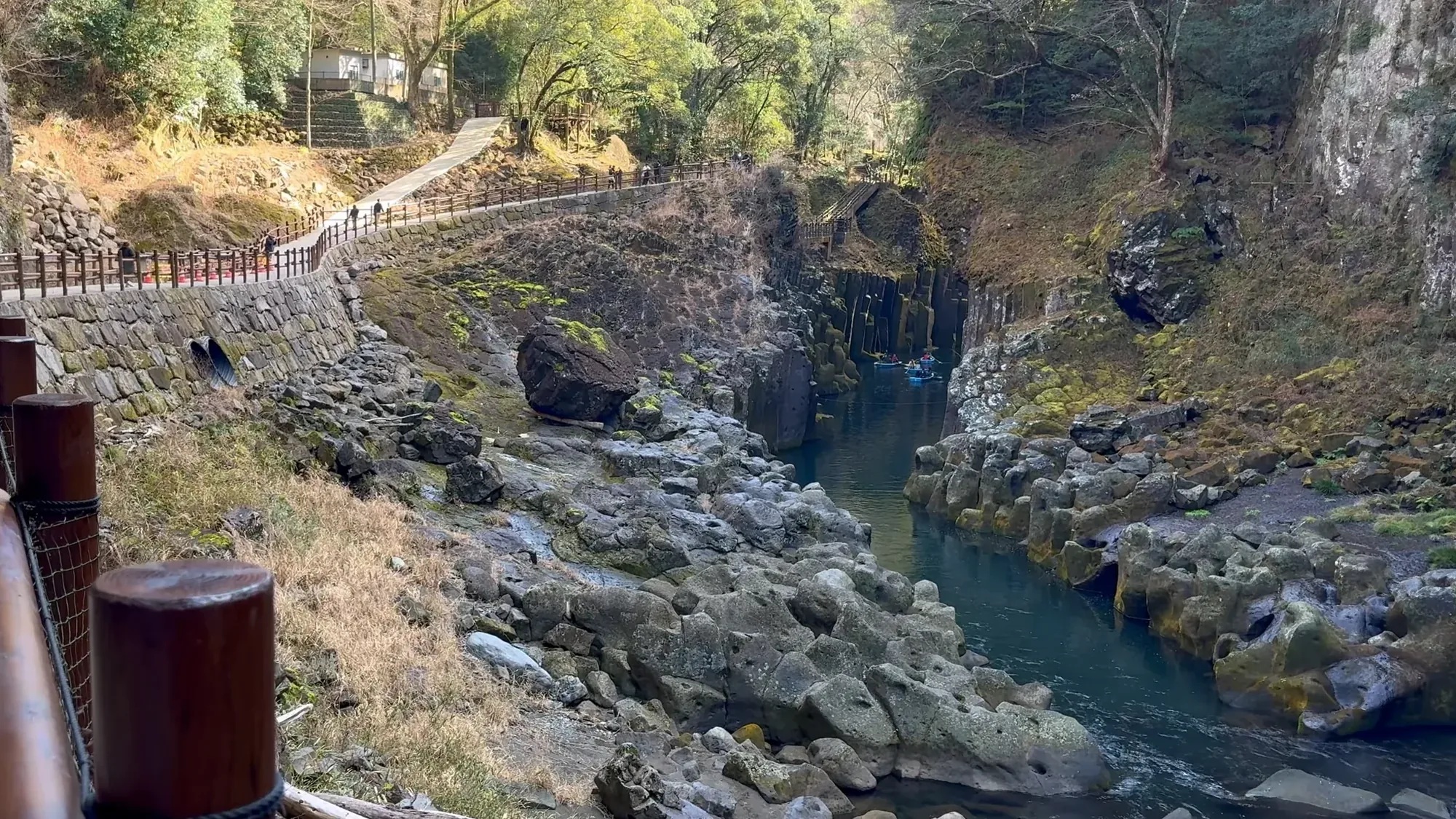
The stroll, which is the point
The village's core experience outside the water is the walk through it: stone lanes and bridges over the Tanoharu River, steam drifting from inn gates, uniform carved-wood signs, guests in yukata and geta after dinner. The full circuit takes twenty minutes and deserves two hours. Walk it three times — afternoon for the shops, dusk for the lamps coming on, after 9 pm when it empties — and you will have taken in the town's main attraction correctly.
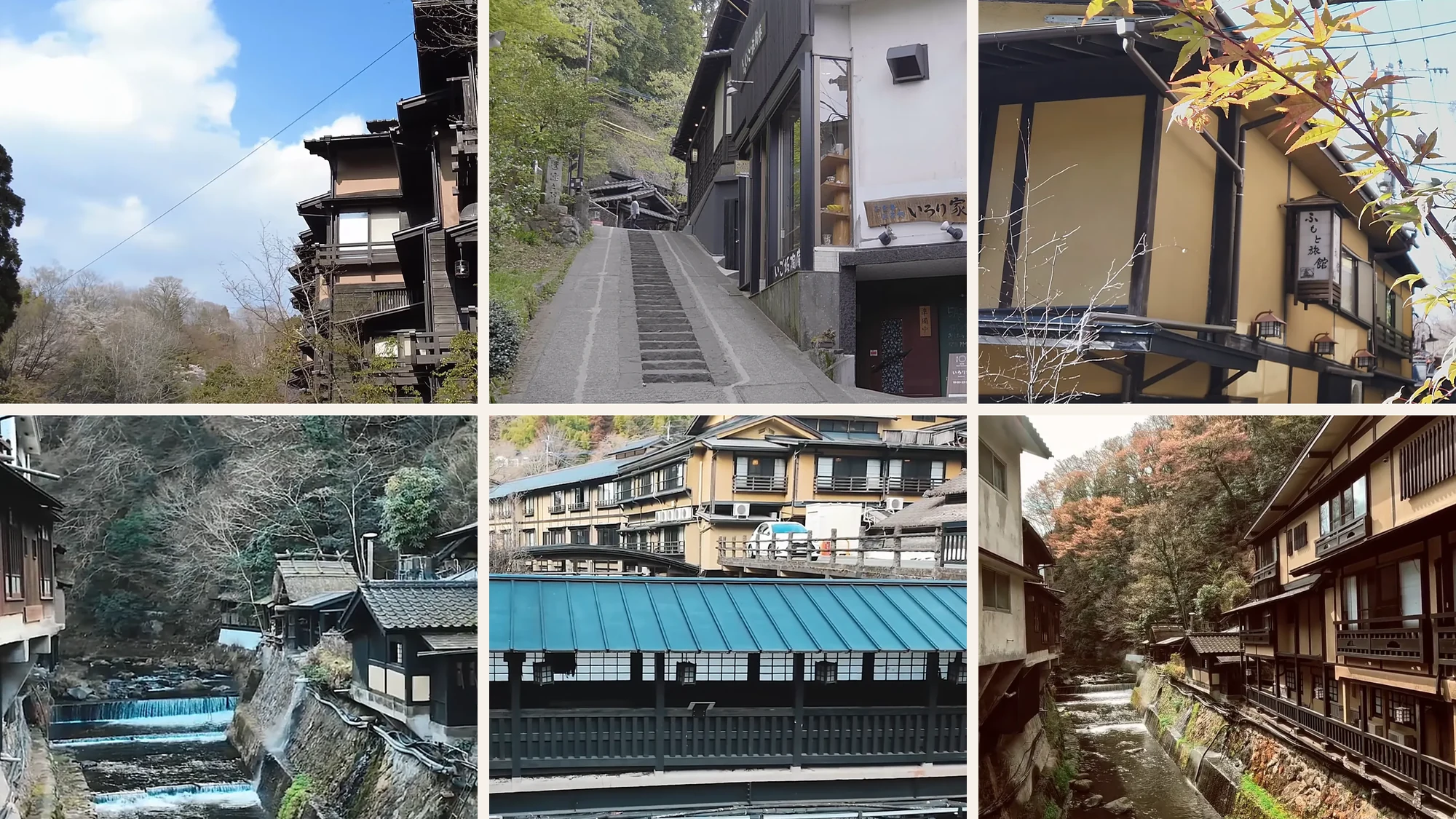
Thirty inns, one river, and about twenty minutes end to end. Walk it once before you plan anything.
In winter the Yuakari lanterns turn that same walk into the region's best free show, and from June to September the Kasa Andon parasol-lanterns do a gentler version of the same trick.
Walking for its own sake
Between the lane stroll and the driving excursions sits the middle distance, walking as the day's actual activity, and the village supports it better than its size suggests. The association fields walking and hiking questions often enough to answer them as a category, and the honest local summary is this: the immediate valley offers riverside and lane walking measured in gentle minutes, the slopes and stairways add short sharp climbs to viewpoints over the rooftops, and the serious legwork lives in the surrounding highlands, where the grassland and caldera country carry real trails for properly shod walkers.
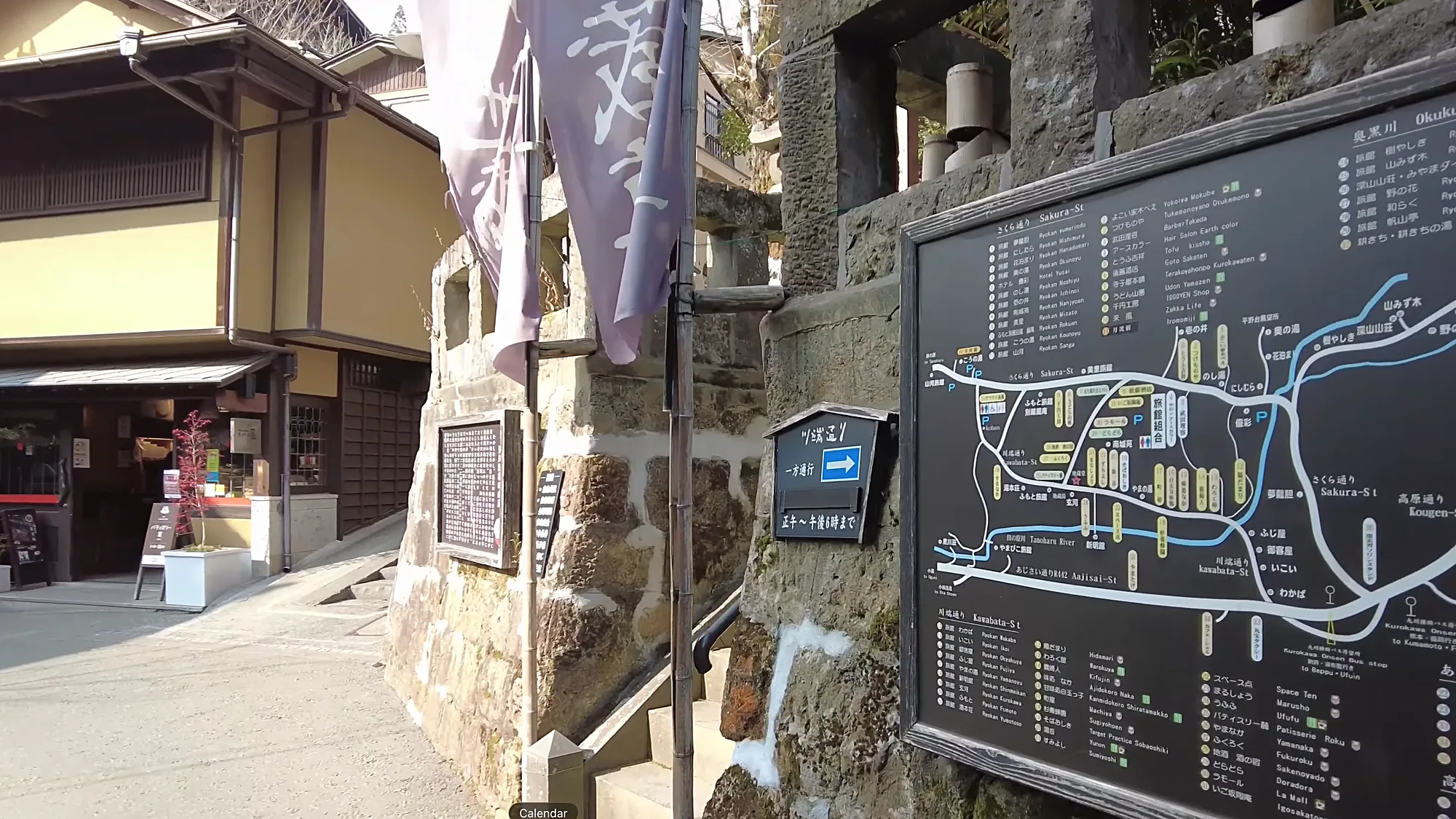
Start by walking it once with no plan. The map makes more sense afterwards.
The craft of a walking day here is matching ambition to footwear and daylight, and confirming conditions morning-of, exactly as with the baths; the association's enquiry channels and your own inn's front desk are the right sources for the day's actual options, and this page will not invent trail specifics they should give you fresh. What we can promise is the walking's quality of attention.
The same design code that makes the lanes photogenic makes them walkable, nothing shouts, so the eye rests, and the bathing rhythm gives every walk a purpose and a reward, out cold, back warm. The classic pattern is one climb for the view in the morning energy, the lanes at graze pace through midday, and the riverside in the late light.
Walkers who need summits should build the highland day trip; walkers who need loveliness per step can stay inside the village boundary all trip and never run out.
The three walks, and a no-bath day
For legs that want more than lanes, the village marks three short walking routes starting from the centre, mapped at the Kaze-no-ya information house, none needing wheels; the association's own FAQ fields the where-can-I-walk and can-I-hike questions daily, which tells you how normal the request is.
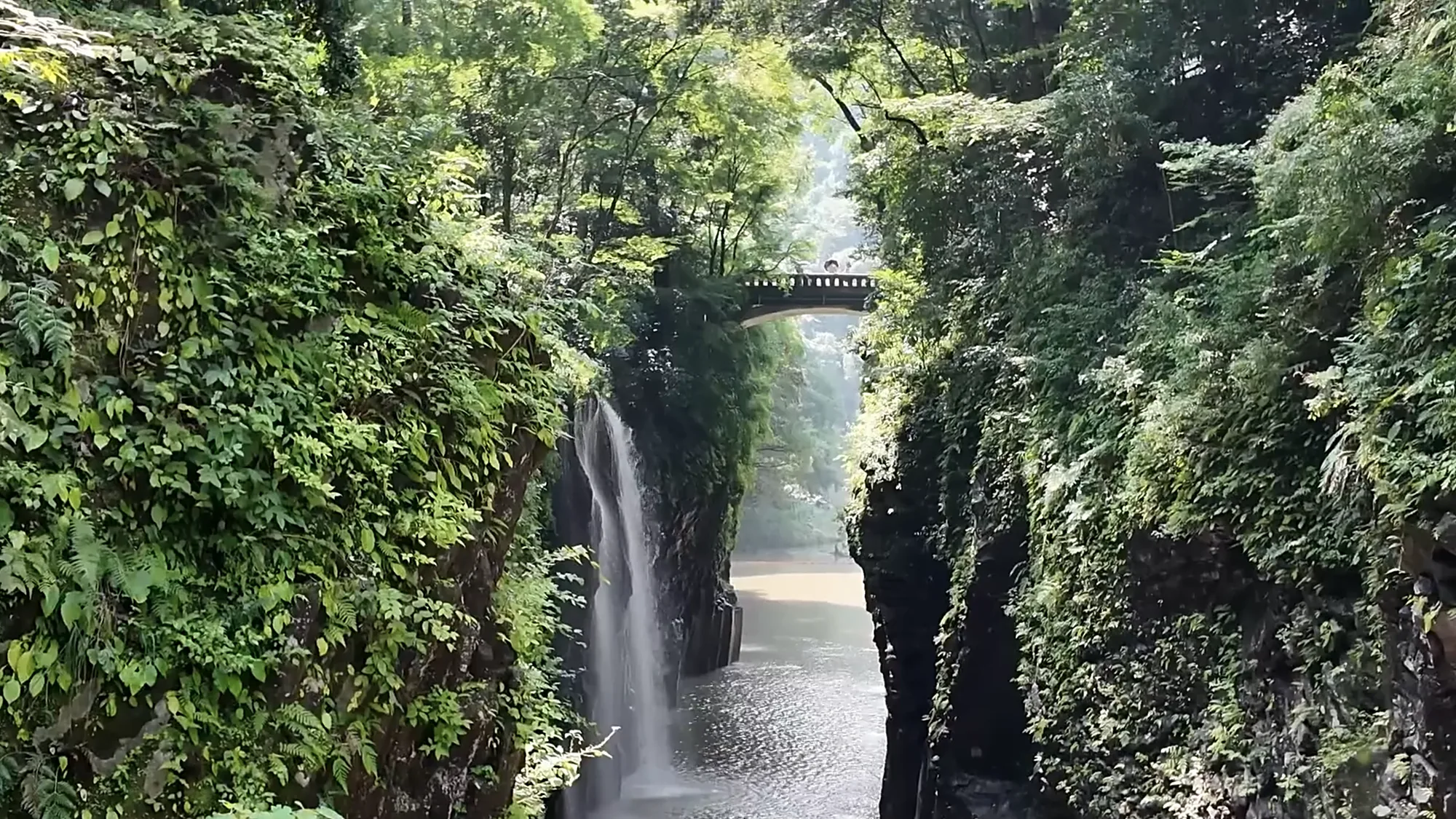
There is a whole day here that never puts you in the water.
And for the traveller who does not bathe at all, the honest no-bath day assembles surprisingly well: the full lane circuit in the morning while the light is low, the craft shops and the dessert circuit through midday, a footbath by the river, which asks only bare feet, the Jizo hall and its legend, one marked walking route in the afternoon, and the lantern or parasol lights after dark in their seasons.
Add lunch at one of the directory's counters and the day fills without a single changing room. The village would gently note, through its whole design, that the bath is the point; but it built everything else well enough that the point is optional, which may be the most confident thing about it.
The case for the unscheduled day
The most useful thing this page can add to its own lists is permission to ignore them, because Kurokawa's highest-value activity is the village practised slowly, and travellers trained on city itineraries routinely over-program it. Consider what an unscheduled day here actually contains: three baths, each in a different setting, chosen morning-of from the daily board; the lanes walked at the pace of the slowest shop window; a stream-side dumpling, a hearth-cooked lunch, a soft-serve earned by a staircase; the shrine at the centre with its wall of retired wooden discs; an hour's sleep between the afternoon bath and dinner; the kaiseki procession; the lantern or parasol walk in season; and the last soak under the sky before bed.
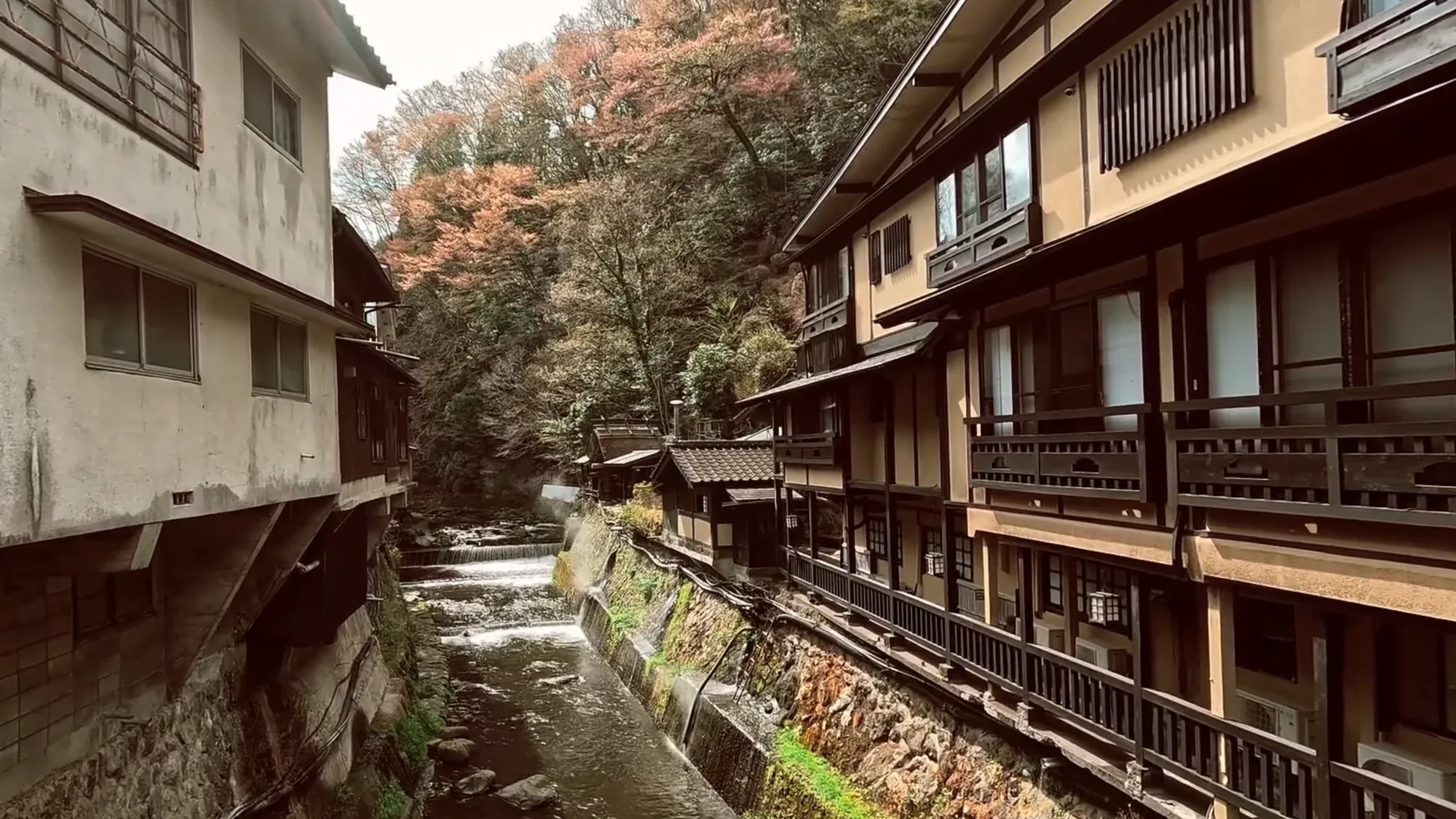
The unscheduled day is the one people describe when they get home.
Written out, that is nine distinct experiences, none requiring a reservation, a ticket or a vehicle, and the day that contains them all will be remembered as full, not empty. The village was engineered for exactly this: the design code removed the visual noise that makes strolling tiring, the tegata converted walking into a game with stamps, and the illuminations gave the evening its own destination.
So the honest structure for a two-day visit is one day of genuine plans, the excursions and reservations below, and one day deliberately left blank, in that order or reversed by weather. Travellers who leave without a blank day have seen the village's sights and missed its subject, which was never the sights. It was the pace.
The small sacred and the free
At the village centre the little Jizō-dō anchors Kurokawa's founding legend, the tale of the headless substitute-Jizō from which the village takes its origin — a poor salt-seller, a sick father who craved a melon, a landowner's blade, and a stone Jizō that loses its head so a boy keeps his. It is a short, quiet stop at the middle of the lanes, and the two communal bathhouses tied to the same legend, Jizō-yu and Ana-yu, sit near it. Two free riverside footbaths handle the bath-curious and the bathed-out alike, and the benches below the bridges are the town's unticketed theatre.
Shops, crafts, and the snack circuit
Igo-zaka and the central lanes hold the browsing: ceramics chosen inn by inn from Kyushu kilns, woodwork, yunohana and skincare built on the waters, and a confectionery run led by the hand-grilled dorayaki, stone-milled shiratama dumplings, tofu and soy-milk soft cream, and honey soft serve — several of them redeemable with the tegata's green sticker, which our food guide maps from the association's own shop directory. The Kaze-no-ya information hut sells the tegata, posts the day's open baths, and answers the logistics. An hour covers the shops; the eating stretches profitably across a whole stay.
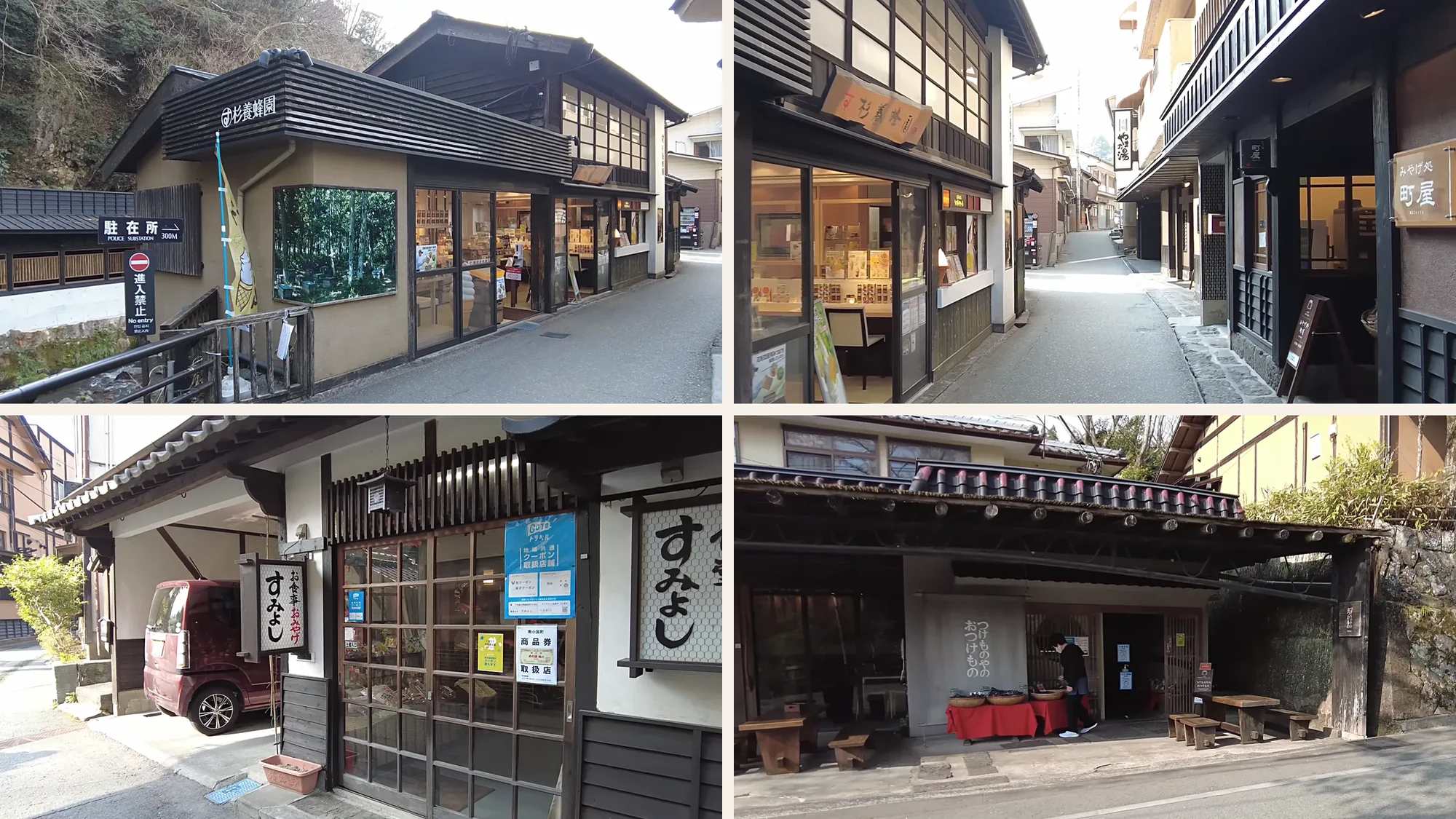
Most of the village is one doorway wide, and this is most of the village.
The craft shops, from the directory itself
The browsing half of the village rewards specifics, and the association's own shop directory supplies them. Igozaka Toan, the ceramics house on the slope, stocks work bought directly from around seventy kilns across Kyushu, each piece chosen in person, and takes the tegata's green sticker for a cup or small dish, which makes it the only place in Japan where a bath pass converts into pottery.
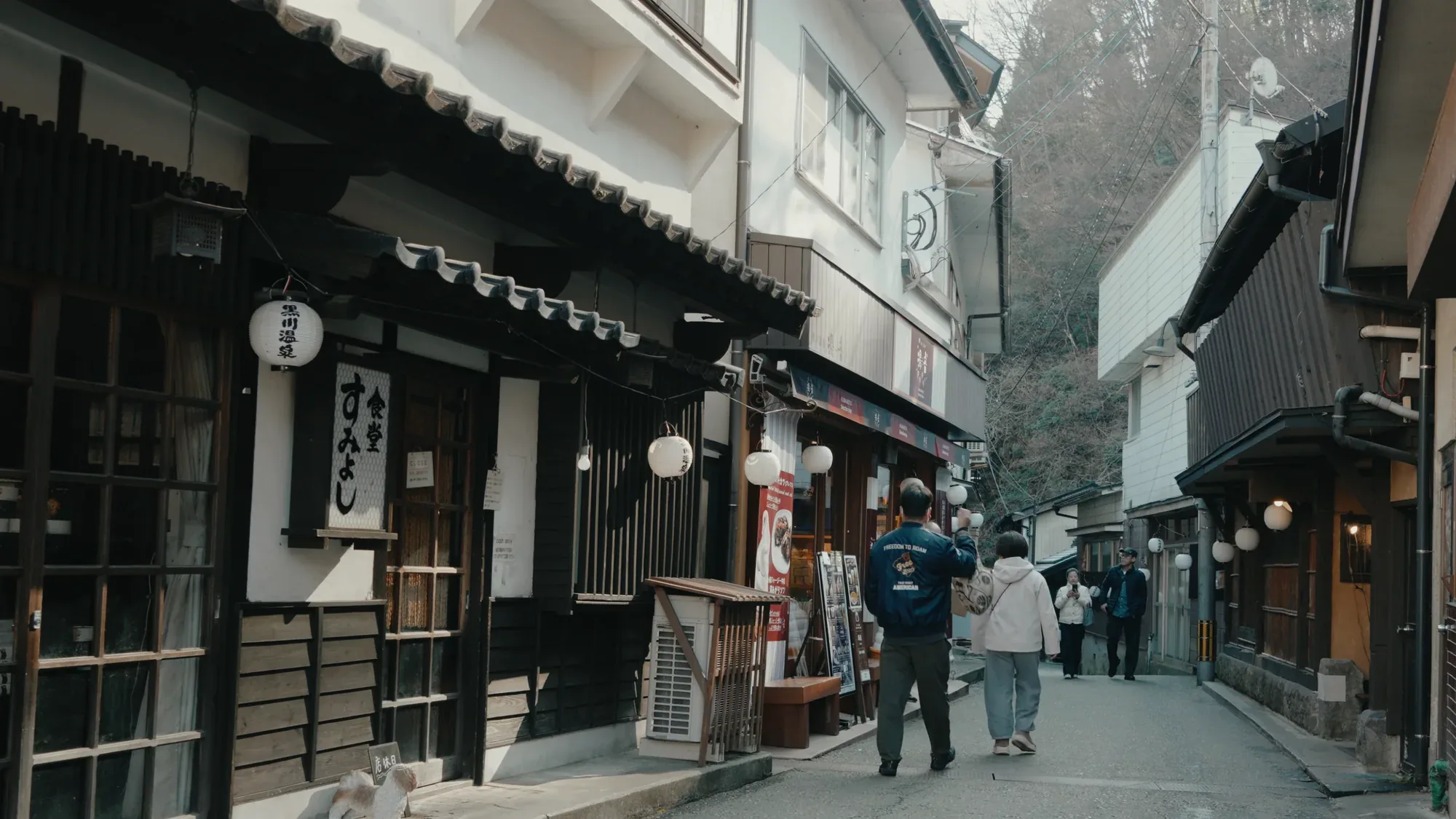
The shops are strung along the river, and most are one room deep.
Kurokawa-do, opened in December 2022, calls itself Japan's first onsen-outfitting shop concept and carries around three hundred bathing items from across the country, samue jackets, monpe workpants, setta sandals, wooden pails, the full costume of the bathing life, plus its water-revealed yu-mikuji fortunes. Zakka Raifu does handmade goods in natural materials, presided over by a resident mascot sprite named Morizo. The Rilakkuma shop sells the bear in Kurokawa-only editions for those travelling with children or a childhood.
And Machiya rounds out the register with Japanese-pattern sundries beside its sweets. Two more shops, Terakoya Honpo and Fukuroku, stand in the directory without self-descriptions, which in a village this deliberate reads less like an omission than an invitation to walk in and find out. An hour covers the whole circuit; the tegata sticker, spendable at several of these counters, turns the browse into a small treasure hunt.
The craft layer: kilns, cups and the fortune that needs a bath
Kurokawa's shopping is small, but its craft depth is real and specifically Kyushu. The anchor is Tōan on the Igozaka slope, a ceramics house stocking the work of some seventy kilns, which in practice means the whole grammar of Kyushu pottery on one set of shelves; an unhurried half hour there is the best crash course in regional ceramics available between the big pottery towns, and the correct souvenir is the one you will drink from on ordinary mornings, a teacup or yunomi whose daily use keeps the trip going for years.
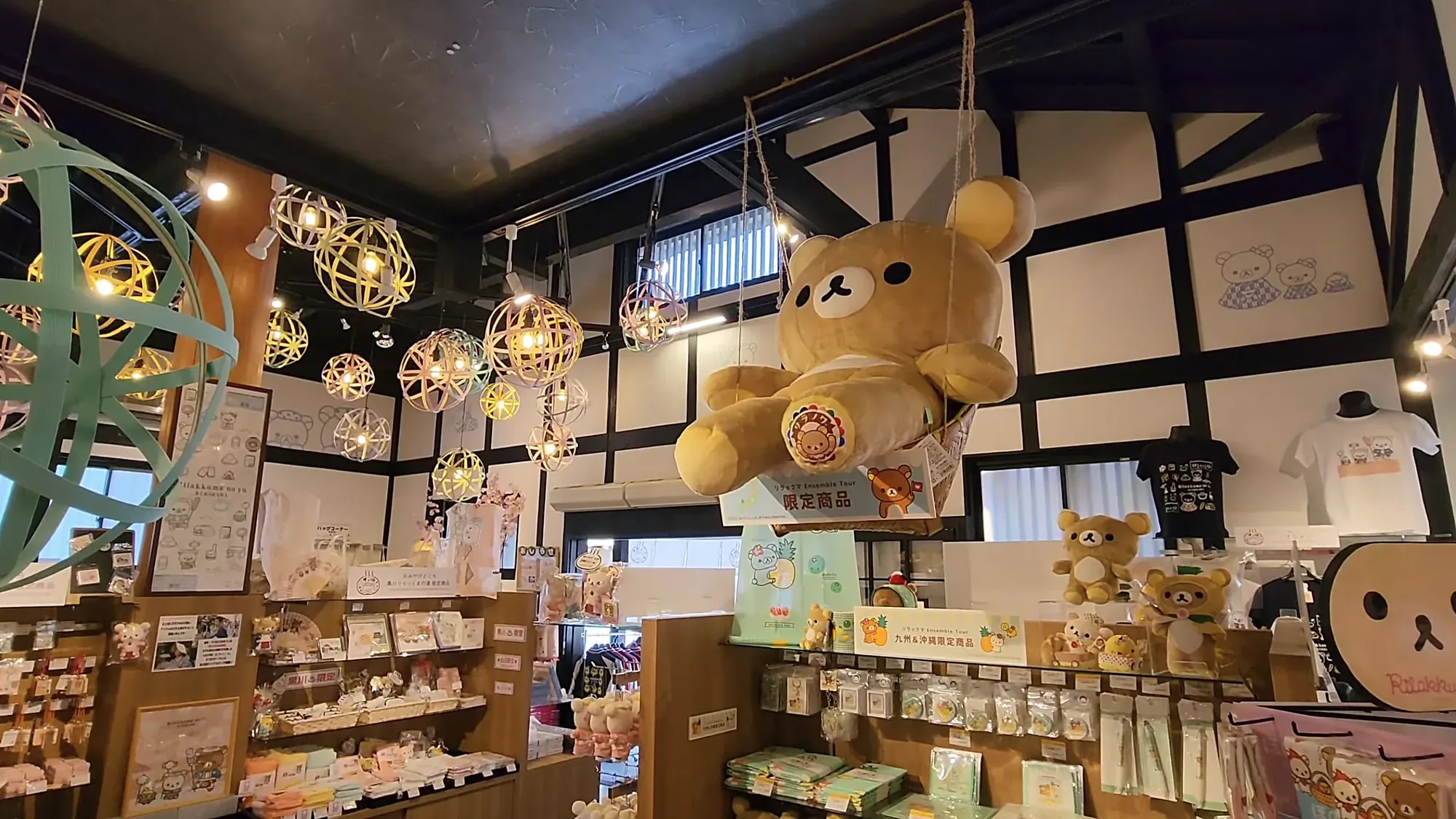
Kilns, cups, and a fortune that only reads properly once it has been in the water.
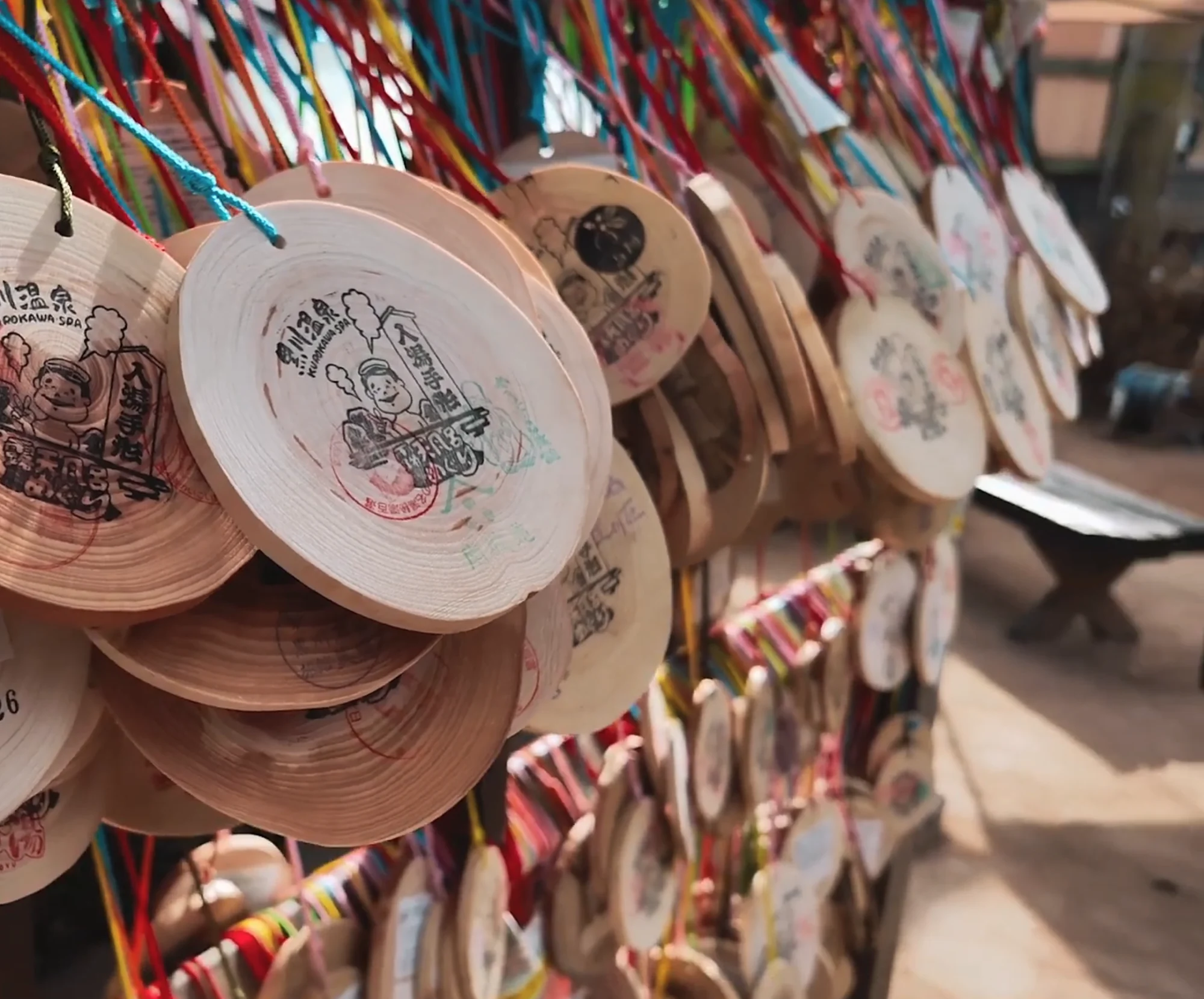
The tegata connects to the same shelf twice: the sticker can be redeemed at the kiln shop for a small cup or appetizer dish of your choosing, which turns the bathing pass into a pottery voucher, and the disc itself, stamped at three baths and carried home, is the village's own woodcraft with your itinerary burned into it.
The playful end of the craft layer lives at Kurokawa-dō, the souvenir house reopened in December 2022 with some three hundred items, home of the yu-mikuji, the fortune slip printed in ink that only appears in hot water, a piece of paper engineering that obliges you to take your fortune to a bath to learn it.
Add the honey house, the miso and pickle makers, and the ninety-year sake shop, and the lanes assemble into a compact museum of small production, every exhibit for sale. None of it takes an hour; all of it rewards the between-baths gaps the village's rhythm creates anyway.
Cafés, and the art of the gap
Between baths the river cafés do Kurokawa's version of nightlife at 3 pm: coffee or amazake above the current, a seat by a wood stove in winter, no reason to hurry. Treat the gaps between soaks as the schedule's substance — the water rewards intervals, and the village essentially built an architecture for waiting well.
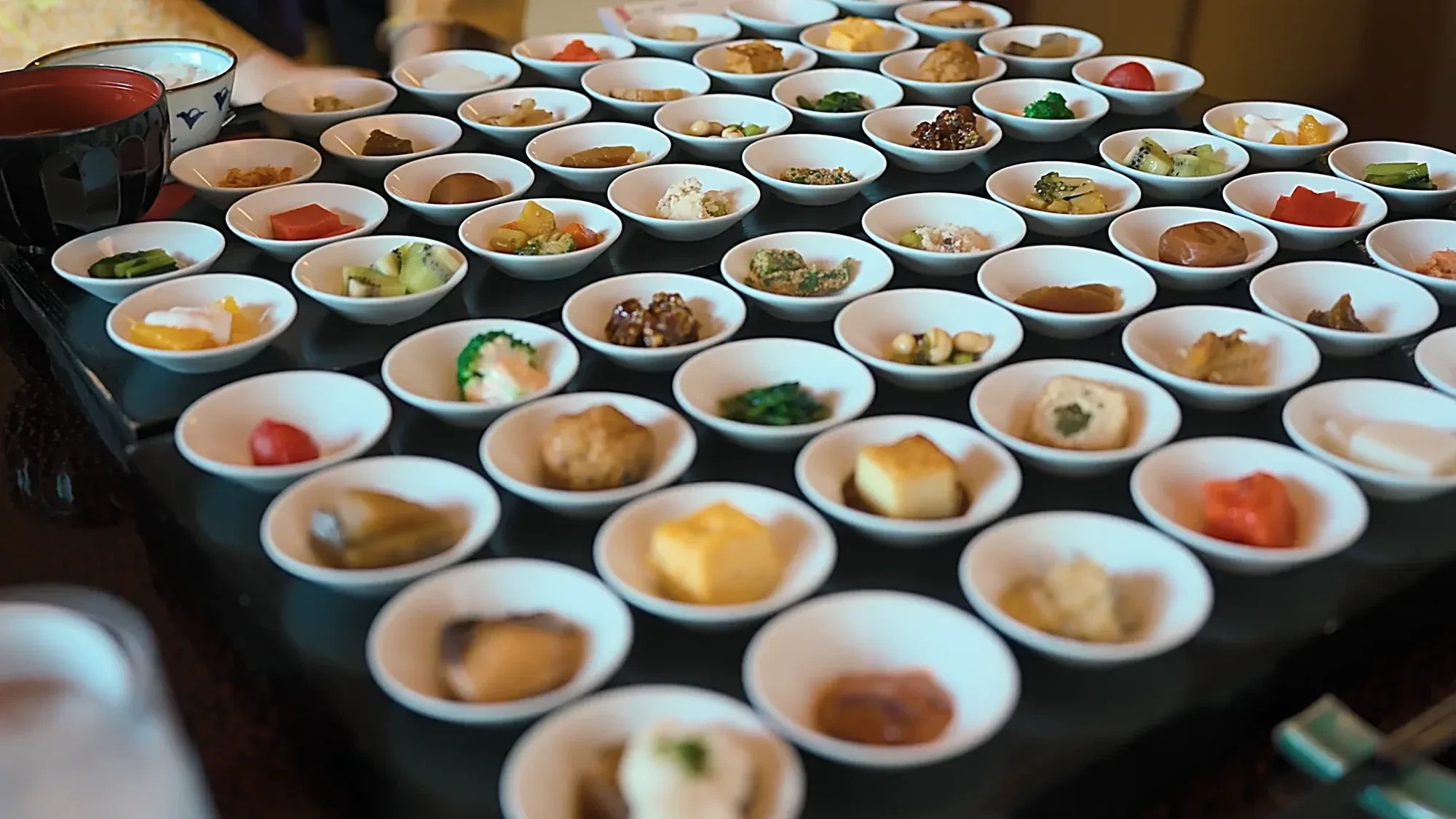
The gap between two baths is what the cafés are actually for.
Rainy-day Kurokawa, honestly better than it sounds
Rain reorganises most destinations into disappointment; here it merely reshuffles the deck, and knowing the wet-weather order turns a grey forecast into a plan. The baths improve first: rain on an open-air bath is one of the format's great free upgrades, the surface alive, the steam thickened, the crowds thinned, and an umbrella held from door to changing room is the whole cost.
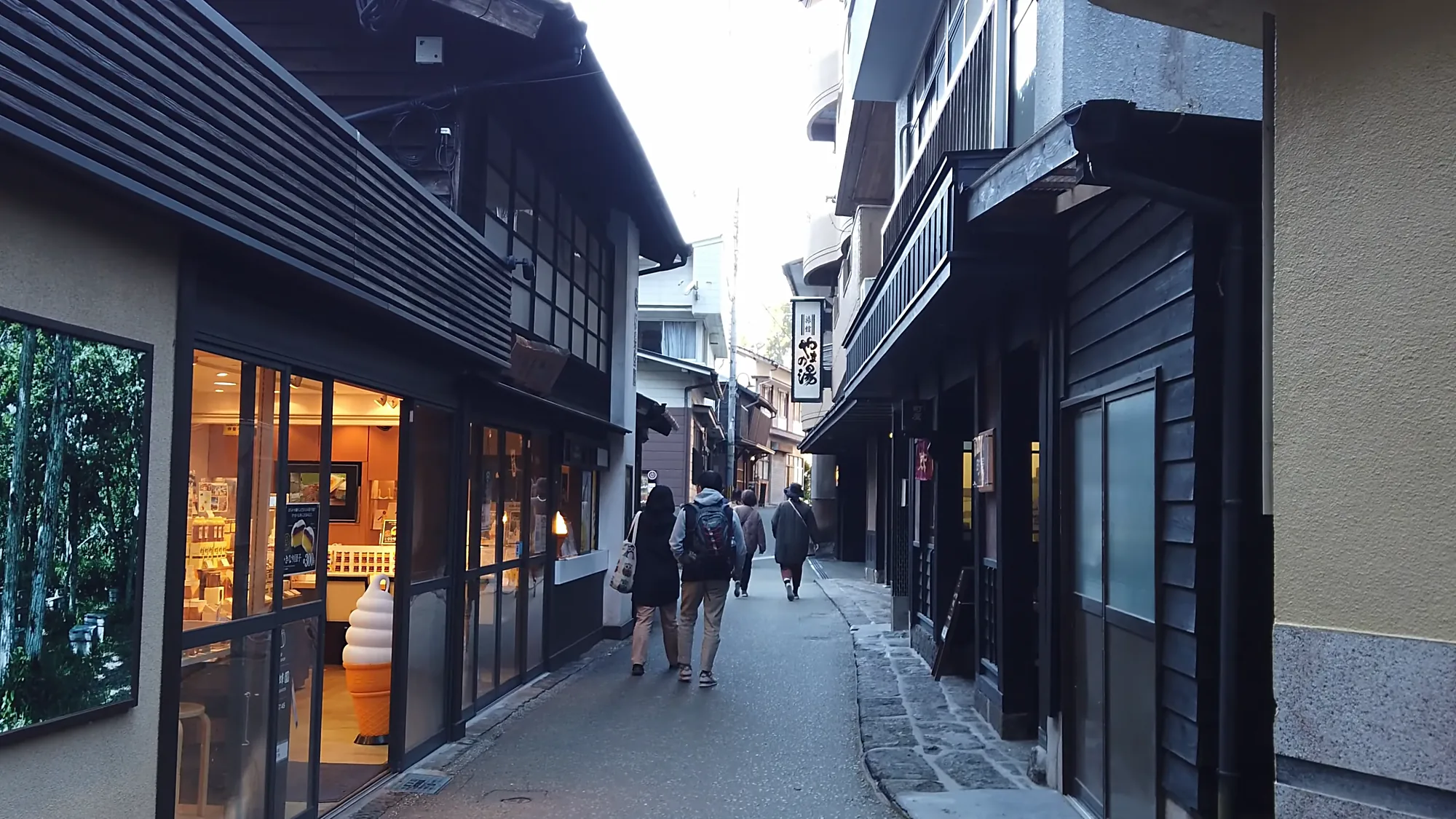
Rain suits this village. The lanes are short and the water is already hot.
The covered and indoor layer carries the middle of the day: the kiln shop's seventy potteries, the souvenir house's three hundred items, the hearth-side tofu lunch, the bakery's coffee, all of it within a few minutes' dash of everything else. The kashikiri hour is the rainy day's natural centrepiece, a private roof and a private bath while the weather performs outside.
And the evening illuminations, in their seasons, run regardless, with wet stone doubling the lantern light for the photographers willing to shelter a lens. The single genuine casualty is the excursion tier, the grassland panoramas and highway drives that need visibility, so the weather rule for a two-day visit writes itself: spend the clear day on the township and the wet day on the village, in whichever order the sky dictates.
Pack accordingly, one compact umbrella per person and shoes that forgive puddles, and reframe the forecast before arrival: in a place whose product is hot water, steam and the pleasure of shelter, rain is not the opposite of the experience. It is weather the experience was designed around.
Beyond the baths: the valley's sights
Here the page earns its subtitle, because the wider Minamioguni valley that Kurokawa sits in carries a set of sights the national hot-spring-area profile lists by name, and almost no English guide gathers them. Two waterfalls anchor the list: Nanataki (七滝, "seven falls"), a stepped cascade, and Meotodaki (夫婦滝, the "married-couple falls"), a paired drop of a larger and smaller stream.
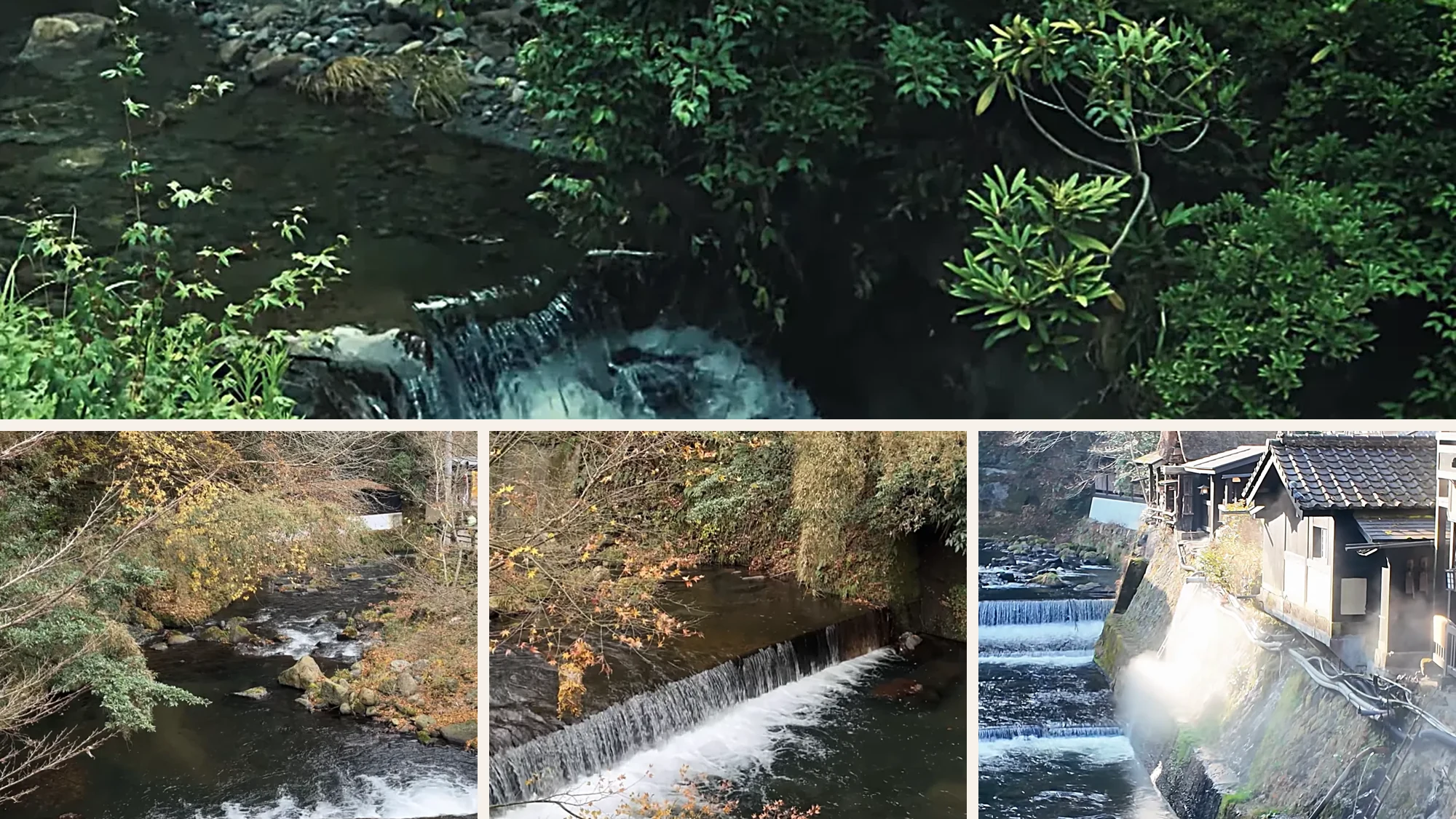
The river is the axis. Everything else was built facing it.
Seiryū-no-mori (清流の森), a forest park, contains Suzume-no-jigoku (雀の地獄, "sparrow hell"), a patch of bubbling volcanic ground and rock where escaping gas once felled small birds — a reminder that the whole valley sits on the Aso volcanic system that feeds the baths. In autumn a cosmos garden (コスモス園) colours a hillside.
And three living or ancient monuments reward a short detour: the Konpira cedar (金比羅杉), a giant sacred tree; the Takenokuma great zelkova (竹の熊大けやき), an old-growth keyaki of real scale; and the Oshitoishi hill (押戸石), a cluster of megaliths bearing petroglyphs that draws the ancient-mystery crowd. None of these comes with a sourced drive time or opening hours in our records, so treat them as a valley map to ask the Kaze-no-ya desk about, not a fixed itinerary .
The grassland stage around the valley
One tier of scenery sits between the village lanes and the full caldera day trip, and the designation profile names its pieces. Senomoto Kogen, the open highland where the road to Yufuin crosses the grass, is ranked first among Kumamoto's hundred green landscapes, and it earns the title with nothing but space: grazing land to the horizon, the Kuju range stacked behind, and in the right season Aso's red cattle at their summer work.
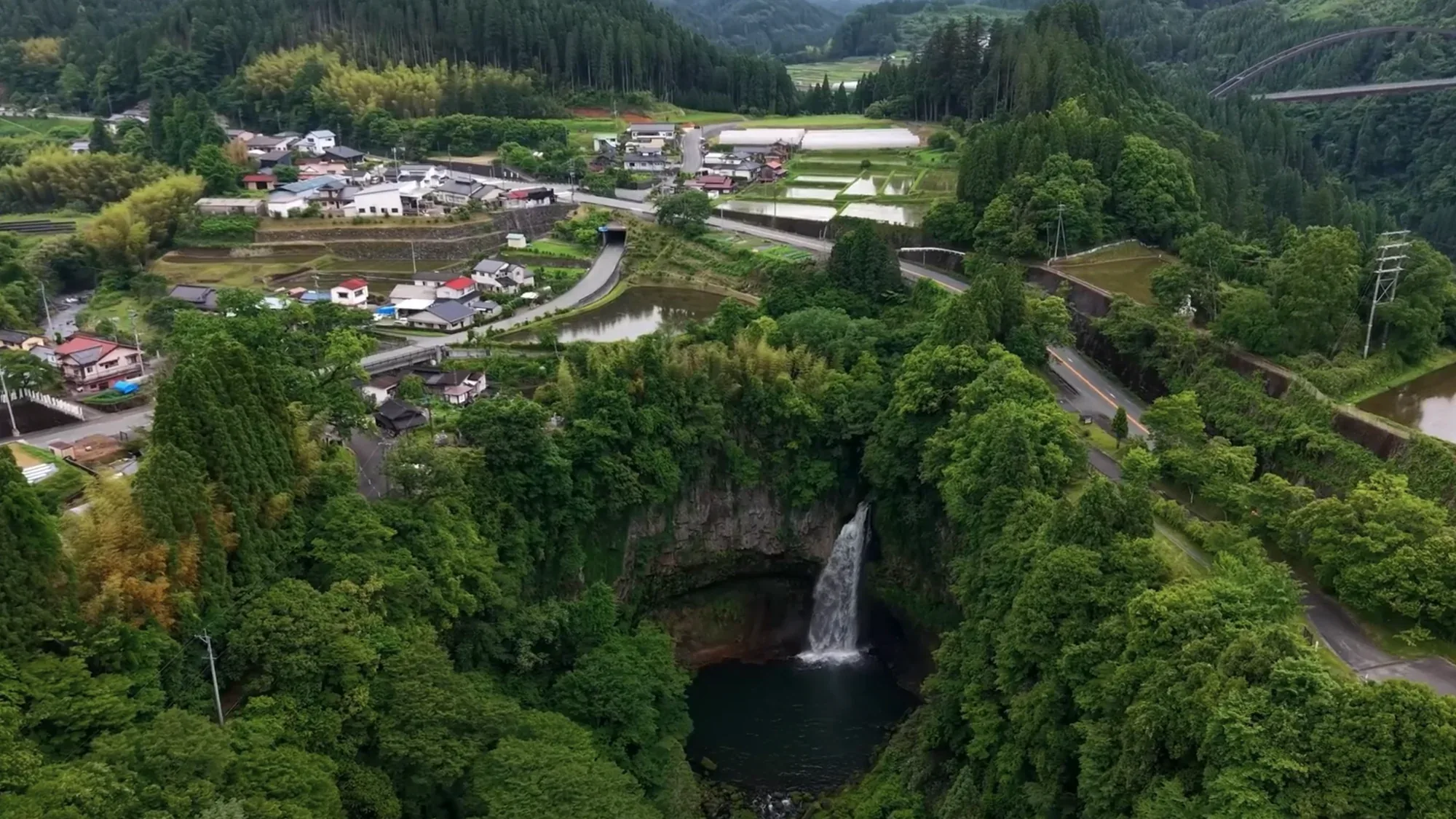
The grassland starts where the cedar stops, and it is closer than the map suggests.
The Kuju mountains themselves wall the valley's north, the hiker's skyline even for those who never hike it. Neither requires a destination or a ticket; they are the drive, visible from the bus to Yufuin and from the highland hotel's windows, and they explain at landscape scale why the village below feels the way it does.
For visitors without a car, this tier is the honest answer to what the bus window will show you, and it costs nothing to watch.
The township beyond the lanes: temple, grassland, highway
The village is the centre of a five-hamlet township that repays every excursion hour you give it. The contemplative trip is Manganji, one hamlet over: a temple founded in the thirteenth century under the Kamakura shogunate's authority, and below it the stone-ringed bath sitting in the running river itself, the valley's bathing tradition in its original, unplumbed state, worth seeing even by travellers who never intend to get in.
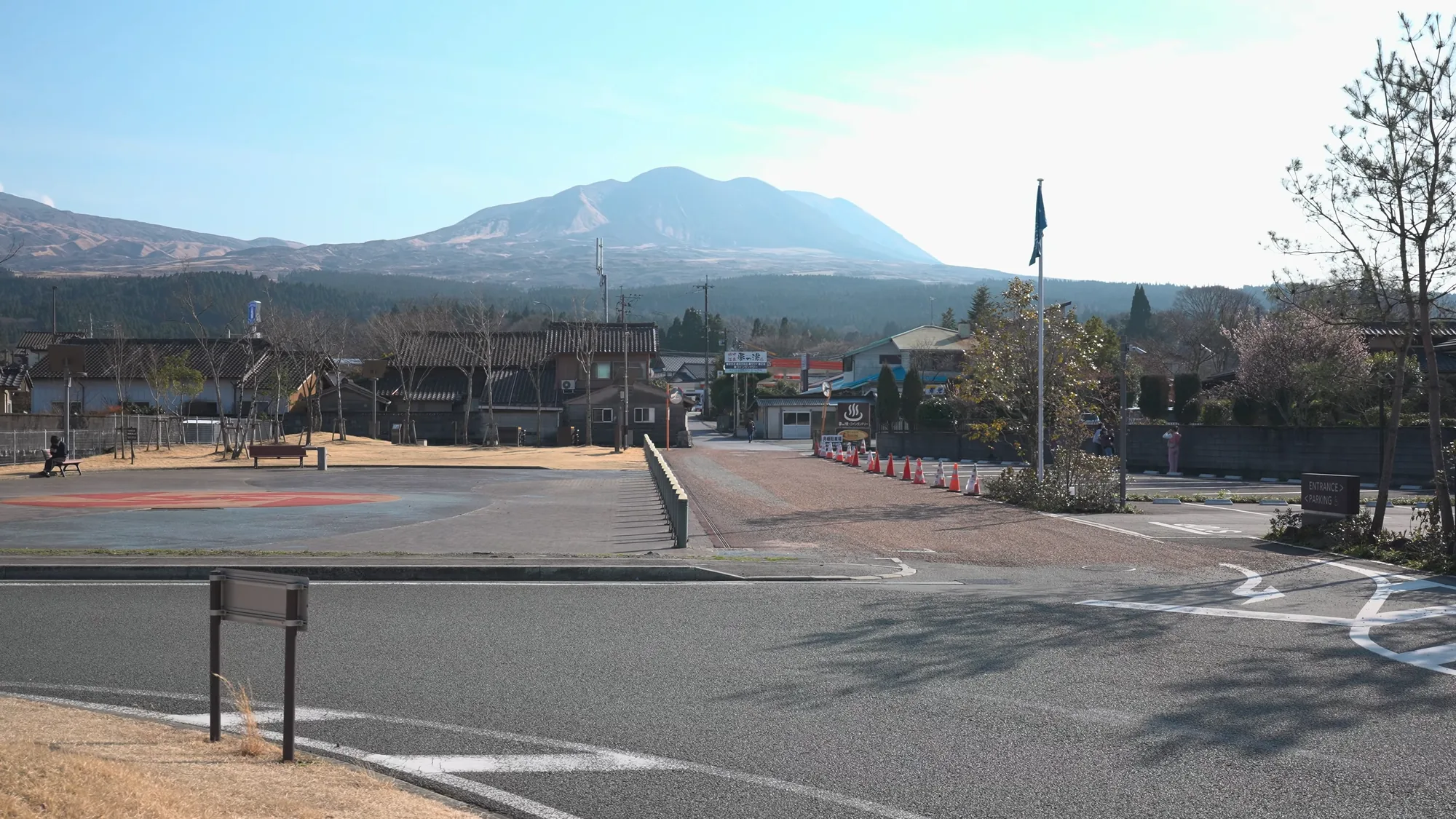
The township is much bigger than the lane everyone photographs.
The pastoral trip is Tanohara, the neighbouring spring hamlet whose therapeutic-stay tradition runs back three centuries and whose quiet lanes show what the whole valley looked like before fame. And the panoramic trip is Senomoto, the highland grassland listed first among Kumamoto's hundred green landscapes, where the caldera country opens out and the Yamanami Highway, the 1964 road that started the village's first boom, now serves as one of Japan's great scenic drives, the five peaks of Aso on one horizon and the Kuju range on the other.
Drivers can thread all three into a half day; bus travellers can reach the highway's country on the Kyushu Odan line that already serves the village, treating the ride itself as the excursion. The planning rule is the one the village teaches everywhere: pair one excursion with one blank half-day rather than stacking two, and time the return for the pre-dinner bath.
The lanes are the reason you came, and the township around them is the reason the lanes feel the way they do; seeing both is seeing the place whole.
Two onsen curiosities worth the trip
The valley also holds two hot-spring sights that are not Kurokawa and are the better for it. Tanoharu Onsen (田の原温泉) has been known as a 湯治 (cure-bathing) ground for some three hundred years; its source erupts hot enough to need no reheating, and it served as a filming location for the beloved Otoko wa Tsurai yo (Tora-san) films — a piece of Shōwa cinema history in a working bath.
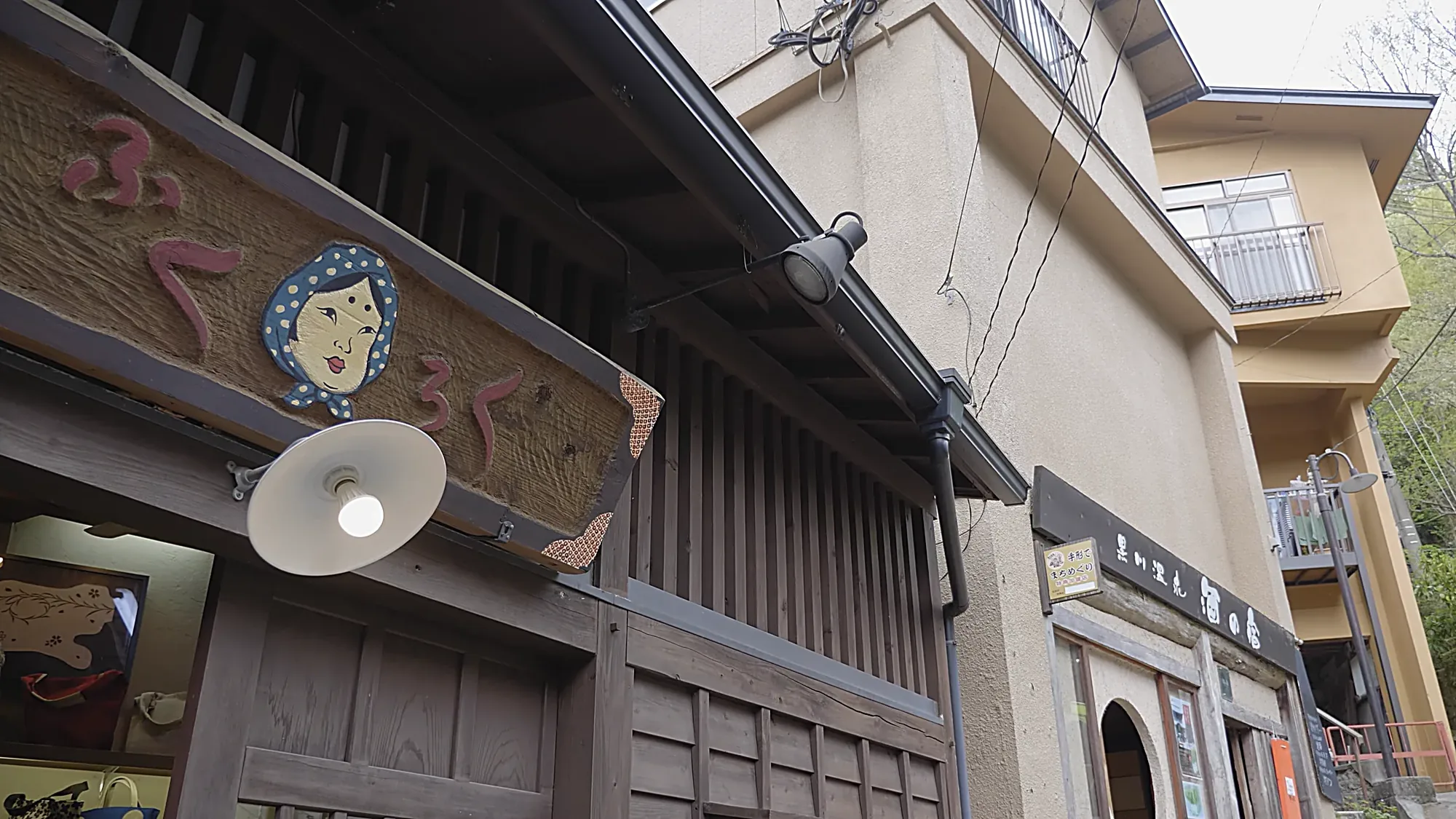
Two curiosities worth the walk, and neither is signposted in English.
Manganji Onsen (満願寺温泉) is stranger and older: an open-air bath enclosed by stones on the bank of the Shizu River, where you effectively bathe in the river itself, in a stream that shelters okichimozuku (オキチモズク), a freshwater algae designated a protected natural monument; above it stands Manganji temple (立護山満願寺), founded in the thirteenth century by Hōjō Tokisada. Both sit in hamlets of the wider 南小国温泉郷 and make a quiet counterpoint to Kurokawa's polish.
What is not in the village, on purpose
Inside Kurokawa itself there are no museums of consequence, no arcades, no nightlife district, no shopping street beyond the lanes — the revival's design code pruned all of it. Travellers who want filled hours look outward: the valley sights above for a gentle half-day, or the day-trips page for Nabegataki's walk-behind falls, Daikanbō's caldera rim, and the Aso volcano zone within about an hour. Everyone else should trust the village's arithmetic: three baths, two strolls, one long dinner, and the day is somehow full.
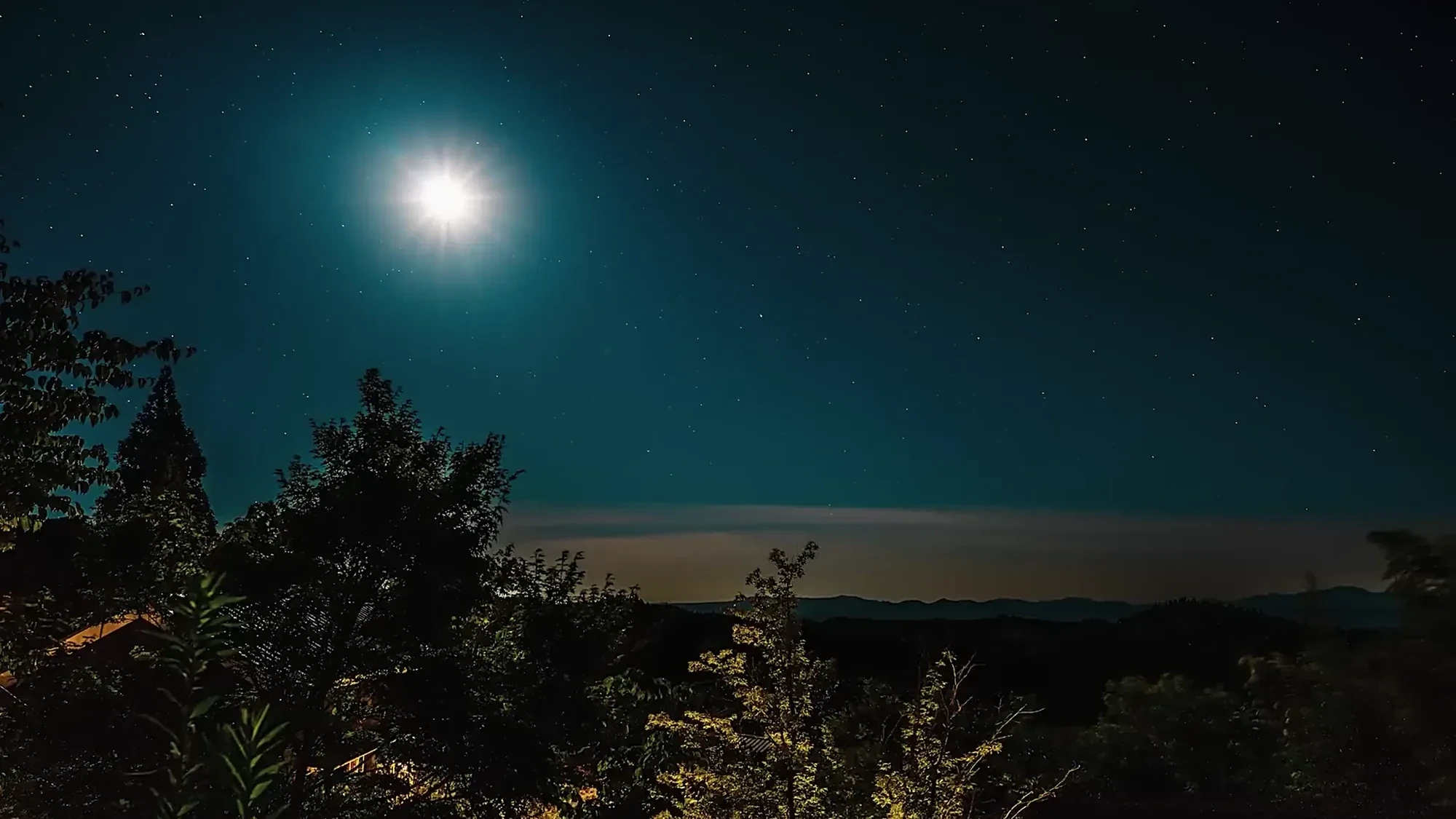
No arcade, no chain signage, no convenience store. All of it deliberate.
The village with children
Kurokawa is not a children's destination and is, partly for that reason, a good place to travel with them, provided the day is built at their scale. The tegata system does the heaviest lifting: the child pass at ¥700 (about US\$4.70) for ages three through twelve gives each child their own disc, their own stamps and their own sticker, and the stamp-collecting converts bath-hopping from an adult indulgence into a treasure hunt, while the sticker converts flagging energy into soft-serve, dango or a water-revealed fortune slip at the child's own choosing.
The bathing itself asks the standard cultural preparation, washed, quiet, accompanied, and rewards it; a child who has soaked in a riverside rotenburo has a travel memory that outlasts most theme parks, and the family that needs privacy or has a mid-tantrum afternoon books the kashikiri hour, the format the village itself recommends for exactly these cases.
Around the water, the village's child-friendly layer is the daytime lanes, the stream, the stairways, the honey and dairy counters, and the river's endless free entertainment of sticks and current. Two cautions keep it honest: the kaiseki evening is long for small children, so the at-booking conversation should cover children's meals and timing, and the village's edges, riverbanks and stone steps, ask for the same hand-holding any mountain town does.
Families who arrive expecting a resort will find a village; families who arrive expecting a village will find it unusually good at hosting the small.
The no-bath day, and the companion who isn't bathing
Two real cases deserve their own plan: the trip day when another soak is one too many, and the travel companion who, for any reason, is not bathing at all. The village has quietly built for both, and the association's own FAQ traffic about footbaths and rest places shows the demand is recognised.
The non-immersive water layer comes first: footbaths warm a traveller ankle-deep and fully clothed, the resting benches and river overlooks supply the sitting, and the lanes' food counters supply the occasions. Around that, the whole craft and larder layer of this page operates bath-free, the seventy kilns, the fortune slips, the sake shop, the hearth lunch, and so do the excursions, the temple, the grassland, the highway.
The companion case wants one design courtesy: structure the day so the bathing party and the non-bathing companion separate for the soak hour and reunite for everything else, which the village's compact geography makes effortless, the lanes' cafés sitting minutes from every bath door.
A companion with mobility, health or personal reasons for staying dressed loses remarkably little of what makes the place worth the journey, because the village's deepest pleasures, the pace, the design, the food, the light, are all above the waterline.
And for the bather's own no-bath day, the prescription is the unscheduled day from the top of this page with the soaks removed and nothing added: the village, walked slowly on rested skin, remains the best thing to do in Kurokawa.
Matching the activity list to the length of the stay
Every list on this page compresses into three honest templates, one per trip length. The day trip holds exactly two activities beyond the baths: the lanes at graze pace and one craft stop, because the tegata circuit plus lunch already fills the useful daylight, and a day-tripper who schedules more spends the visit checking the time.
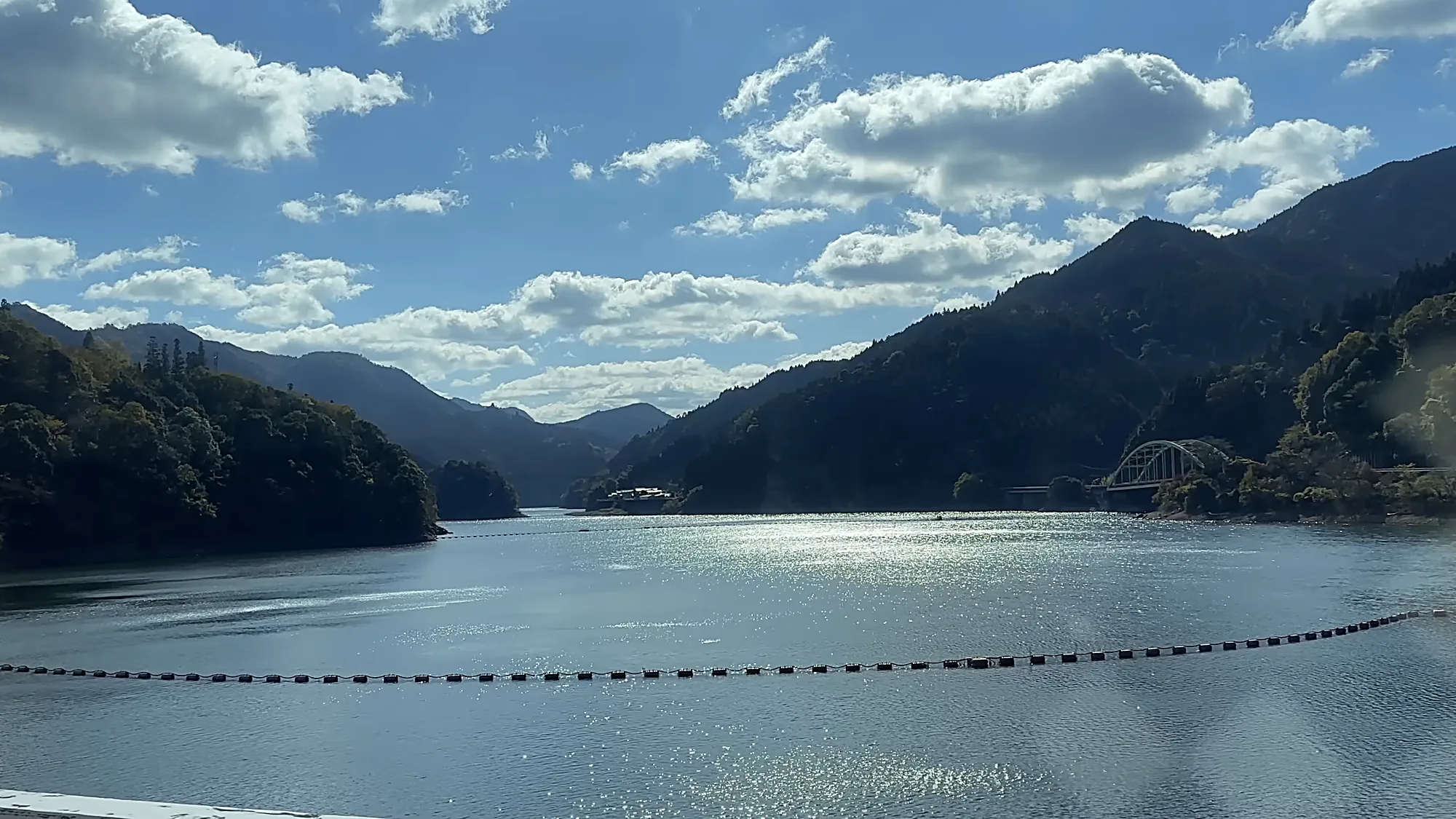
One night buys the lane. Two buys the valley. Three buys the region.
One night doubles the field: the evening layer appears, the illumination walk in season, the hearth izakaya, the after-hours bath at your own inn, and the second day's morning accommodates either the temple-and-river excursion or the blank half-day, not both.
Two nights is the complete instrument, and it is the length this page has implicitly been arguing for throughout: day one for the village and its rhythm, day two split between one excursion, grassland and highway with a car, Manganji and Tanohara without, and the deliberately unscheduled hours that let the place do its actual work.
Beyond two nights, the village asks a different question, not what to do but how to live here briefly, and the answer looks like the old tōji pattern of the neighbouring hamlet, a settled routine of baths, walks and meals in which the doing dissolves into staying.
Choose the template that matches the booking, resist upgrading the list without upgrading the nights, and remember the finding underneath all three: in Kurokawa the activities are the spacing between baths, and the spacing, done right, is the holiday.
Tips
Walk the lanes three times — afternoon, dusk, after 9 pm; they are three different towns.
Pay the Jizō-dō a short visit; it anchors the village's founding legend.
Ask the Kaze-no-ya desk about the valley sights (falls, giant trees, Oshitoishi) and how to reach them.
Buy yunohana or local crafts here rather than airport equivalents; provenance is the town's whole idea.
Manganji's river bath and Tanoharu's 湯治 source are the two "other onsen" worth a detour for the curious.
Frequently asked questions
What is there to do in Kurokawa Onsen besides onsen?
Is Kurokawa Onsen boring for non-bathers?
What is the Jizo shrine in Kurokawa?
Are there footbaths in Kurokawa?

Verified by The Japan Onsen Society
Show all sources
Verified July 7 to 16 and September 6, 2026 by The Japan Onsen Society. The valley sights, Tanoharu's 湯治 history and Tora-san location, and Manganji's river bath, protected algae and temple founding are the government hot-spring-area profile's own; drive times and opening hours for these were not pinned and are marked .
Valley sights (七滝 · 夫婦滝 · 清流の森/雀の地獄 · コスモス園 · 金比羅杉 · 竹の熊大けやき · 押戸石) · Tanoharu Onsen 300-year 湯治 + Tora-san location · Manganji river bath + オキチモズク + 13th-c temple by 北条時定 · Jizō-yu/Ana-yu legend baths → 南小国温泉郷 (国民保養温泉地) profile spa.or.jp/kokumin/1131/ → verified Jul 7 & Sep 6, 2026
Jizō founding legend (headless substitute-Jizō) → 黒川温泉観光旅館協同組合 kurokawaonsen.or.jp/about/ → verified Sep 6, 2026
Shop / snack circuit and green-sticker redemptions → 組合 shop directory (see the food guide)
VERIFY:
Access and opening hours for the valley sights (not pinned) before presenting as an itinerary
Footbath count/locations (two cited informally)
Kaze-no-ya services current; Igo-zaka shop lineup current
Tegata-at-the-Jizō custom (flagged sitewide)
USD conversions n/a
黒川温泉観光旅館協同組合 お店一覧 (Kurokawa Onsen Ryokan Co-operative Association, shop directory) - the craft-shop specifics above: the seventy kilns, the three hundred bathing items and 2022 opening, Zakka Raifu, the Rilakkuma shop, and the two undescribed listings, verified September 6, 2026
日本温泉協会 国民保養温泉地 南小国温泉郷 (Japan Spa Association, designation profile) - Senomoto Kogen's first-place ranking among Kumamoto's hundred green landscapes and the Kuju range in the sights list, verified September 6, 2026
黒川温泉観光旅館協同組合 よくある質問 (official FAQ) - the walking and hiking questions the association fields, and the footbath and rest-place questions behind the no-bath day, verified September 6, 2026
黒川温泉観光旅館協同組合 入湯手形 (tegata page) - the child pass price and age band, the sticker redemptions including the kiln shop's cup and the fortune slip, and the stamp mechanics in the children's section, verified August 18 and September 6, 2026
山の宿 新明館 歴史 (Shinmeikan, history page) - the 1964 Yamanami Highway opening behind the scenic-drive framing, verified September 6, 2026
Related guides

Trip Planning
Kurokawa Onsen: The Complete Guide
A wooden pass buys three baths from twenty-five. The innkeepers agreed, decades ago, to look like this.

Trip Planning
Worth it?
Kurokawa is not on the way to anywhere. Reaching it takes a bus into the caldera, and it repays the effort only slowly.
Trip Planning
The Nyūtō Tegata Explained
A wooden disc buys any three of twenty-five baths, valid six months. Two stickers can go to baths and the third to lunch.