
What Kurokawa is, and is not
Thirty ryokan fold into a forested river gorge, joined by lantern-lit lanes with no neon, no convenience stores, and no building taller than the trees. That restraint is deliberate — the product of a decades-long local design effort, from a hand-dug cave bath to a shared wooden pass to roughly two hundred signs taken down together — and it makes the village feel less like a resort than one sprawling inn, which is exactly how it describes itself: 黒川温泉一旅館, the whole town as a single ryokan.
What Kurokawa is not is a sightseeing town: no castle, no museum circuit, no shopping street of note. The baths are the itinerary — twenty-five open-air baths in the tegata scheme, several ranked among Japan's best — and the history page tells the fuller story of how a failing spa village designed itself back to life.
The answer, in one passage
Kurokawa Onsen is worth the journey if, and almost only if, you sleep there. The village is 2 hours 45 minutes by direct bus from Fukuoka, has no train station, and offers little beyond its baths, lanes and inns; judged as a sightseeing stop it is thin, and judged as an overnight it is one of the best onsen experiences in Japan.
The working math: a night at the village floor costs ¥12,727 (about US\$85) per person with dinner and breakfast, the tegata pass adds ¥1,500 (about US\$10) for three open-air baths, and the sourced bus fares run ¥1,600 to ¥3,400 (US\$11 to \$23) each way from Aso or Kumamoto. For roughly US\$140 all-in you get the baths, the kaiseki, and the lantern-lit village after the day visitors leave, which is the part no day trip can buy.
Worth it against the alternatives: the onsen triangle test
The fair version of the question is rarely "Kurokawa or nothing." It is "Kurokawa or Yufuin or Beppu," because one bus line, the Kyushu Odan, threads all three, and most Kyushu itineraries have room for one or two of them, not all. The honest comparison runs like this. Beppu is scale: an onsen city, the famous hells, urban convenience, and no pretence of quiet.
Yufuin is fashion: a boutique main street under a beautiful mountain, busy by mid-morning, polished to a shine. Kurokawa is the smallest, hardest to reach and least commercial of the three, and that is not an accident of geography but the product of its choices; this is a village that was absent from its own prefectural newspaper map until the year 2000 and rebuilt itself on atmosphere rather than access.
The bus line makes the comparison cheap to run in person. Kurokawa to Yufuin is 1 hour 37 minutes and ¥2,700 (about US\$18) on the operator's current fare table; through to Beppu is ¥4,000 (about US\$27). A Fukuoka-in, Beppu-out loop can hold two of the three towns without backtracking. If you can visit only one and you want ease, choose Yufuin. If you want spectacle and city comforts, Beppu.
If the point is the bathing itself, the quiet, and the feeling of a place that has decided exactly what it wants to be, Kurokawa is the strongest of the three, and the extra effort of reaching it is precisely why it still feels the way the others once did.
Worth it against its own valley
The subtler comparison is not Yufuin or Beppu but the four hamlets sharing Kurokawa's own designation, all cheaper, all quieter, all pouring the same volcanic water. Is the famous village worth its premium over its neighbours? The honest answer depends on what the premium buys, and the record itemises it: the tegata system, which exists only in Kurokawa; the twenty-seven-business lane economy, which the hamlets cannot match; the two illumination seasons; the design-code streetscape; and the thirty-inn depth chart from ¥12,727 to ¥122,700.
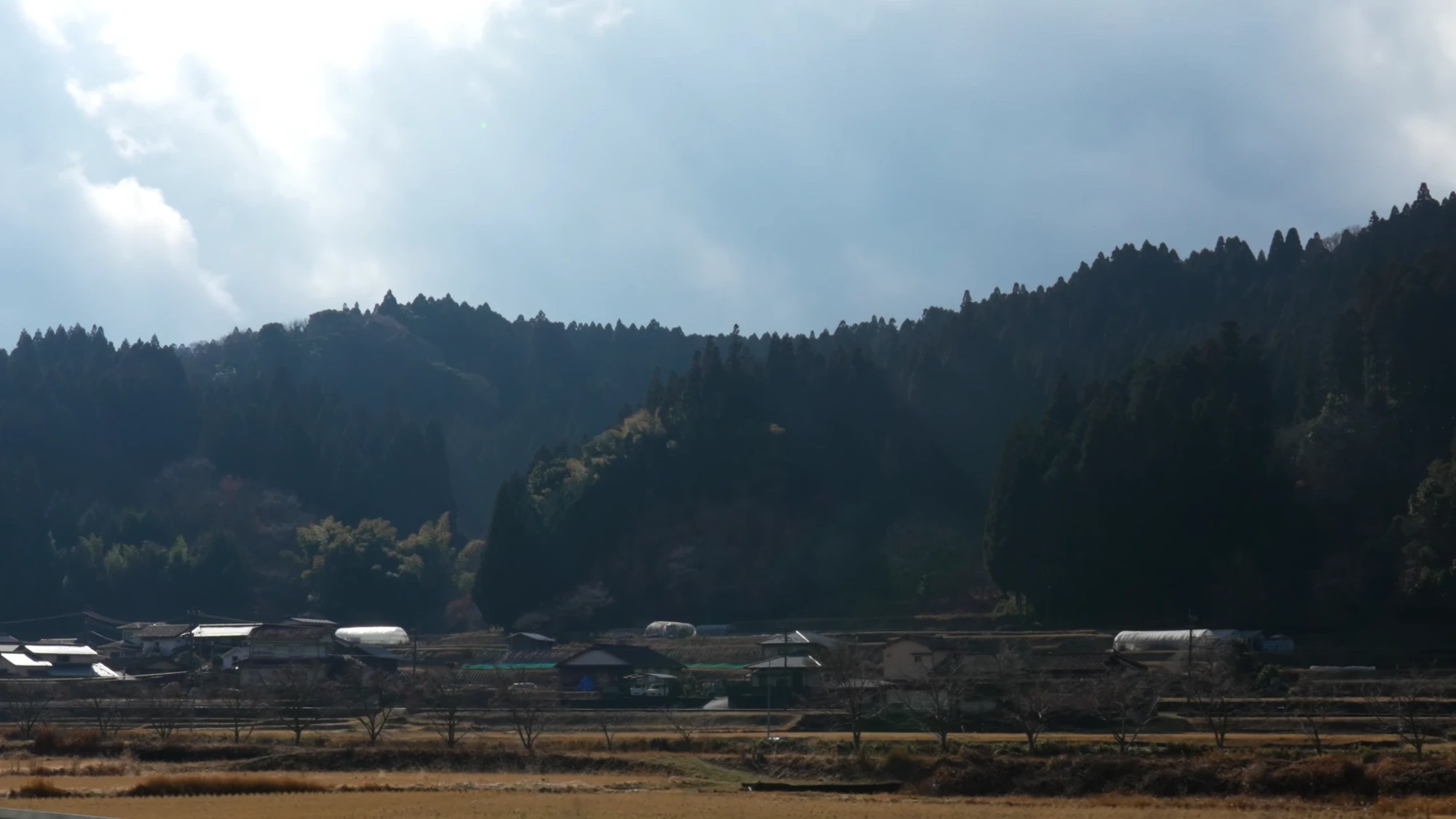
The honest comparison is not Hakone. It is the four hamlets next door.
Tanohara answers with three hundred years of cure-ground history and a source hot enough to need no reheating; Manganji answers with the river bath and its thirteenth-century temple; both answer with solitude. The resolution is that they are not competitors but courses: Kurokawa is the destination, the hamlets are the depth, and the traveller forced to choose should choose by trip length.
One night, take the village, whole; two or more, take the village and spend a half-day in the hamlets, which cost almost nothing once you are there. The only traveller who should base in the hamlets instead is the one for whom Kurokawa's own polish is the defect, the purist chasing the valley as it was before the design code, and the record suggests even that purist should walk Kurokawa's lanes once, if only to see what the alternative history looks like when it is authored well.
The moat, in one paragraph
Why this village and not the dozens of other onsen towns? Because Kurokawa did three things together that almost nowhere else did. It made the baths, not the buildings, the product. It turned thirty rival inns into one network with the 1986 Nyūtō Tegata, so bathing quality village-wide became a shared asset rather than any single inn's.
And it held the whole place to a natural-materials code that it still extends after dark, with two hand-made lantern seasons — winter's Yuakari (about December 20 to March 31) and summer's Kasa Andon (June 1 to September 30). The result reads as timeless and is in fact authored, continuously, and that is the thing worth travelling for.
What the verdict rests on: this page's evidence, audited
A worth-it page is a chain of judgements, and its trustworthiness is exactly the trustworthiness of its links, so here is the audit. The costs above are the operators' own: inn bands from the association's directory, bus fares from the Sanko matrix as revised August 1, 2026, the pass from the tegata page, each carried with its read date in the sources below. The mechanisms are the association's: the day-use turn, the sticker, the enquiry form, the visitor code.
The comparisons, Yufuin and Beppu, the hamlets, the seasonal margins, are our judgements, argued in the open and marked as ours. And the unknowns are named rather than papered over: the Fukuoka fare we decline to print, the single-bath band still flagged, the per-inn facets behind the filter.
What this page cannot audit is you, the weight you place on quiet against convenience, water against sights, and the verdict's honest form acknowledges it: Kurokawa is worth it for the traveller its systems were built for, and this page's job has been to let you recognise, before spending a yen, whether that traveller is you. If it is, no destination in Kyushu converts money and hours into memory at a better rate. If it is not, the same evidence has saved you a long bus ride, which is its own kind of worth.
The day trip, honestly
The practical day trip exists: a morning bus from Fukuoka (about 2 hours 45 minutes), three baths on the tegata, lunch, an afternoon bus back. Done tightly that is five to six hours of transit wrapped around four hours in the village, and the last buses leave before the lanterns come on.
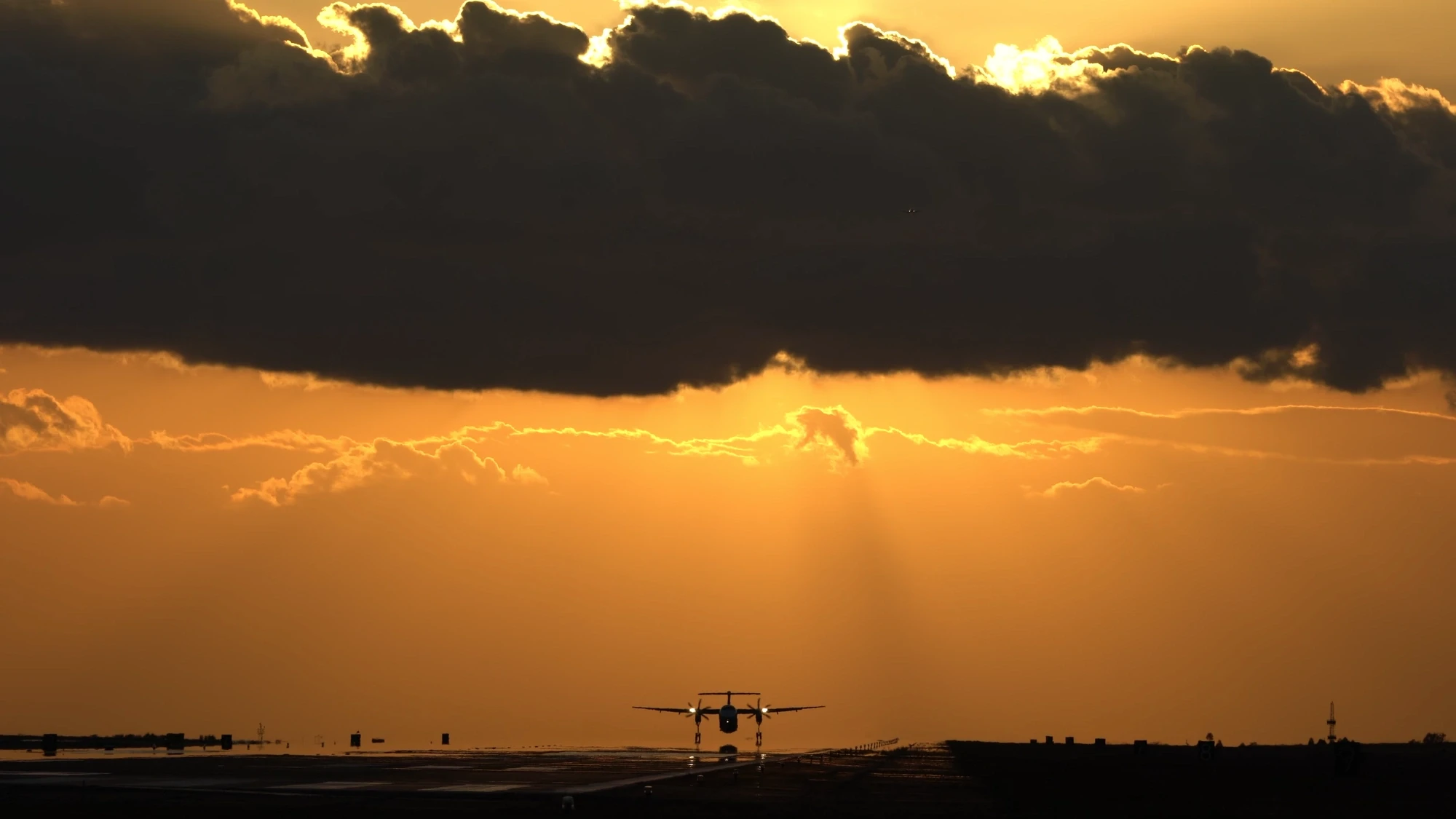
If you flew in this morning, the day trip is already most of your day.
The village at dusk — day visitors gone, yukata-clad guests drifting between baths, steam under lamplight — is the entire point, and a day trip samples the water while missing the place. If a day visit is genuinely all the itinerary allows it is pleasant; it is not the thing people write home about.
One current caveat sharpens the case against it: the 2026 Kumamoto earthquake has thinned some regional bus services, so a tight out-and-back is more fragile than usual — check the association's live traffic page .
The time audit: hours in, hours back
Money aside, the honest worth-it currency is hours, and the arithmetic deserves to be run straight. The Fukuoka round trip costs about five and a half hours of bus; a day trip buys perhaps four village hours with them, a ratio of 1.4 hours of transit per village hour, which is the worst exchange rate in this site's coverage and the analytical core of every day-trip warning we print.
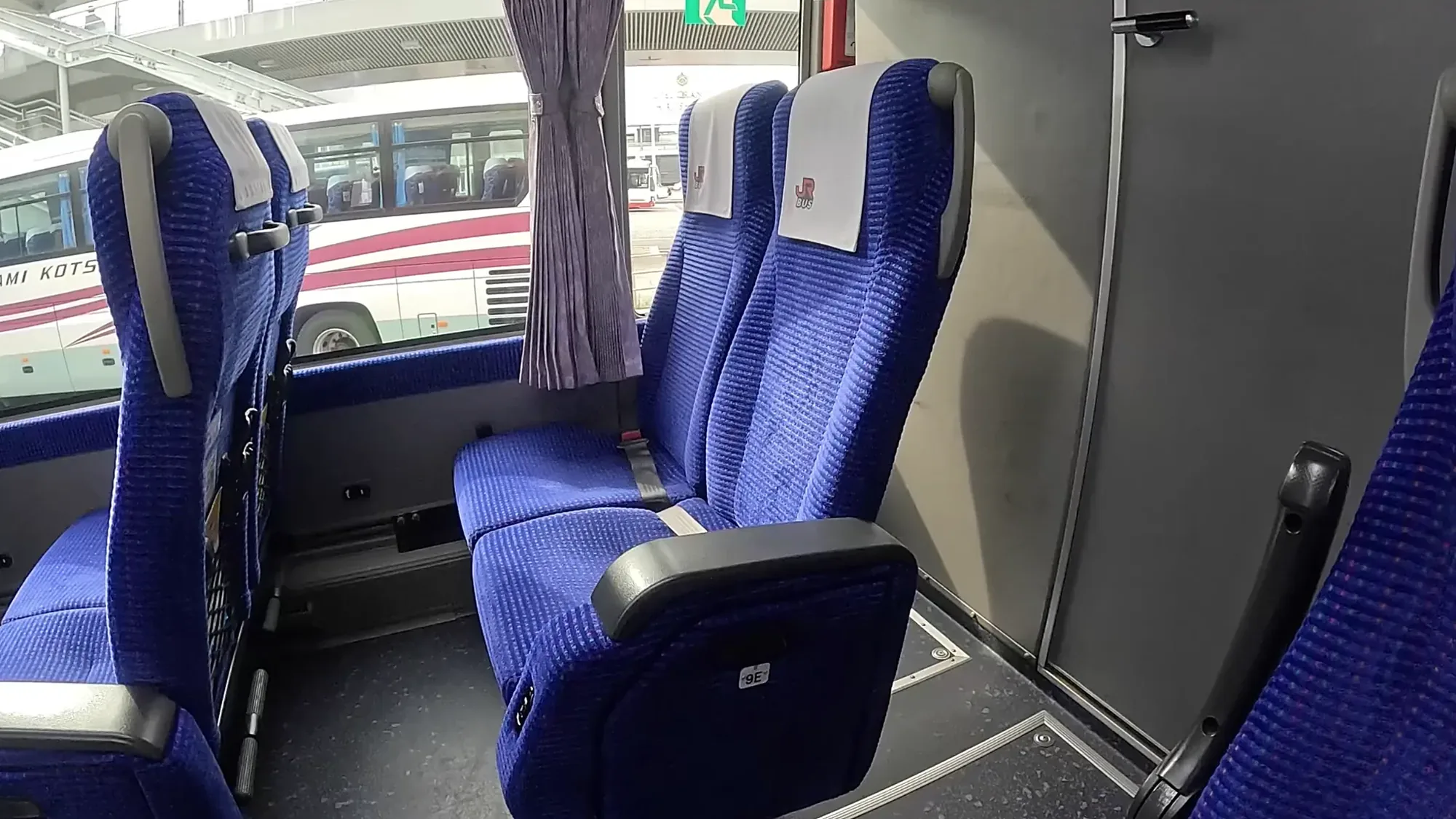
Five hours of your trip are spent getting here and back. Count them honestly.
One night changes the denominator decisively: the same five and a half transit hours now purchase roughly twenty village hours, arrival to departure, a ratio of about one to four, and the purchased hours include the premium ones, dusk, night, dawn, that the day tripper never touches. The second night pushes the ratio past one to eight while adding the excursion day.
Run the same audit from nearer origins and the day trip rehabilitates partially: from Aso Station the round trip is under two bus hours, from Kumamoto about six, so the Aso-based day visit is defensible in a way the Fukuoka one is not. The general law the audit yields: Kurokawa's worth is a function of nights, not distance, because the transit cost is fixed while the village hours compound. Spend the bus hours once and then stop spending them; that is the entire optimisation, and it is spelled o-v-e-r-n-i-g-h-t.
The overnight, honestly
An overnight converts the same journey into one of Japan's best onsen experiences. Check in, bathe at your inn, walk the lanes to one or two tegata baths before dinner, eat the one-seating kaiseki, then soak again in the dark with the river running under the steam; the next morning brings the baths at their emptiest and the day-trippers gone.
Costs are real and the range is genuinely wide: the association's own listings run from ¥12,727 per person with two meals at the smallest inn to ¥122,700 at the most expensive (about US$85 to US$818), with the strong midrange around ¥20,000 to 45,000 (about US$135 to 300).
That near-tenfold spread inside one small village is itself part of the answer — the same lanes, the same tegata, the same famous baths are open to the six-mat room and the villa alike, so "worth it" never required the top of the range. Rooms on weekends go early.
The full cost of a night, totalled honestly
Worth-it questions deserve arithmetic, so here is a real budget, built only from published figures at ¥150 to the dollar. Take the village floor: a night at Genka, the four-room inn at the dead centre, runs ¥12,727 to ¥14,545 (US\$85 to \$97) per person with kaiseki dinner and breakfast included, tax excluded. Add the tegata at ¥1,500 (US\$10) for three open-air baths.
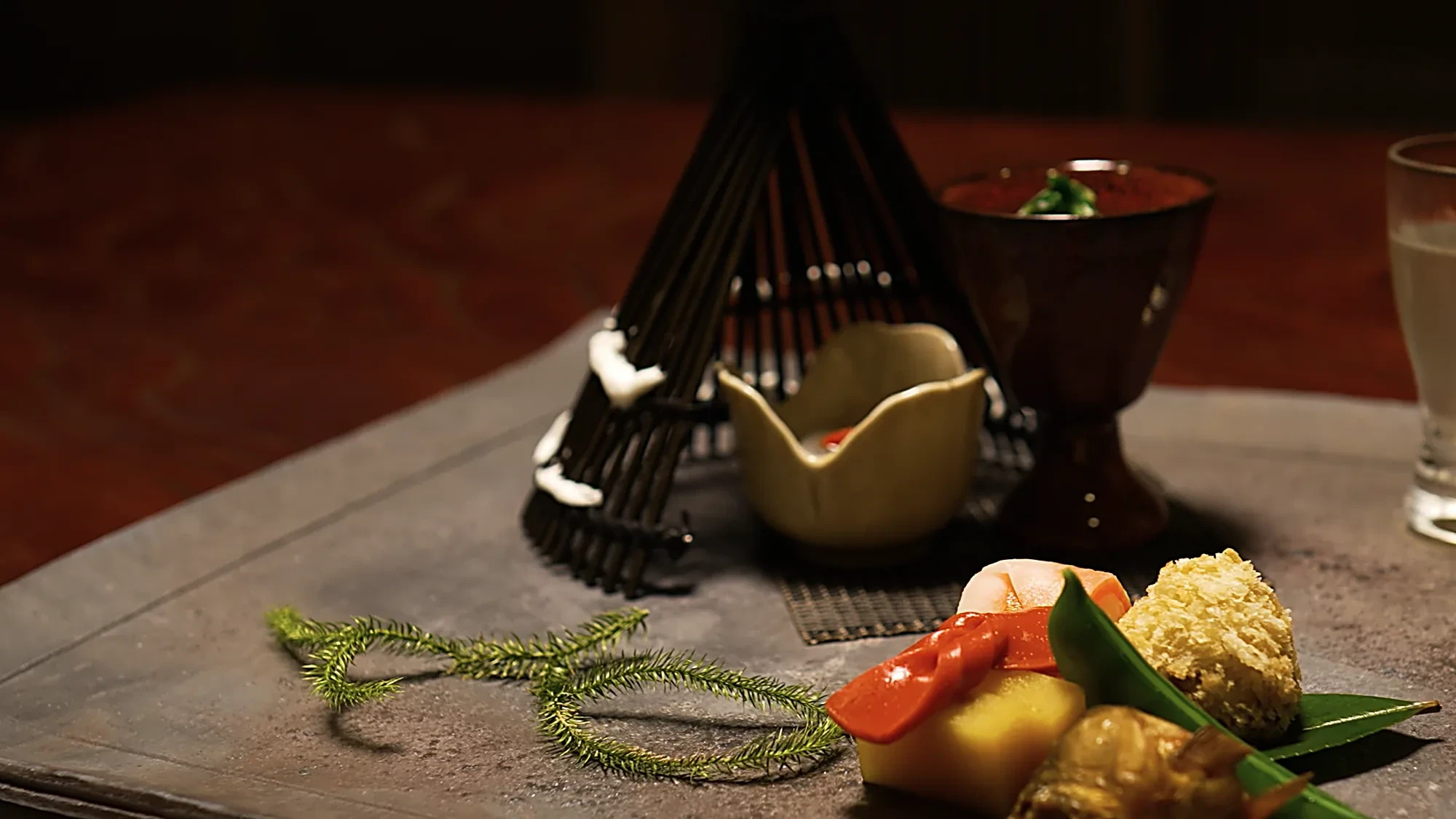
The room rate includes two meals. Compared like for like, it is not expensive.
Add the bus: from Kumamoto, ¥3,400 (US\$23) each way on the current Odan fare table; from Aso Station, ¥1,600 (US\$11) each way. The Kumamoto version totals roughly ¥21,000 (about US\$140) per person for transport, a bed in the middle of the village, a multi-course dinner, breakfast, and three of the best open-air baths in Japan.
Run the same numbers at the strong middle, a ¥25,000 (US\$167) room, and the trip lands near ¥33,000 (about US\$220) per person all-in. That is the range within which almost every Kurokawa overnight actually happens, and it compares startlingly well with what a city hotel plus two restaurant meals costs anywhere in Japan, before any bathing at all.
The top of the scale exists for those who want it, up to Gekkoju's ¥122,700 (US\$818), but the point of the arithmetic is the floor: the full Kurokawa experience, unabridged, is a US\$140 to \$220 proposition. The one figure deliberately missing is the Fukuoka highway bus fare, which the association leaves to the operator and we decline to guess; check it when you book, and treat the Kumamoto figures above as the sourced benchmark.
The second night's argument
One night answers the famous questions. The second night answers the better ones. With a car and a free day, a Kurokawa base opens the rest of the five-hamlet spa area the national designation actually covers, and its two stars do things the village itself does not. Tanohara, up the valley, has run as a working cure-ground for some three hundred years, its source emerging hot enough to need no reheating at all.
Manganji offers the area's strangest bath, built into the bank of the Shizu River so that you soak effectively in the stream, below a thirteenth-century temple, in water clean enough to shelter a legally protected freshwater alga. Add the caldera set pieces, the walk-behind waterfall at Nabegataki and the rim view at Daikanbo, and the second day fills without repeating the first.
The economics favour it too: the marginal cost of night two is the room alone, with the transport already paid, which halves the transit-per-bath ratio the day-trip sceptics rightly complain about. If the first night is worth it, and it is, the second is better value still.
Worth returning to?
A different question hides behind the first one: is Kurokawa a once-in-a-lifetime box to tick, or a place to come back to? The village's own systems answer it. The tegata is built for return, valid six months with the association explicitly inviting you to finish it on a later visit.
The calendar is built for return, because the two illumination seasons, winter's lanterns and summer's parasols, make January and July into genuinely different trips, and the November gorge is a third. And the depth is built for return: twenty-five baths against a three-stamp pass means a first visit samples an eighth of the circuit, while the other four hamlets of the spa area wait beyond that. Few destinations at this scale hold three distinct trips inside one valley. Kurokawa does, which is the quietest and maybe the strongest part of the verdict.
Who should skip it
Travellers without a spare night in Kyushu, because the bus economics punish haste. Anyone expecting nightlife, shopping, or a town to explore beyond the baths and the valley's sights. Visitors with tattoos who plan only on shared baths should read the tattoo page first — policy is per-inn and there is no published list — though a private kashikiri bath solves it cleanly. And at the peak of midsummer, midday open-air bathing takes commitment; the working pattern is dawn and evening soaks, so if you cannot bathe at the day's edges, autumn through spring is the easier window.
Who Kurokawa is for, precisely
The village rewards some travellers far more than others, and knowing which you are settles the question faster than any verdict of ours. It is for bath collectors, because the tegata's three stamps can be three genuinely different waters; the wider spa area's own record maps simple, chloride, bicarbonate and sulphur springs across its hamlets, and even inside the village the baths run from clear to Misato's colour-changing sulphur.
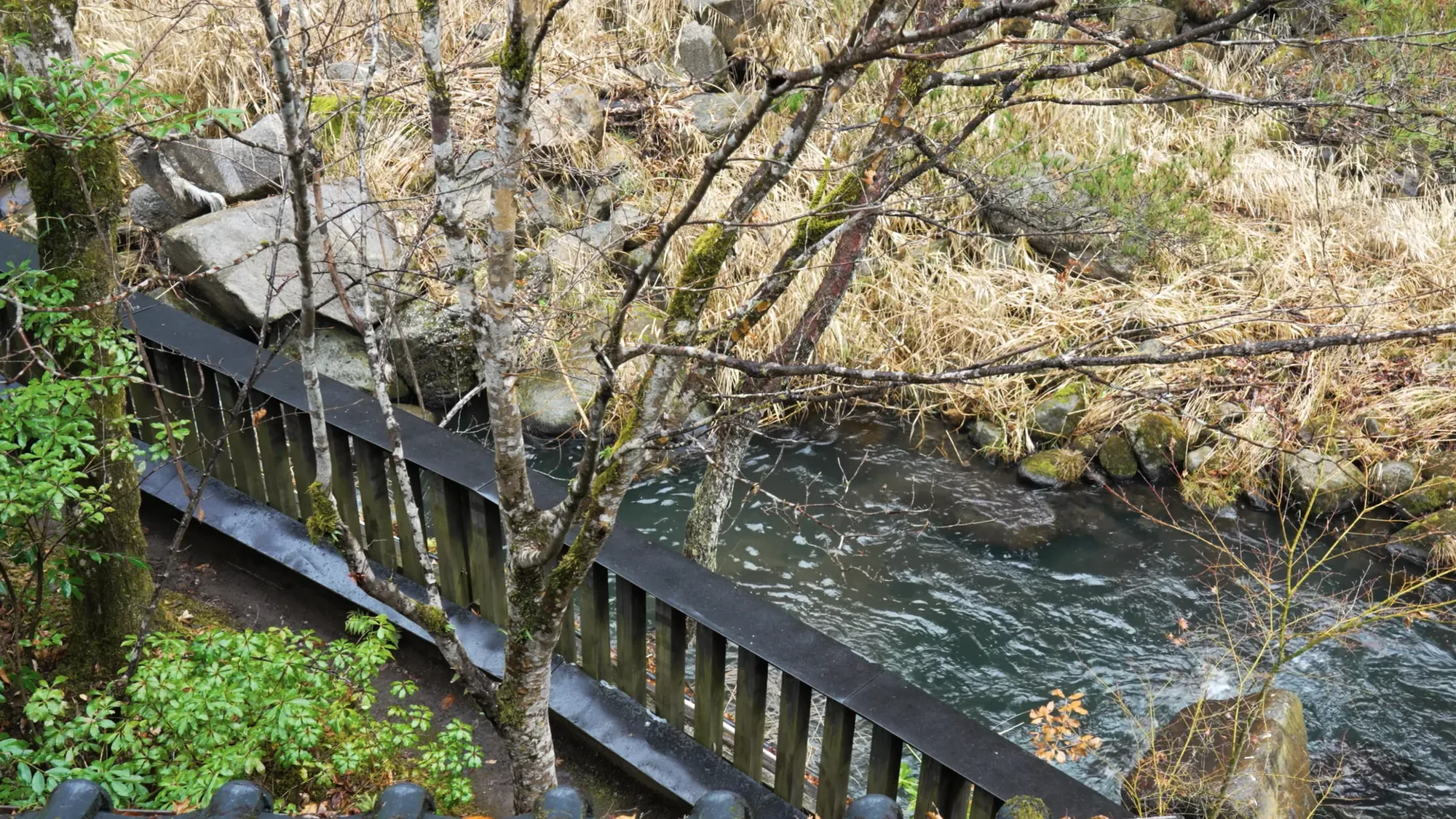
If you want nightlife or a lot to see, this is the wrong valley.
It is for couples, because the kashikiri culture, private baths rentable by the hour and, at Kurokawa-so, three of them free with a reservation, builds a two-person evening better than any resort spa. It is for food-led travellers, and the proof is structural: the village's two newest specialist kitchens are reservation-only, and one of them serves its evening course only to guests sleeping in Kurokawa, which tells you where the food culture's loyalty lies.
It is for families, because the child tegata at ¥700 (US\$4.70) and the food sticker turn bath-hopping into a game a nine-year-old will finish proudly. And it is for anyone travelling in the spirit the village itself legislates: the association's visitor code, non-smoking lanes, no drones, quiet, sorted rubbish, reads less like rules than like a description of its ideal guest. If that list sounds like a welcome rather than a warning, the bus ride will not feel long.
With children, with elders: the two hesitations, answered
Two versions of the question arrive with extra weight, and both deserve unhedged answers. With children: worth it, structurally, because the village's systems already answer the family objections. The child tegata prices small bathers in at ¥700 (US\$4.70), the sticker converts fatigue into soft-serve without waste, the kashikiri hour privatises any bath a shy or boisterous child would struggle with, the Senninburo's scale absorbs energy, and the footbaths catch the members of the party who are done.
The honest limits: kaiseki's set seatings suit fed-beforehand toddlers poorly, so flag ages at booking and consider in-room dining where offered, and the mountain river is scenery, not swimming. With elders and limited mobility: worth it with routing, and the routing is documented.
The centre cluster's flat approaches put four famous houses a corridor from the lanes; the barrier-free facet and the association's enquiry form exist precisely for this question; the stone lanes and stepped riverbank approaches are the honest hazards, worst wet or iced; and the room-to-bath distance, which no listing states, is the single question to ask the inn directly.
A three-generation Kurokawa trip, planned on those lines, one centre inn, one kashikiri hour for the grandparents, stamps chosen for approach rather than fame, is not a compromise itinerary. It is the village used exactly as its own systems intend, and it is one of the best such trips Japan offers.
The sceptic's case, taken seriously
An honest worth-it page should argue against itself, so here is the strongest case for skipping Kurokawa, stated without a strawman in it. The transit really is long relative to the stay: five-plus hours of buses for a village you can walk across in a quarter of an hour. The famous baths draw the same shortlist of visitors at the same midday hours, so the celebrated pools are at their least atmospheric exactly when day-trippers can use them.
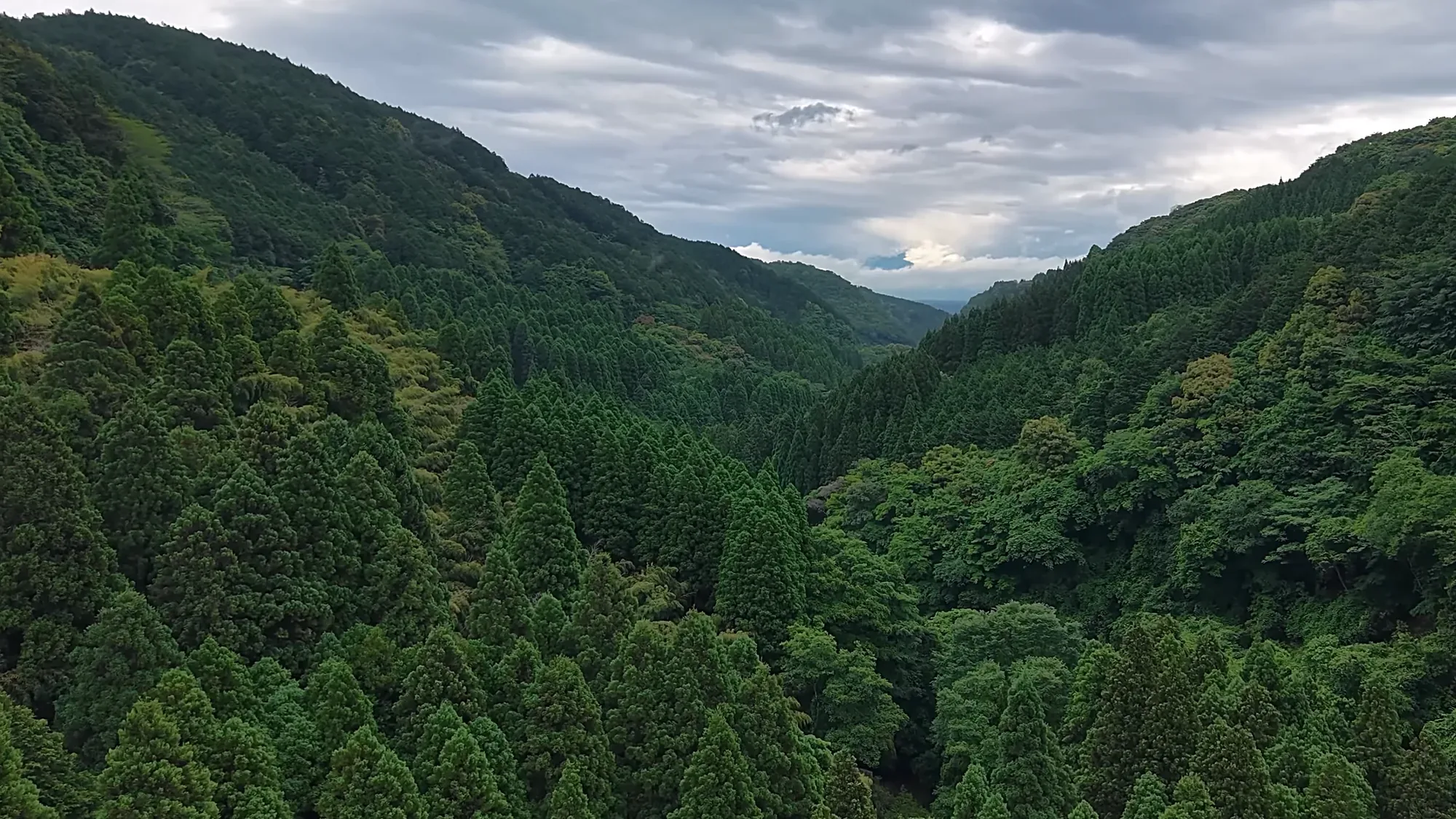
It is remote, it is staged, and it is not cheap. All three are fair.
There is no nightlife beyond your inn's walls and a couple of late counters, no shopping beyond one lane of small makers, and the photography ban in the baths means the most photogenic thing you will do all day produces no photographs. It is a cash-leaning village where card acceptance varies by house. And the water is hot: three serious soaks in an afternoon defeats a fair share of first-timers, who pay for three stamps and comfortably use two.
Every item on that list is true, and each one dissolves under a single change: stay the night. The transit ratio halves. The crowded hours become the hours you spend on a walk or a nap, because dawn and dusk belong to sleeping guests. The absence of nightlife stops being a defect when the night itself, lanterns, river, steam, is the entertainment. Even the third stamp stops being a problem, since the pass waits six months for your next visit. The sceptic's case is really a case against the day trip, and on that narrower charge, we largely agree with it.
How Kurokawa trips actually fail, and the preventions
Honesty about worth requires an autopsy file, and the failed trips this site hears about share four anatomies, each preventable with one habit. The late-arrival failure: reaching the village at four, finding the famous doors turning to house guests, bathing once, concluding the tegata is a con; prevented by the morning bus and the board-first rule, or by simply staying the night the plan was pricing anyway.
The unprepared-ink failure: a tattooed traveller improvising at front desks, collecting two refusals and a bruised afternoon; prevented by the enquiry-form route and the kashikiri booking the association itself recommends. The peak-squeeze failure: aiming at Obon or a November Saturday with three weeks' notice, paying the ceiling for the leftover room, riding a full bus, and blaming the village for arithmetic; prevented by the booking calendar, or by the shoulder weeks that carry the same scenery.
And the wrong-expectations failure: arriving primed for nightlife, shopping and sights, finding lanes that close at five, and writing the review this page keeps answering; prevented by reading, anywhere, what the village actually is. Notice what is absent from the file: failures of the water, the inns, the food or the welcome, which is to say failures of the product.
Kurokawa disappoints almost exclusively through mismatched plans, and a mismatch is the one travel problem a guide can actually fix in advance, which is the working theory of every page on this site.
The verdict
Overnight: worth it without hesitation, one of the two or three best onsen stays in Japan. Two nights suit bath devotees, who can also drive out to Nabegataki Falls and the Daikanbō caldera rim between soaks. A day trip from Fukuoka is worth it only if there is no other way, and with managed expectations. Kurokawa was rebuilt by its innkeepers as a place to stay the night; take the hint.
Seven trips, seven verdicts
The general verdict is settled above; specific trips deserve specific answers, so here are the seven that fill our inbox, ruled on individually. The honeymoon: yes without reservation, and aim it at the quiet tier, a stream or hillside house, with the kashikiri hour booked at reservation; the village was practically designed for two people who want to be left alone somewhere beautiful.
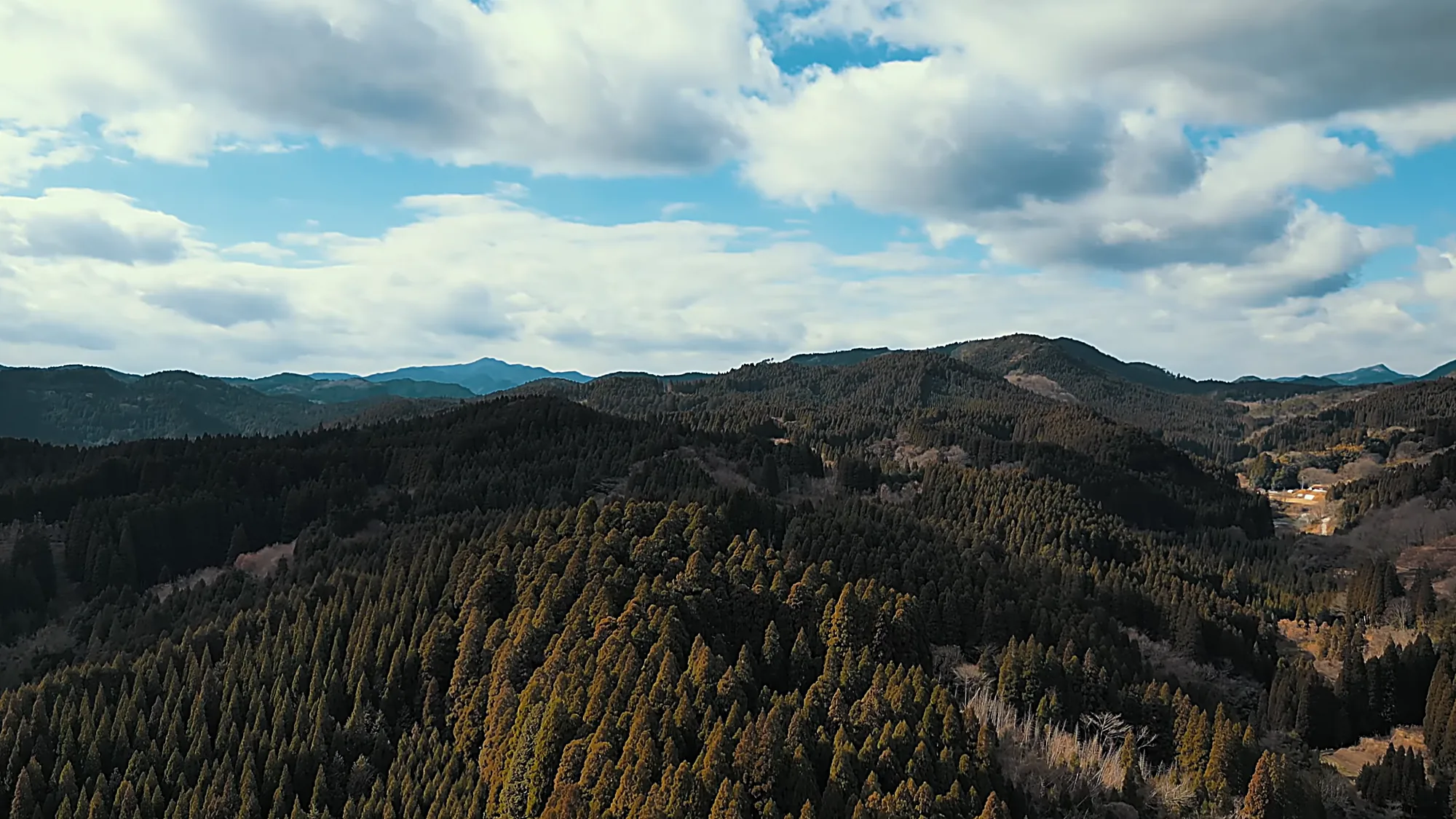
Seven ways of arriving here, and they do not all end in a yes.
The family Kyushu loop: yes, one night, with the child tegata, the Senninburo's space and the sticker's soft-serve exit making the day genuinely child-shaped; two nights only if the caldera day is in the plan. The solo trip: a qualified yes, the qualification being booking rather than experience, since per-person pricing and small houses mean filtering for solo acceptance first; once booked, a solo bather may be the village's best-served customer, three baths, a counter seat at Waroku-ya, and nobody's schedule but the board's.
The backpacker itinerary: an honest no as usually constructed, because there is no hostel tier and the floor is a ¥12,727 (US\$85) inn night; the exception is the backpacker willing to spend one planned splurge night, for whom Kurokawa is the single best place in Kyushu to spend it. The luxury-only traveller: yes at Gekkoju's tier or the premium rooms, with the caveat the luxury page states plainly, that the village's luxury is seclusion and water, never spectacle.
The onsen-collector: emphatically yes, four to five spring families across the designation, the format taxonomy, and the five-hamlet extension making this the densest collecting ground in Kyushu. And the photographer: yes with the calendar open, because the bath ban concentrates the craft into the lanes and seasons, and the two illuminations plus November daylight are the working windows. Seven trips, six yeses of varying warmth, one honest no, which is about the ratio a real place should produce.
Worth it in every season? Four smaller verdicts
The master verdict holds year-round, but each season carries its own version of the question, and the marginal cases deserve rulings. Worth it in deep winter, the peak-price season? Most of all: the product the village was rebuilt to sell, steam against cold with lanterns after dark, exists fully only now, and the premium buys the maximum version of the place. Worth it in the rainy season, the calendar's supposed trough?
Yes, with the method the best-time page details, because a bathing village is the destination class most immune to rain; the trough pricing and empty lanes are the quiet bonus. Worth it in high summer, when a hot bath sounds absurd?
Yes on the highland clock, dawn and evening bathing with the caldera day between, and the 700 m (2,300 ft) altitude doing the air-conditioning; the one summer window to think twice about is Obon week, where the squeeze is real and the suburbs of the holiday serve better. Worth it in November, against the booking fight?
Yes if you book like it matters or travel midweek; the gorge over the baths is the year's single best daylight scene, and no crowd yet assembled in this village has managed to spoil a bath you are already sitting in. The pattern across all four: the seasonal question is never whether the village performs, it is whether you have matched your method to the month, and the pages of this site exist to make that matching mechanical.
The verdicts, one sentence each
For the reader who arrived with one specific question, the file in miniature. Worth it from Fukuoka overnight: yes, the benchmark trip. As a Fukuoka day trip: only as a fallback, eyes open. From Aso or Kumamoto: yes, and the day trip becomes defensible from Aso. With children: yes, the systems are built for you. With limited mobility: yes with routing through the centre cluster and the enquiry form.
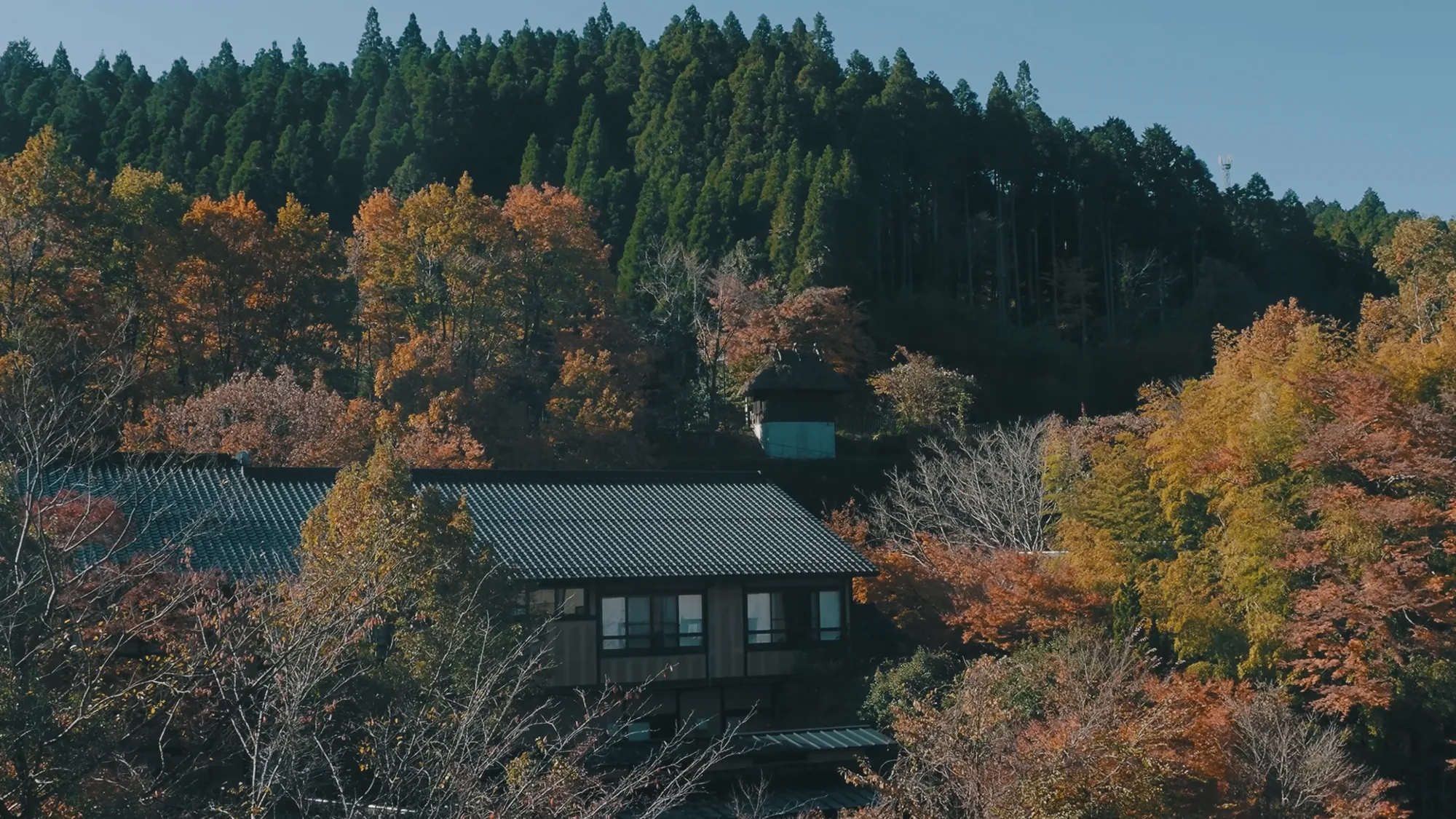
Worth a detour, not a pilgrimage. Unless you came for the water.
With tattoos: yes via the official process, and privately in any case. On a strict budget: yes at the floor inns, and no if a bunk is the requirement. For luxury: yes, redefined as seclusion and water. In rain: yes, unusually so. At Obon or Golden Week: only with months of lead. For a second visit: yes, by the village's own design.
As the single onsen stop of a first Japan trip: yes against Yufuin and Beppu if quiet and bathing rank first, and the triangle bus lets you audit our answer in person. Every sentence above is argued at length somewhere on this page or its siblings; this list exists so that no reader leaves with their particular question unanswered, which is, in the end, this page's whole definition of worth.
Tips
Book the bus both ways in advance; Fukuoka departures are few and sell out on weekends.
Buy the Nyūtō Tegata on arrival and use the six-month validity as freedom, not a deadline.
If day-tripping, target baths near the village center and skip the outlying inns.
Autumn foliage and winter steam are the photogenic peaks; book those seasons furthest ahead.
Pair Kurokawa with Aso or Yufuin in a Kyushu loop to spread the transit cost.
Frequently asked questions
Is Kurokawa Onsen worth visiting as a day trip?
How many nights do you need in Kurokawa Onsen?
Is Kurokawa Onsen expensive?
Can you visit Kurokawa Onsen without a car?

Verified by The Japan Onsen Society
Show all sources
Verified July 7 to 16 and September 6, 2026 by The Japan Onsen Society. The tegata price, the 25-bath count, the 30 inns, the ¥12,727–122,700 band and the Fukuoka 2h45 journey are the association's own; the single-bath fee is visitor-reported and bus services are perishable under the 2026 earthquake reductions.
Tegata ¥1,500 · 25 baths · 30 inns · per-person two-meal band ¥12,727–122,700 · 黒川温泉一旅館 slogan · two illuminations → 黒川温泉観光旅館協同組合 kurokawaonsen.or.jp → verified Sep 6, 2026
Fukuoka 2 hr 45 min · live traffic + 2026 earthquake reductions → 組合 access/weather_traffic → perishable, re-check
VERIFY:
Nyūtō Tegata current price and count of participating baths (25) confirmed; re-confirm each season
Fukuoka–Kurokawa bus: duration 2.5–3 hr, frequency (3–4/day), current fare (~¥3,500; pull exact from Kyushu Highway Bus)
Typical ryokan rate range ¥20,000–45,000 pp with meals: spot-check 3 inns
"~26 rotenburo open to bath-hoppers" and "about 30 ryokan" against kurokawaonsen.or.jp
"Close to 100% overnight town" — internal SEMRush/positioning claim; keep only if network data supports
USD conversions assume ~¥150/$1. Update ¥→USD at publish.
黒川温泉観光旅館協同組合 (Kurokawa Onsen Ryokan Co-operative Association) - the absent-from-the-map-until-2000 statement (/about/), the tegata price and fortieth anniversary (/tegata/), the visitor code (/faq/), the inn price bands used in the budget arithmetic (/oyado/), verified September 6 and 7, 2026
九州産交バス 九州横断バス運賃表 (Kyushu Sanko Bus, Odan fare table, revised August 1, 2026) - the Kumamoto, Aso, Yufuin and Beppu fares in the comparison and budget sections, verified August 18, 2026
日本温泉協会 国民保養温泉地 南小国温泉郷 (Japan Spa Association, national recuperation-area profile) - the per-hamlet spring map, Tanohara's 300-year cure-ground and no-reheating source, Manganji's riverside bath, protected alga and 13th-century temple, verified September 6, 2026
黒川温泉観光旅館協同組合 天気・交通情報 (live weather and traffic page) - earthquake-era service status; perishable, re-check before travel
日本温泉協会 温泉地詳細[黒川] (spring-area record) - the Senninburo scale and centre-cluster bath facts in the family and mobility verdicts, verified July 7 and September 6, 2026
Related guides

Trip Planning
Kurokawa Onsen: The Complete Guide
A wooden pass buys three baths from twenty-five. The innkeepers agreed, decades ago, to look like this.

Trip Planning
How long
Kurokawa is small, but small does not mean quick. Its best hours — dusk, night, dawn — are the ones only sleeping there unlocks.
Trip Planning
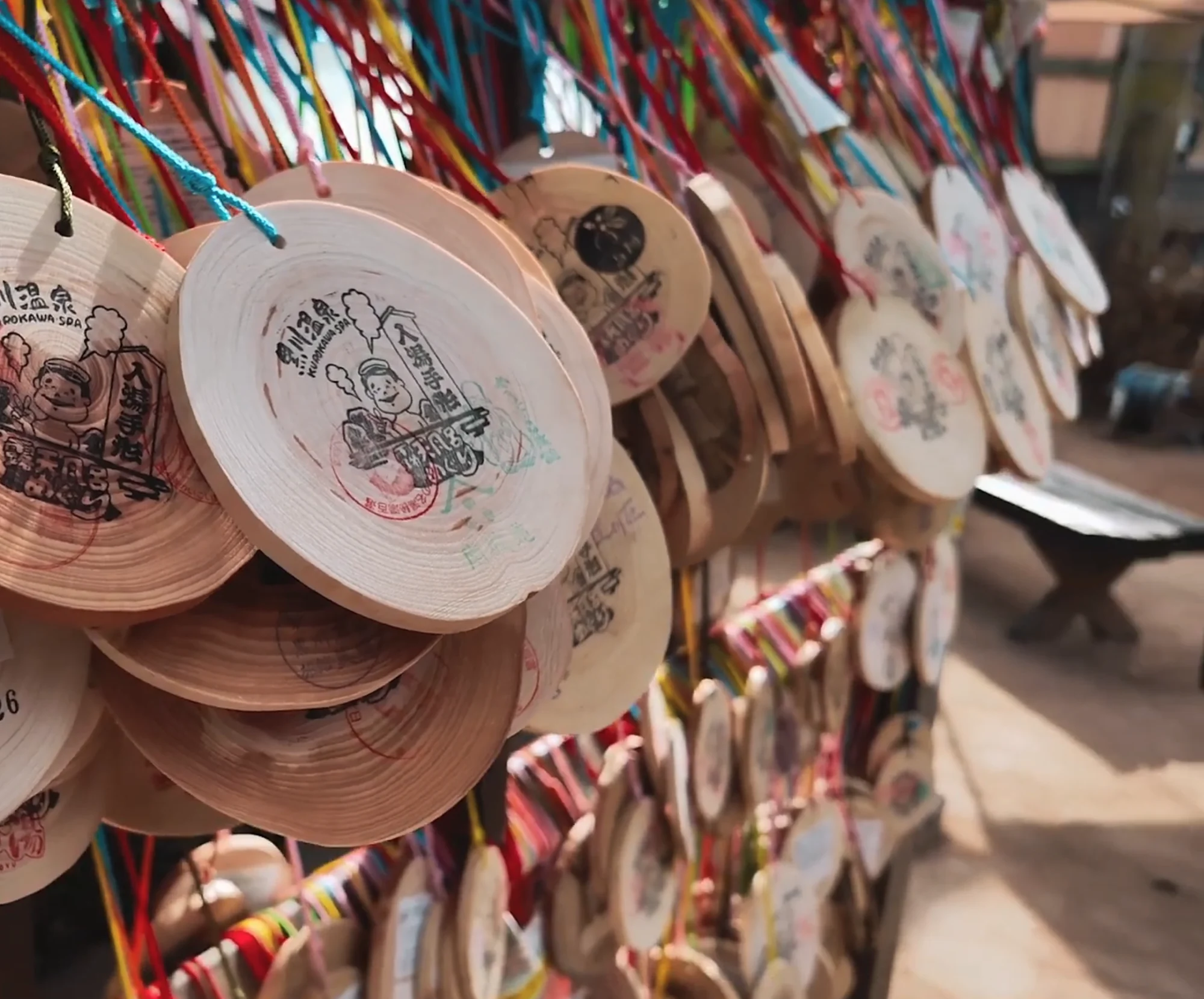
The Nyūtō Tegata Explained
A wooden disc buys any three of twenty-five baths, valid six months. Two stickers can go to baths and the third to lunch.