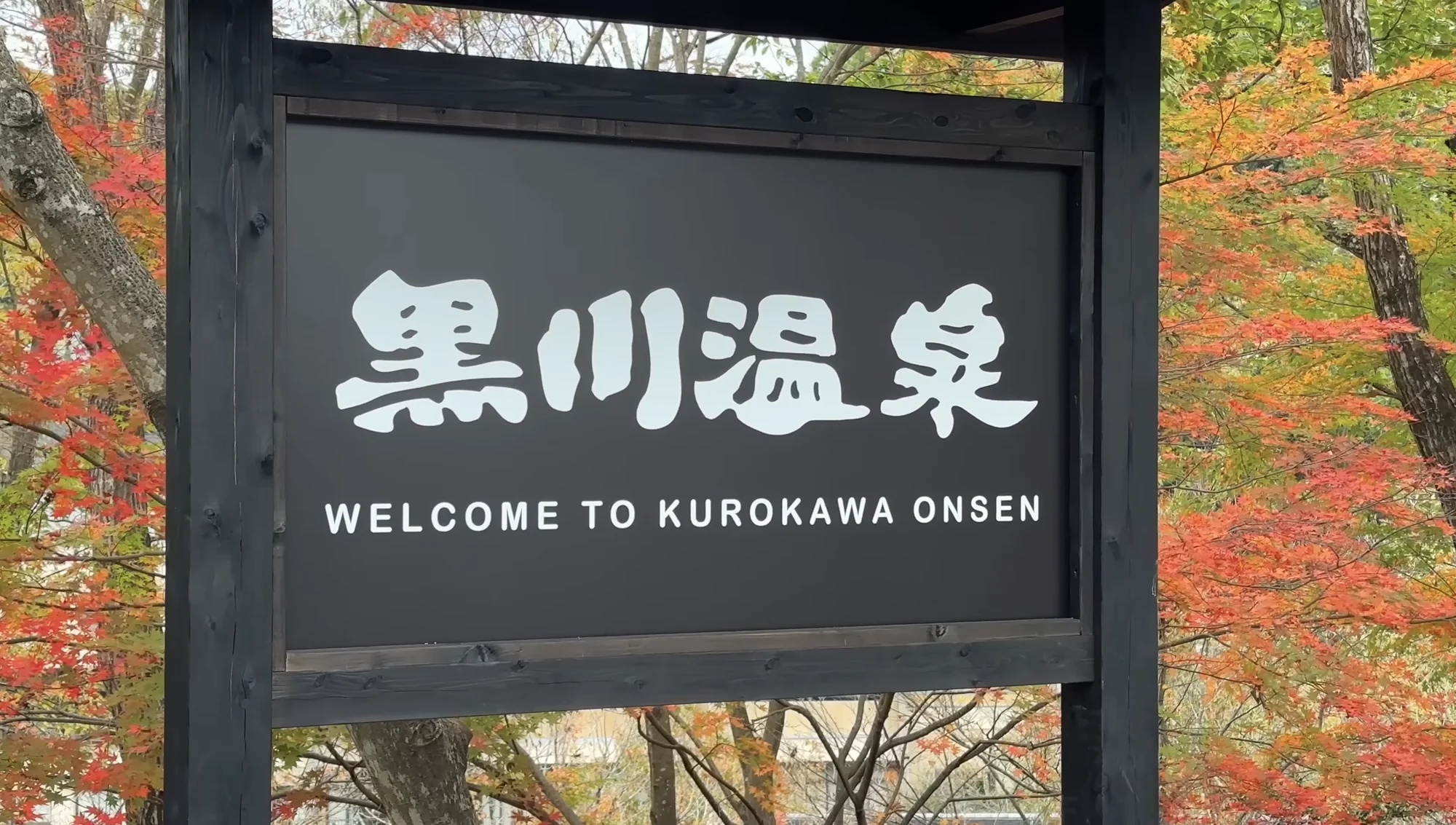
Why the village runs late, and cool
One fact governs Kurokawa's whole calendar, and the ryokan association states it plainly: the village sits at about 700 m (2,300 ft) and runs three to five degrees Celsius (five to nine degrees Fahrenheit) cooler than the Kumamoto lowlands. That is why its cherry blossom opens in early April rather than late March, why its gorge foliage waits until early-to-mid November, and why its summers stay bearable when the plains below are sweltering.
Read every date on this page as a highland date, a week or two behind whatever the national forecast maps show, and you will plan the seasons correctly. The one constant under all of it is the water: because the source runs hot enough that many inns add water to cool it, the baths are at bathing temperature in every season, so there is never a bad month for the reason you actually came.
Why the crowds behave the way they do
Kurokawa's crowd pattern is unusually predictable, and the reason is structural: every channel into the village has a hard ceiling. The day-trip flow is throttled by the bus timetable, a handful of reserved Fukuoka departures and the Odan's scheduled runs, so the day crowd cannot surge past the seats sold, which is why even peak days feel busy rather than overrun, and why the earthquake-era service reductions have, if anything, tightened that throttle.
The overnight population is capped by the inn stock itself, thirty small houses, many under ten rooms, four at the smallest, so the village's sleeping capacity is fixed in a way no hotel town's is; a sold-out Saturday adds not one extra guest. Parking is limited by rule, roadside parking barred by the visitor code, which caps the drive-in crowd in turn.
Stack the three ceilings and the famous congestion of a November weekend resolves into what it actually is: the same modest maximum as any other full day, experienced mostly between 11:00 and 15:00 on the two central lanes, because that is when and where all three channels overlap. The planning conversions are mechanical.
Move your bathing outside the overlap hours and the peak thins around you; sleep in the village and two of the three ceilings work in your favour; and if you must have emptiness itself, the calendar's midweeks plus the structural caps mean Kurokawa can be had nearly private for the price of a Tuesday. Few destinations publish their own crowd model this legibly; this village's is written in its bus seats, room counts and parking rules.
Month by month, in one pass
Ask the question the way most travellers actually ask it, with a fixed month already in hand, and Kurokawa answers well in ten of twelve. Here is the year at a glance, every date anchored to the association's own published calendar. The short version first, in full: the best time to visit Kurokawa Onsen is winter, roughly December 20 to March 31, when the Yuakari bamboo lanterns light the lanes nightly and the open-air baths steam against near-freezing highland air.
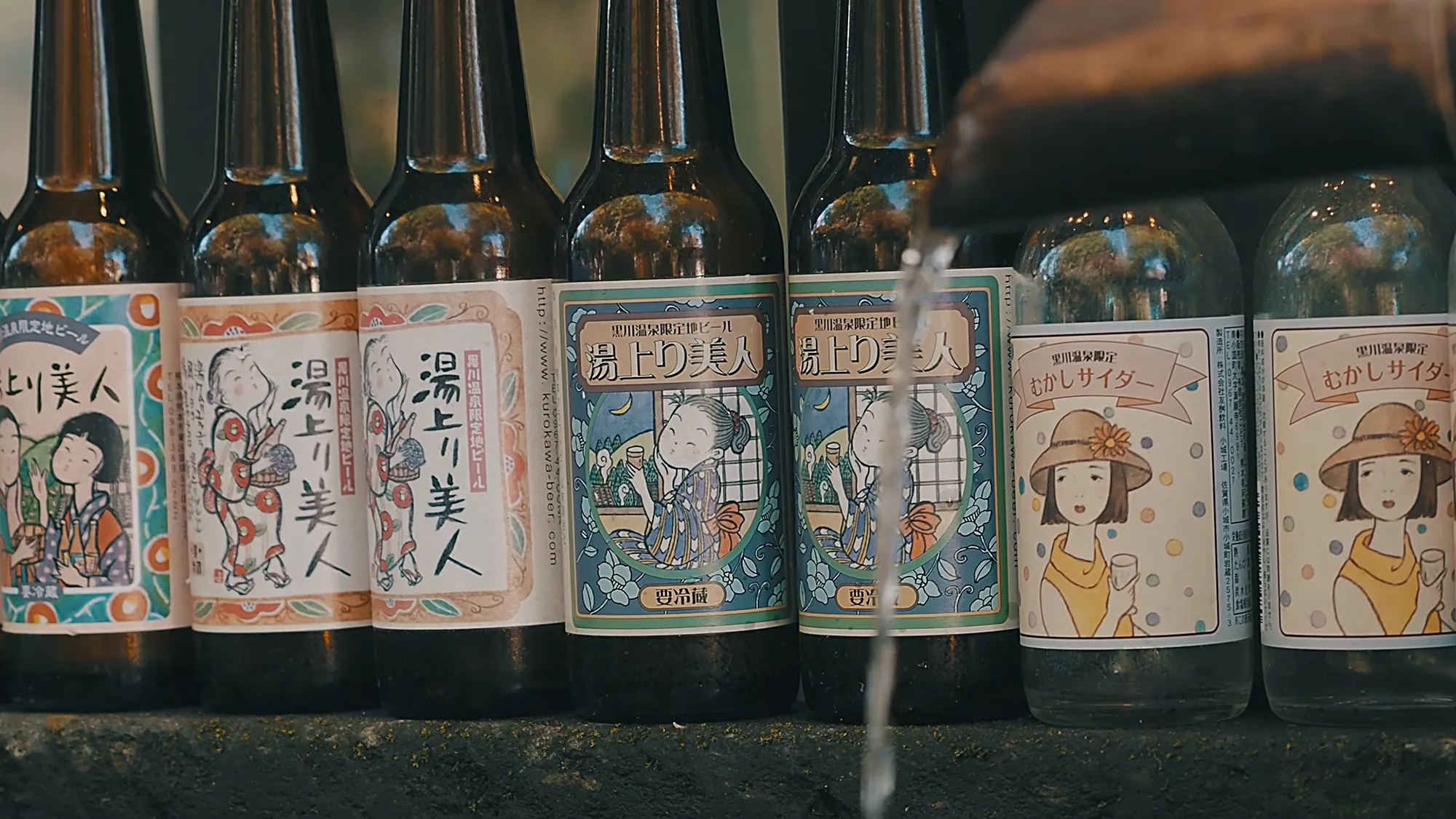
Twelve months, and no month the village is actually closed.
The best alternative is early-to-mid November, when the gorge foliage peaks directly over the riverside baths, at the cost of the year's tightest bookings. The best value is May, June or September, midweek, when the village is green, warm-water identical, and easy to book.
And because the village sits at about 700 m (2,300 ft), running three to five degrees Celsius (five to nine Fahrenheit) cooler than the lowlands, every date below runs a week or two behind the lowland season maps.
January. Deep winter, Yuakari burning nightly, the year's best steam and its quietest midweeks once New Year clears. The connoisseur's month.
February. The same virtues as January with marginally longer daylight. Cold enough that the walk between baths is part of the bathing.
March. Yuakari runs to March 31, so early March is the sleeper window: winter's evening act with spring's thinning crowds. Late March stays bare-branched at this altitude.
April. The village's cherries open in early April, scattered mountain trees against cedar rather than a blossom tunnel. A local, likeable spring, not a destination one.
May. Green season proper: new leaf, full river, relaxed bookings outside Golden Week's first days. If price and quiet rank above spectacle, this is the month.
June. Kasa Andon opens June 1, the parasol-and-lantern summer illumination almost no English guide mentions. Early-summer rain suits a village built around hot water and covered lanes.
July. Highland summer, bathing pushed to dawn and evening, the caldera at its greenest for excursions. Midweeks stay gentle until the holidays begin.
August. The one hard summer peak: school holidays and Obon compress the village's beds. Evenings at 700 m still cool off in a way the lowland cities never do.
September. Kasa Andon runs to September 30, crowds thin, and the caldera grasslands stand at full height. The most underrated month on the calendar.
October. The high country turns first, making this the driver's month, with the Yamanami Highway and the Senomoto grasslands in colour while the village below holds green.
November. The gorge peaks early-to-mid month, the year's most photographed daylight and its most contested weekends. Book months out or come midweek.
December. Yuakari begins December 20, and the nights before New Year are among the loveliest of the year. The week between Christmas and January 3 books like a festival, because it is one.
Choosing between two shortlisted months
Real planning usually ends in a two-month coin flip, so here are the three commonest, called honestly. January against February: near-identical on paper, both deep winter, both Yuakari, both quiet midweek; February wins on marginally longer daylight for the same lanterns, January wins on the post-New-Year hush, and the honest tiebreaker is airfare, since the village experience is a dead heat.
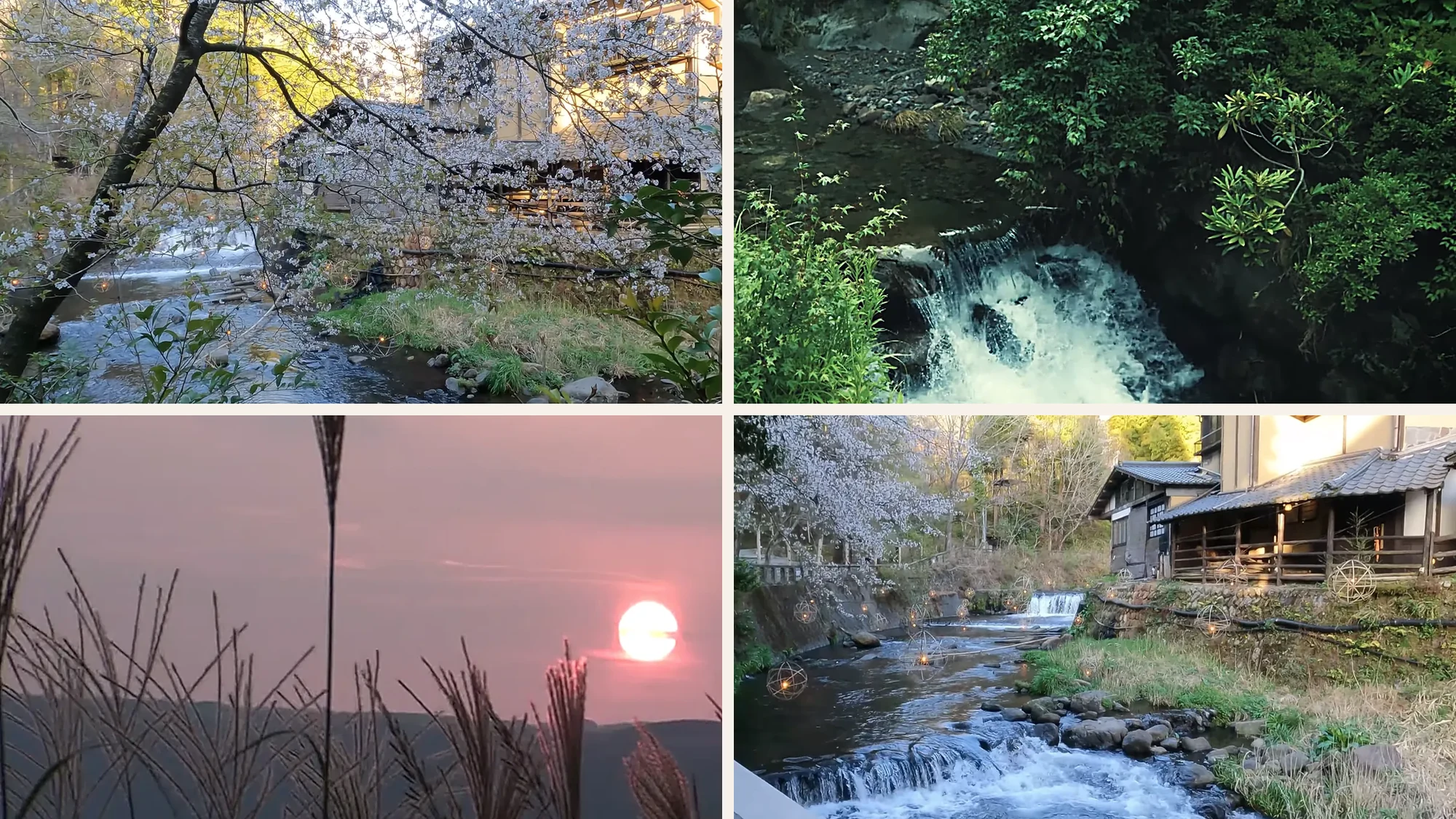
Four months, four different villages. Pick the one you actually want.
October against November: not actually close, different products entirely; October is the driver's month, high-country colour and calm lanes, November the village's own show with the booking fight attached, so choose by whether the car or the gorge is the trip's engine.
June against September: the connoisseur's pair, both green, both quiet, both inside the Kasa Andon window; June carries the flagged fireflies and the rain-glossed lanes, September the cured grasslands and the steadier skies, and travellers who hate umbrellas should take September while travellers who love atmosphere should take June. In all three cases the deciding weight is never the village, which performs in every month named; it is the traveller's own tolerance for cold, crowds, rain or price. The calendar above gives the facts; the coin flip is, properly, about you.
The shoulder days: the calendar's best-kept secrets
Every named season above has edges, and the edges out-perform their reputations. The last week of Yuakari, late March, pairs the lanterns with the first mild evenings, thinning crowds and a village exhaling after its peak, arguably the illumination's most comfortable viewing of the whole run. The first week of December, before the lanterns open on the 20th, is the year's quietest cold-weather bathing, full winter contrast with shoulder-season rooms, for travellers who want the steam without the show.
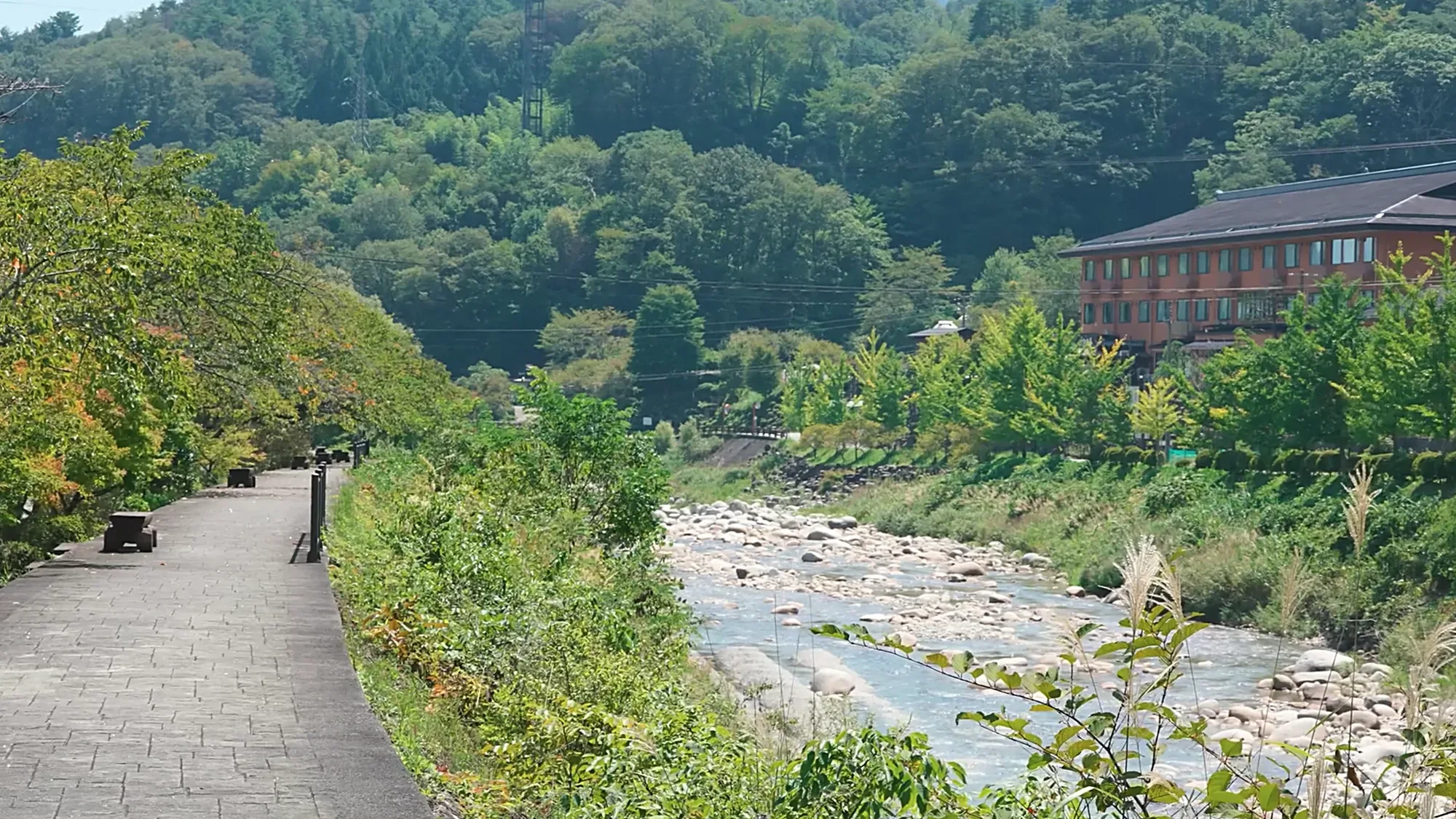
The days either side of a holiday are the ones worth knowing about.
Late September, as Kasa Andon closes on the 30th, catches the parasols, the cured grasslands and the first genuinely cold dawns in one visit. And the last days of October hold the overlap the drives are built for, high-country colour at peak while the village below begins to turn, the only week the camera can have both. None of these windows appears in any ranking of best months, because rankings deal in wholes; the village, lived in, deals in weeks.
If your dates land on an edge, read it as luck rather than compromise, and if you can choose freely, know that the writers of this page, asked privately, book the edges.
Winter (December to March): the strongest case
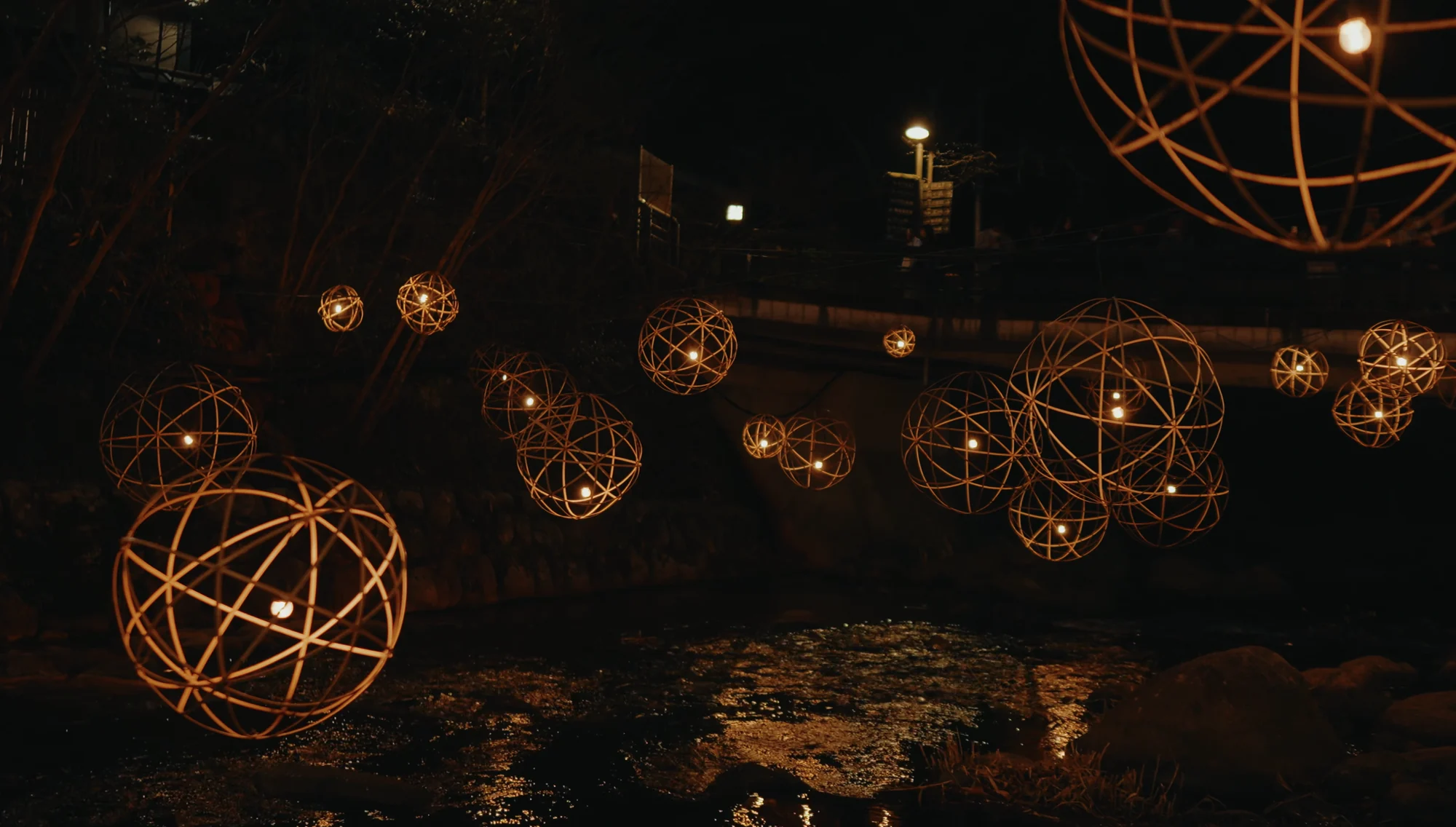
Cold air completes a rotenburo, and winter is when Kurokawa's baths finally get it: a 40°C+ (104°F+) open-air soak against near-freezing mountain air is the whole argument for the village, and the steam turns every bath photogenic. The evenings carry Yuakari, the handmade bamboo-lantern illumination that lines the Tanoharu River and lanes nightly from dusk to 10 pm, roughly December 20 to March 31 (dates are set each season).
And the day-trip flow thins, so a midweek winter village feels half-private. The costs are real: Yuakari-season Saturdays and New Year compress the village's scarce beds, and the Aso caldera approach roads ice over, so drivers need winter tyres and daylight arrivals. Snow is a gift rather than a guarantee at this altitude — expect several proper falls a season with cold clear nights between.
The move: book early, stay overnight, and prefer January or February midweek for the best ratio of season to crowd. Winter has its own page, as does Yuakari.
Spring (April to June): the green quiet
The gorge wakes late. Bare branches hold into early April at this altitude, then the valley greens in a rush, and the cherries arrive in early April as scattered mountain trees against the cedar — lovely and local, not a blossom destination, which is the right expectation to pack.
May is the connoisseur's slot: new leaf over the river, meltwater fullness under the bridges, comfortable bath temperatures at any hour, and the year's most relaxed bookings, even at inns that turn budget travellers away in peak months. Early June adds rain-glossed lanes before the wet season proper, and the rains suit Kurokawa's covered-walkway, indoor-outdoor bathing rhythm better than they suit most places.
The one exception to spring's ease is Golden Week, late April into early May, which books out like November; commit months ahead or take the quiet weeks on either side.
The wet season, answered honestly
Kyushu's early summer carries Japan's rainy season, the weeks of soft, persistent wet that run from roughly mid-June into July, and best-time pages usually treat it as a month to route around. Kurokawa is the rare destination where that advice deserves reversal, for reasons the village's own architecture supplies. Its core activities are conducted wet by definition; a rotenburo in the rain is not a compromised rotenburo but a variant, the surface dimpling around your shoulders while the cedar drips.
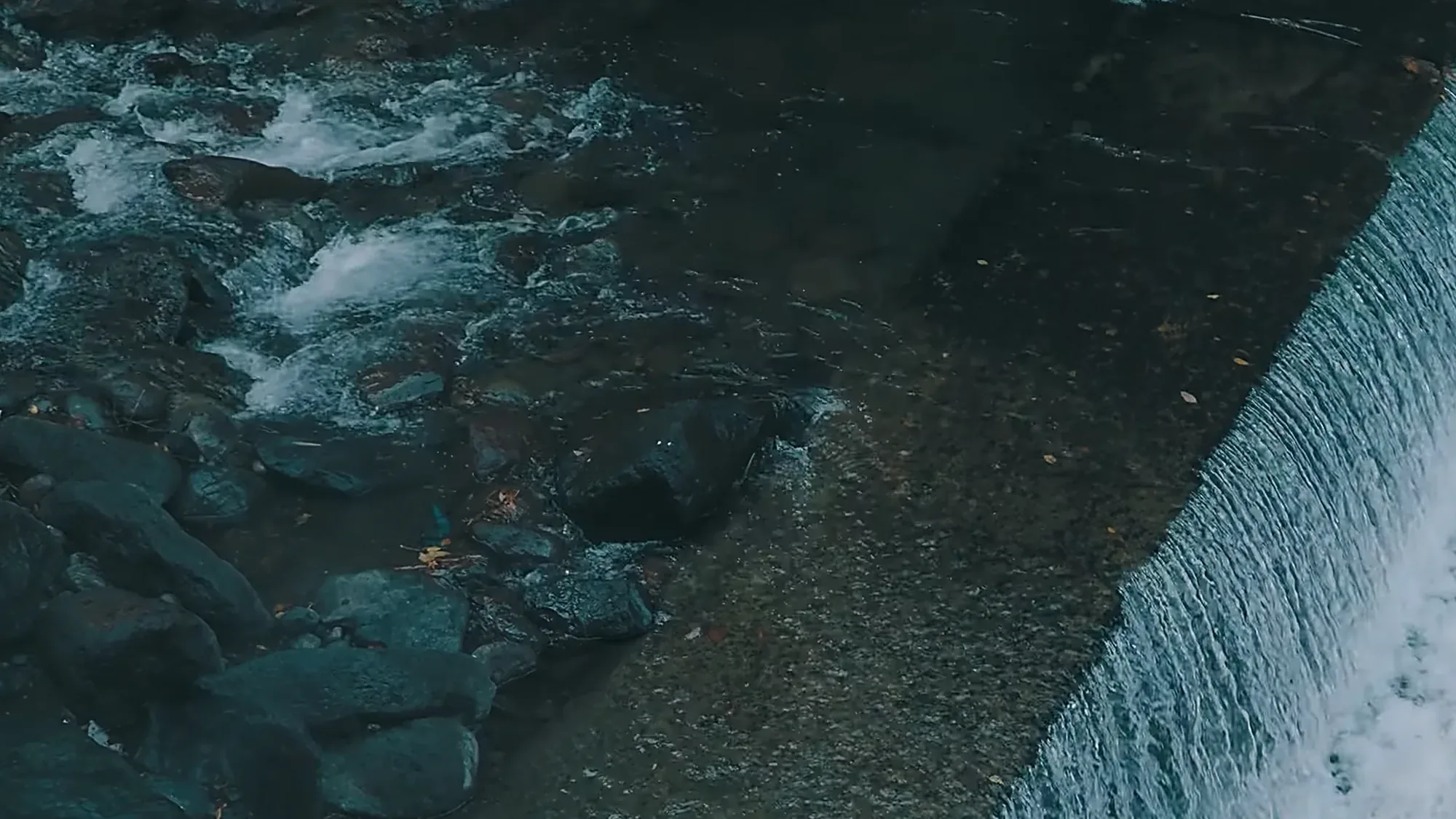
June rains hard. It also empties the village and halves the rates.
Its formats include genuinely weatherproof theatre, the cave foremost, and the connected indoor-outdoor passages that keep the undressing dry. Its lanes are short, its cafes close, its inns built for the long afternoon indoors, tea, tatami, a second bath, in a way no sightseeing town can match; rain that would sink a temple-circuit day in Kyoto barely dents a bathing day here.
And the season's compensations are real: the river full, the greens saturated to their deepest register, the stone lanes glossed and photogenic, the crowds at their thinnest, the rooms at their easiest, and the Kasa Andon lanterns opening June 1 to give the wet evenings their glow. The honest caveats are two: mountain rain can turn heavy enough to pause the outdoor circuit entirely for a day, and the earthquake-era bus schedules deserve their check in any season. But the standing advice, skip the rainy season, was written for destinations that dissolve in water. This one is made of it.
Summer (June to September): highland cool and a second illumination
Hot springs in August sound absurd until altitude enters the calculation. Midday is warm enough that a 42°C (108°F) soak takes commitment, so the working pattern inverts toward the day's edges: serious bathing at dawn and after dinner, and the midday hours given to shade, soft cream, and excursions into the Aso caldera at its greenest. Evenings genuinely cool at 700 m, and the night rotenburo under cicadas is summer's version of the winter steam scene.
Two seasonal bonuses reward the early-summer visitor especially. Fireflies work the darker river margins on humid, windless nights from June into early July. And Kasa Andon, the village's summer illumination, runs from June 1 to September 30, pairing 旅傘 (travel parasols) with 鞠灯籠 ball lanterns along the lanes — the warm-season answer to Yuakari that almost no English guide mentions, and, like the winter lights, kept to the village's natural-materials aesthetic. August lifts with school holidays and Obon, the season's one hard peak; July and September midweeks stay gentle.
Golden Week and Obon, decoded for this village
Twice a year the Japanese calendar itself becomes the crowd, and foreign visitors deserve the mechanics spelled out. Golden Week stacks several national holidays into late April and early May, and Obon, the ancestral summer festival, concentrates travel around mid-August; in both windows, the whole country moves at once, and a village with thirty small inns, capped bus seats and restricted parking absorbs the surge the only way it can, by selling out early and pricing firmly.
The planning consequences here are sharper than in cities, because the three ceilings the crowd section described have no elasticity: no overflow hotels, no extra bus, no verge to park on. Book months ahead or do not aim at these windows at all.
The counter-strategy, though, is unusually effective in Kurokawa precisely because the peaks are calendar-driven rather than weather-driven: the weeks immediately either side of both windows are ordinary weeks wearing peak-season scenery, the same early-May green a day after Golden Week empties, the same August highland evenings a week before Obon fills.
Travellers with flexible dates should treat the two Japanese peaks as exclusion zones with excellent suburbs, and travellers without flexibility should book the moment plans firm, bus and bed in the same sitting, and go anyway; a full Kurokawa is still, by the structural math above, a modest crowd by any resort's standard.
Autumn (September to November): the colour peak
Altitude sequences the autumn. September stays late-green and calm on the caldera, a fine month for crowd-averse bathers. October turns the high country first — the Kujū flanks, the Senomoto highlands, the Yamanami Highway's roadside theatre — making it the driver's month while the village itself stays mostly green below.
Early-to-mid November is the main event, when maples and mixed hardwood colour the gorge directly over the riverside rotenburo, the forests the 1980s revival replanted doing exactly what their planters intended. It is the year's most photographed daylight scene after winter steam, and its first two weekends are, with Yuakari Saturdays, the tightest bookings of Kurokawa's year: two to four months' lead, more for the famous houses. Late November strips fast toward winter's bare branches, a brief, underrated austerity window. The escape from the crush is honest and effective: the same trees midweek, at gentler rates.
One village, four trips: a year in miniature
To make the calendar concrete, run one imagined year through it. The January trip arrives on the early bus into hard blue cold, spends the afternoon moving between the cave's shelter and the tachiyu's depth, and ends on a bridge at 9\:40 pm, lanterns doubling in the black river, breath and steam indistinguishable.
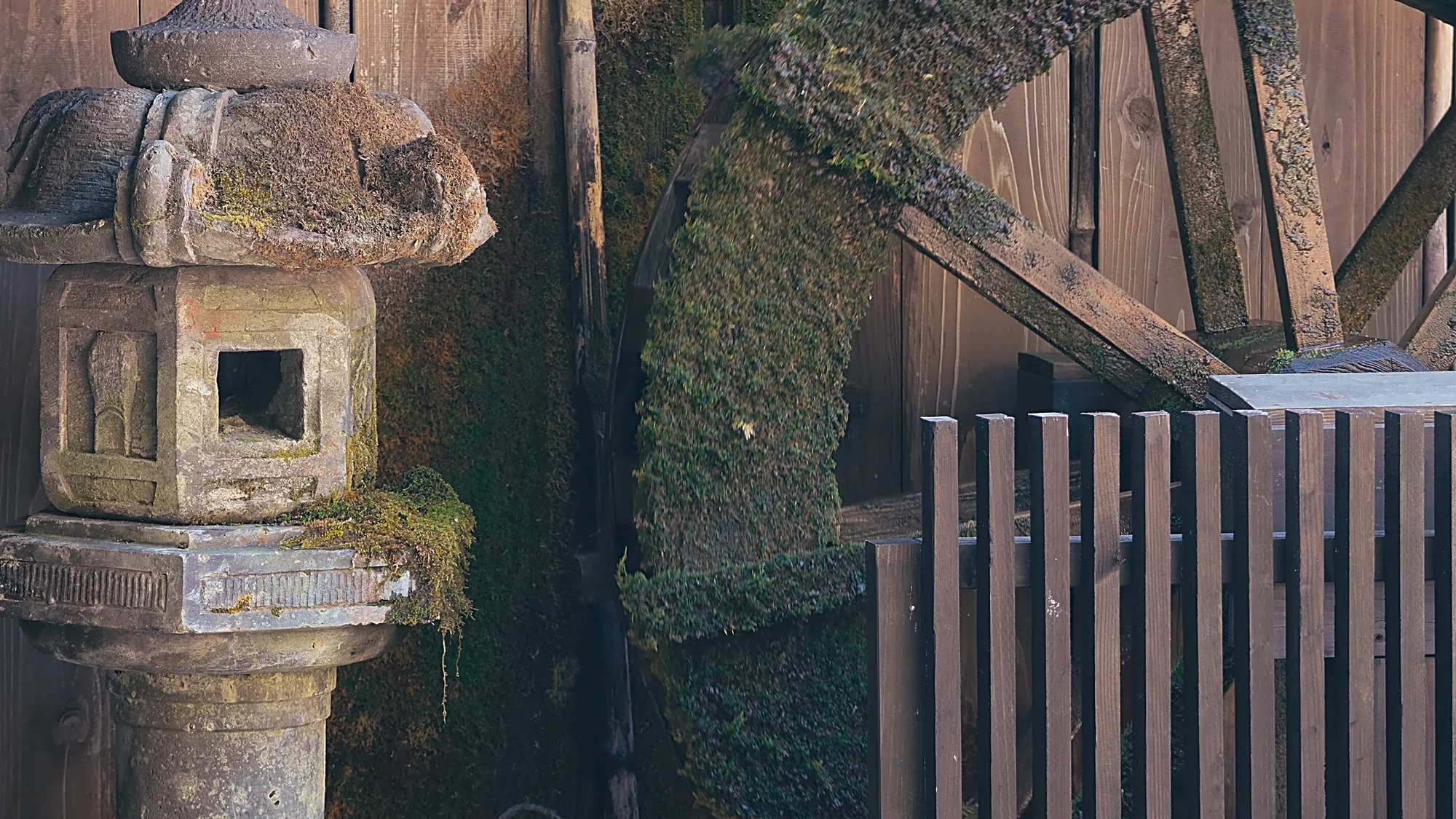
Four visits to one village read as four different places.
The May trip belongs to the riverside: meltwater loud under the Mori-no-yu path, new leaf overhead, rooms booked the week before at the famous house's entry rate, and the particular smugness of having the circuit nearly alone. The August trip runs on the summer clock, first stamp at 8:30 while the highland air still bites, the middle of the day surrendered to soft-serve and the grassland drive, parasols over the lanes at dusk and cicadas over the last bath.
The November trip is the fight and the reward: the room booked in July, the bus booked with it, daylight rationed like currency across the riverside pools, the gorge burning overhead, and the first cold that makes the water feel earned. Four trips, one address, no repeated experience, which is the calendar's real conclusion.
The question this page answers is not which month is best; it is which of these four travellers you are this year, and the village will be there for the other three when their turns come.
The two illuminations, and why they matter
Most onsen towns have one seasonal draw after dark, if any. Kurokawa has two, both sourced to the association and both bound by the village's design code: Yuakari through the cold months (roughly December 20 to March 31) and Kasa Andon through the warm ones (June 1 to September 30).
Between them, the village is lit by hand for something close to two-thirds of the year, always in bamboo and lamplight rather than the LED spectacle a resort would reach for. If your trip is flexible, the illuminations are the tie-breaker: they make winter and early summer the two seasons with an evening act built in.
The events layer, beyond the two illuminations
The illuminations anchor the calendar, but the record carries a second layer of dated events worth planning against. The tegata's fortieth-anniversary programme spans July 1, 2026 to March 31, 2027, an association-published window whose instalments will surface on its site; any visit in that span should check for them. Nabegataki's spring illumination, the lit season at the walk-behind falls, is the excursion calendar's dated highlight, carried in our day-trips pages with its reservation caveats.
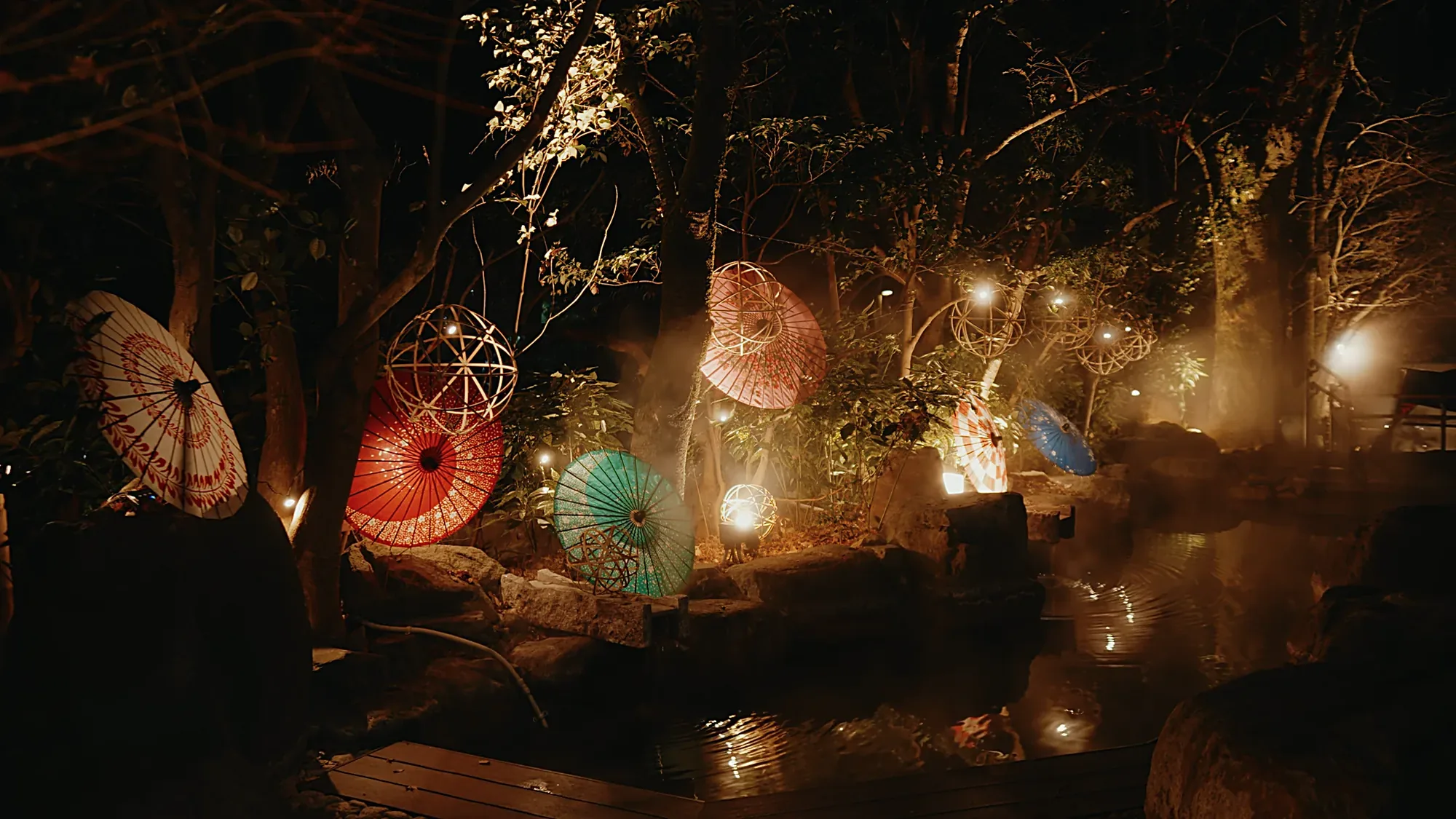
The small events are not advertised in English. Ask at the association office.
Autumn adds the cosmos garden, the valley hillside that blooms only in that season and stands bare the rest of the year, the record's own argument for not driving to it in June. Early summer carries the flagged firefly window, June into early July on the dark river margins, a visitor observation we still hold at arm's length pending an official source, but one consistent enough to shape a June evening around, with expectations set to modest.
And beneath the dated layer runs the weekly one: the cleaning rotations that close baths on their own schedules, the shops' fixed closing days, Wednesdays thick among them in the directory, and the inns' own seasonal closure days, which the earthquake era has made worth checking individually.
The master habit the events layer teaches is the one this site keeps repeating: the village publishes its own calendar, in Japanese, continuously, and the visitor who reads it the week before travel gets a trip the guidebooks cannot see.
Best time for the photograph you actually want
Photography has its own calendar here, narrower than the visitor's, because the village's single hard rule, no cameras in the baths, pushes every lens to the lanes, bridges and seasons. For steam, the year's prize shot, come in deep winter and shoot at dawn, when the river smokes hardest against the cold and the bridges are empty; the same physics performs, more gently, on any cold autumn morning.
For the lanterns, work inside the Yuakari window, at the blue hour just after lighting around 5:30 pm or the empty hour before the 10 pm close, with a fast lens or a small support you never plant on a narrow bridge, and leave the drone at home, since the association requires prior permission and an illumination of flames over a wooden village is where that rule lives.
For colour, the first half of November in daylight, riverside compositions with the gorge burning overhead, and midweek for working room. For green, May and June after rain, when the saturation does the grading for you. For the village's own palette, the carved signage and dark timber the design code enforces, overcast light in any season flatters it best.
And for the one sanctioned bath-adjacent shot, the finished tegata's portrait, any season serves; shoot it on cedar or stone, stamps up, where the disc was earned. The camera calendar's summary is the visitor calendar's inverted echo: the baths themselves are for memory, and everything around them, in the right month, is for the lens.
Choose by priority, not by month
If your dates are still open, decide what the trip is for and let that pick the season. For the bathing itself, any month works and winter works best, because the association's own disclosure explains the constant: the springs run hot enough that inns cool them with added water, so the baths hold bathing temperature in August and January alike, and only the air around your shoulders changes.
For photography, the two prizes are winter steam and November colour, and they cannot be had on one trip. For the evening scenes, aim inside one of the two illumination windows, December 20 to March 31 or June 1 to September 30, which together light the village for most of the year.
For budget and calm, May, June and September midweeks are the honest answer, with the same water, the same tegata and the same kaiseki at the year's gentlest prices. And for a first visit with no constraints at all, the order we would book: a January or February midweek, then early November midweek, then late June.
Which baths and inns suit which season
The calendar above says when; the record's venue facts say where, and matching them is the planning step most visitors skip. Winter's venues are the enclosed and connected formats: Shinmeikan's cave, weatherproof by construction; Yamamizuki's Masurao-to-rotenburo passage, which lets you enter outdoor water without an outdoor walk; Fumoto's chin-deep tachiyu, whose 1.5 m (4.9 ft) of immersion holds warmth against any wind; and, for the stay itself, the centre inns whose baths are a corridor from the room.
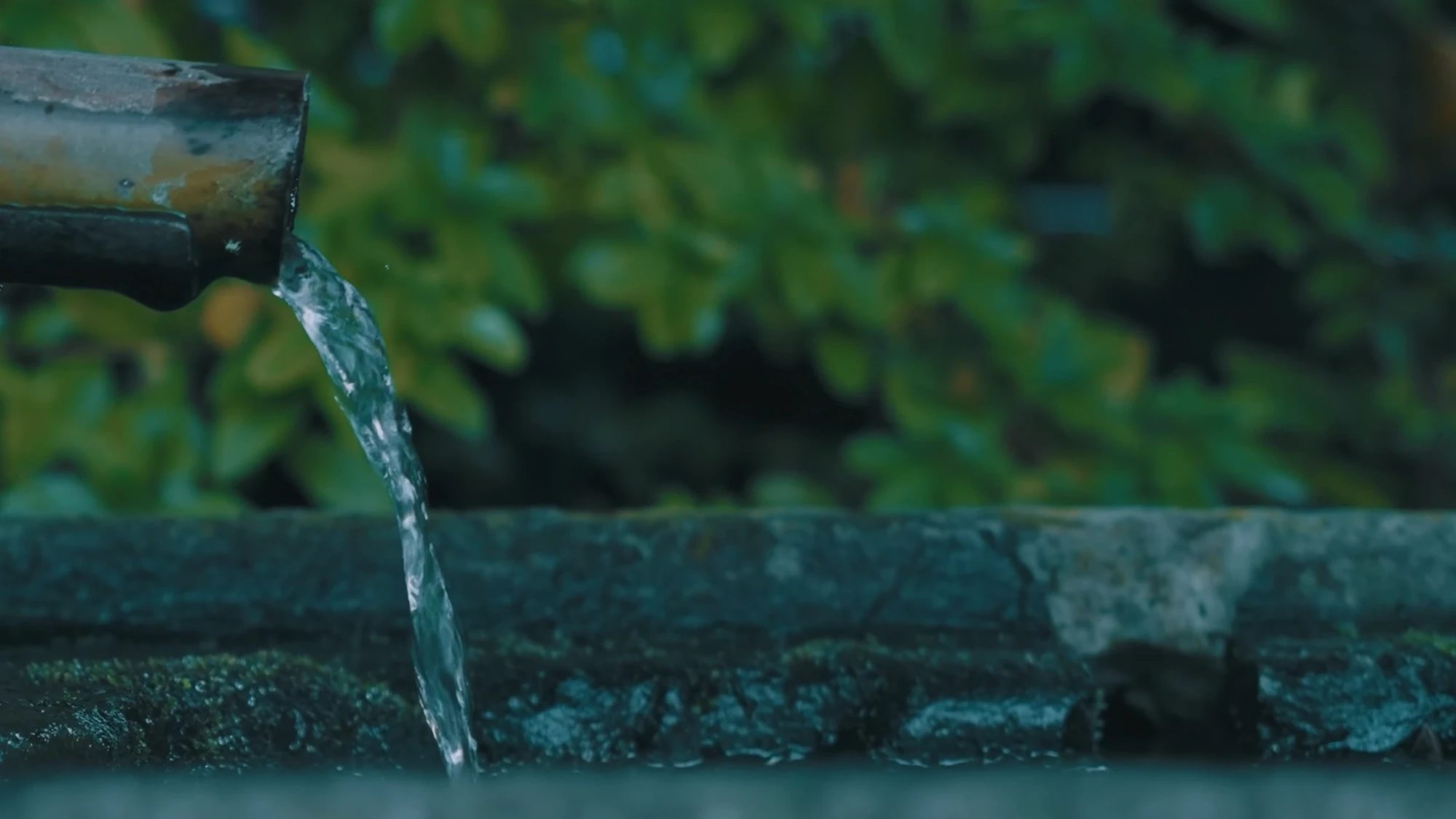
A bath that is perfect in February can be unbearable in August.
Spring belongs to the riverside: meltwater fills the Tanohara, and the pools that sit against it, Yamamizuki's pair above all, get the season's soundtrack at full volume, while the modest tier's easy spring bookings make it the season to try a famous house's entry rooms.
Summer redraws the map outward: the morning bell at the central baths, the shaded forest settings through the day, and, uniquely, the stay case for Senomoto Kogen Hotel, whose grassland setting and five-peaks horizon are at their best in exactly the months the valley floor runs warmest; the highland hotel is, by the record's own geography, the village's summer annexe.
Autumn concentrates value on two venue types: the riverside and gorge-side baths, where the record's replanted forests colour directly overhead, and the high-ground houses, Kiyashiki's over-the-village vantage foremost, whose view rooms spend two October and November weeks looking at the best thing the valley does all year.
And two venues ignore the calendar entirely, which is their own recommendation: the sento pair's coins-in-a-box bathing is identical in January and July, and Miyama Sanso's natural planetarium answers to the moon phase, not the season, so book it to a new moon in any month and the sky performs. Read the seasons as a rotation of venues rather than a change of weather, and the village stops having an off-season anywhere in it.
The booking calendar, plainly
In a village this small, when you can book is half of when you should go, and the tiers are stable. Hardest: New Year, November's first two foliage weekends, Yuakari-season Saturdays, Golden Week, and Obon. Middling: October, February and March weekends, summer Saturdays. Easiest: May and June, September, and nearly any midweek outside a holiday. Date flexibility beats budget flexibility here every time; the same modest inn that is impossible on a November Saturday is open on the following Tuesday.
Book the bus alongside the room — the Fukuoka highway service runs only a handful of daily departures — and, because the 2026 Kumamoto earthquake has reduced some regional bus services, re-check the association's live weather-and-traffic page before you commit to any date built around a specific arrival.
The best time to book is not the best time to go
One last calendar sits behind all the others, and confusing it with the travel calendar is the commonest planning failure this page sees. The best time to go to Kurokawa in November is November; the best time to book it is July or August, two to four months out, further for the famous houses and any in-room-bath category. The best time to experience Yuakari is a January midweek; the best time to secure its Saturdays is the preceding autumn.
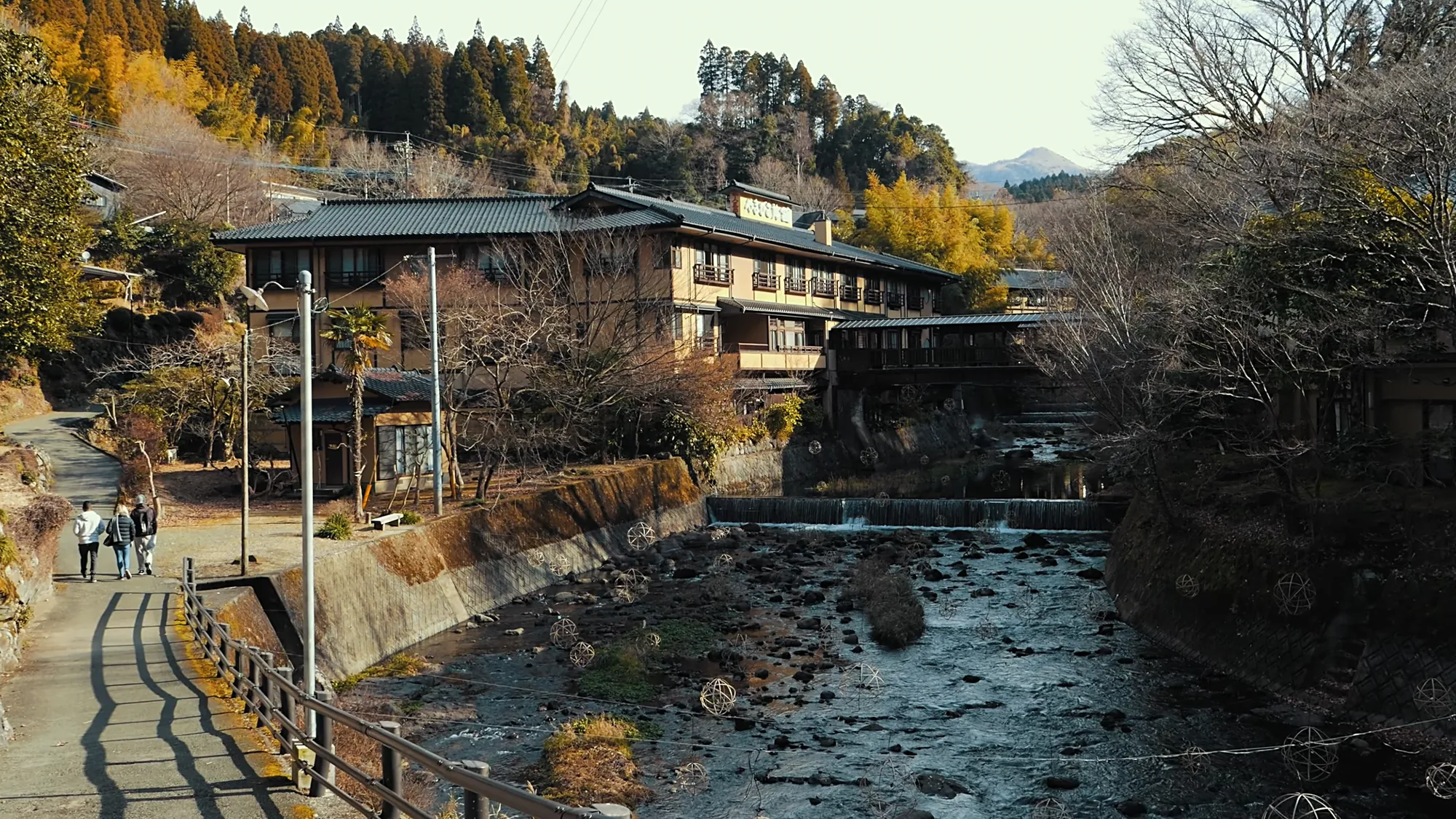
Book in the quiet month for the busy one. Everyone else does it backwards.
Golden Week and Obon book on the same long fuse. Meanwhile the green seasons run the opposite clock, May, June and September midweeks bookable on days of notice, which means the spontaneous traveller and the planner are not competing for the same village at all; they are visiting two different calendars that happen to share a postcode.
The operational rule that falls out: decide your month first from the seasons above, then immediately consult the booking lead that month demands, and let the two calendars, travel and booking, be planned as one motion. The bus belongs inside that motion too, reserved seats on a handful of departures being the same scarce commodity as the beds they deliver. Book both when you book either, and the calendar page's work is done.
Timing notes specific to 2026 and 2027
Two current items belong in any near-term plan. First, the tegata's fortieth-anniversary programme runs from July 1, 2026 to March 31, 2027, per the association, so visits inside that window coincide with whatever the village stages for the milestone; it is a reason to lean toward rather than away from the coming seasons.
Second, the 2026 Kumamoto earthquake has reduced some regional bus services, and the reductions have been revised in stages, so any itinerary built around a specific arrival or the Yufuin connection should be checked against the association's live weather-and-traffic page in the final week before travel, whatever the season. Neither item changes which months are best. Both change how firmly you should hold a booking made around a single bus.
Arrival timing matters as much as season
Whatever month you choose, aim to arrive by mid-afternoon. The association's own access matrix carries the warning inside it: some local bus routings end at the Minamioguni town hall, ten minutes by car short of the village, which is a solvable inconvenience at 3 pm and a genuine problem after dark in January.
The direct Fukuoka bus, timed by the association at 2 hours 45 minutes, makes a morning departure the natural choice; it lands you in the village with time for a first bath before check-in ends the day-visitor hours. Late arrivals should tell their inn the bus they are on, because inns meet the village bus stop by arrangement, and in winter that shuttle is the difference between a five-minute ride and an icy uphill walk with luggage.
The village rewards early arrivers twice over: the daylight bath circuit, and the moment at dusk when the day visitors leave and the place changes character, which is worth being present for in every season of the year.
The timing mistakes first-timers make
Five errors recur in Kurokawa trip reports, and every one of them is avoidable with the facts above. The first is planning by lowland forecast: cherry-blossom and foliage maps built on Kumamoto city or Fukuoka run a week or two ahead of this valley, so travellers arrive to bare branches in late March or green maples in late October and think the season failed them. It did not; they read the wrong altitude.
The second is saving the baths for late afternoon. The tegata window runs to 21:00 on paper, but inns begin turning their baths over to staying guests as evening approaches, so a day plan that banks on a 5 pm soak often meets a closed door. Bathe before mid-afternoon. The third is racing all three stamps against a bus timetable, which the six-month validity makes unnecessary; an unused stamp is a return ticket, not a loss.
The fourth is assuming the illumination dates are fixed law. The windows are announced each season, and while the pattern is stable, the exact opening and closing days move, so a trip built around the first or last night of Yuakari should be confirmed against the association's announcement rather than last year's dates. The fifth is booking the room before the bus.
The Fukuoka service runs a handful of reserved departures a day and sells out in peak season, so in November and the Yuakari weeks the bus seat, not the bed, is the scarce commodity. Book them together.
What to pack, by season
Winter wants real layers, a hat and gloves for the lantern walks between baths, and boots with tread for stone lanes that ice; drivers add winter tyres. Summer wants sun cover for midday and one light layer for the cool evening. Spring and autumn sit in between, but pack for genuine cold by mid-November, when the gorge starts rehearsing winter early. In every season the day-use baths supply little, so a small towel, soap and coins travel with you between stamps.
Tips
The single best Kurokawa: a winter overnight, midweek, during Yuakari (Dec 20 – Mar 31).
Foliage without the fight: the first half of November, Tuesday to Thursday.
Booking late? May, June or September will still have rooms; November Saturdays will not.
Summer visitors: bathe at dawn and after dark, tour the caldera midday, and catch Kasa Andon in the lanes.
Whatever the season, the village's best hours are 7–9 am and after 8 pm; plan nights, not days.
Frequently asked questions
What is the best month to visit Kurokawa Onsen?
When is autumn foliage in Kurokawa?
Is summer too hot for Kurokawa Onsen?
How far ahead should I book?

Verified by The Japan Onsen Society
Show all sources
Verified July 7 to 16 and September 6, 2026 by The Japan Onsen Society. Seasonal dates, the altitude and the temperature differential are the ryokan association's own figures; specific bus schedules and the current earthquake service reductions are perishable and must be re-checked on the association's live page before travel .
Altitude about 700 m · 3–5 °C cooler than the lowlands · cherry early April · gorge foliage late October to mid-November · Yuakari Dec 20 – Mar 31 · Kasa Andon Jun 1 – Sep 30 · 源泉かけ流し + 加水 → 黒川温泉観光旅館協同組合 FAQ kurokawaonsen.or.jp/faq/ → verified Sep 6, 2026
Live weather / traffic and the 2026 Kumamoto earthquake service reductions → 組合 kurokawaonsen.or.jp/weather_traffic/ → re-check at every publish → perishable
VERIFY:
Yuakari and Kasa Andon exact dates each season
Firefly window (June to early July) against local sources
Autumn kaiseki menu specifics (mushroom/game/new rice) — soften if unconfirmed
Snow-tyre requirement wording per road authority; winter bus reliability under the earthquake reductions
USD conversions n/a
黒川温泉観光旅館協同組合 よくある質問 (Kurokawa Onsen Ryokan Co-operative Association, official FAQ) - the 700 m altitude and 3–5°C differential, early-April cherries, late-October-to-mid-November foliage, the Yuakari window, and the source-water disclosure behind the every-season bathing claim, verified September 6, 2026
黒川温泉観光旅館協同組合 公式サイト (association home) - Yuakari December 20, 2025 to March 31, 2026; Kasa Andon June 1 to September 30, 2026; the tegata fortieth-anniversary programme July 1, 2026 to March 31, 2027, verified September 6, 2026
黒川温泉観光旅館協同組合 アクセス (access matrix) - the Fukuoka 2 hr 45 min timing and the town-hall bus-terminus warning, verified September 6, 2026
黒川温泉観光旅館協同組合 天気・交通情報 (live weather and traffic page) - earthquake-era service status; perishable, re-check before travel
日本温泉協会 温泉地詳細+国民保養温泉地 (Japan Spa Association, area record and designation profile) - the venue facts in the season matrix: the cave, tachiyu, riverside pairs, Kiyashiki's vantage, Senomoto's grassland setting, Miyama's night sky, the cosmos garden's autumn bloom, verified July 7 and September 6, 2026
山みず木 温泉 (Yamamizuki, spa page) - the connected indoor-to-rotenburo architecture in the winter venue set, verified August 18, 2026
黒川温泉観光旅館協同組合 お店一覧 (shop directory) - the closing-day pattern in the events layer, verified September 6, 2026
Related guides
When to Visit
Winter
The baths were built for cold air. Winter supplies it, adds the lanterns, and thins the day crowds.
When to Visit
Spring
Kurokawa off-duty: the baths still hot, the lanes empty on a Saturday, and rooms bookable in weeks rather than months.

When to Visit
Kurokawa Onsen: The Complete Guide
A wooden pass buys three baths from twenty-five. The innkeepers agreed, decades ago, to look like this.